
Rare crocodiles on the brink of extinction will be raised at North Carolina aquarium
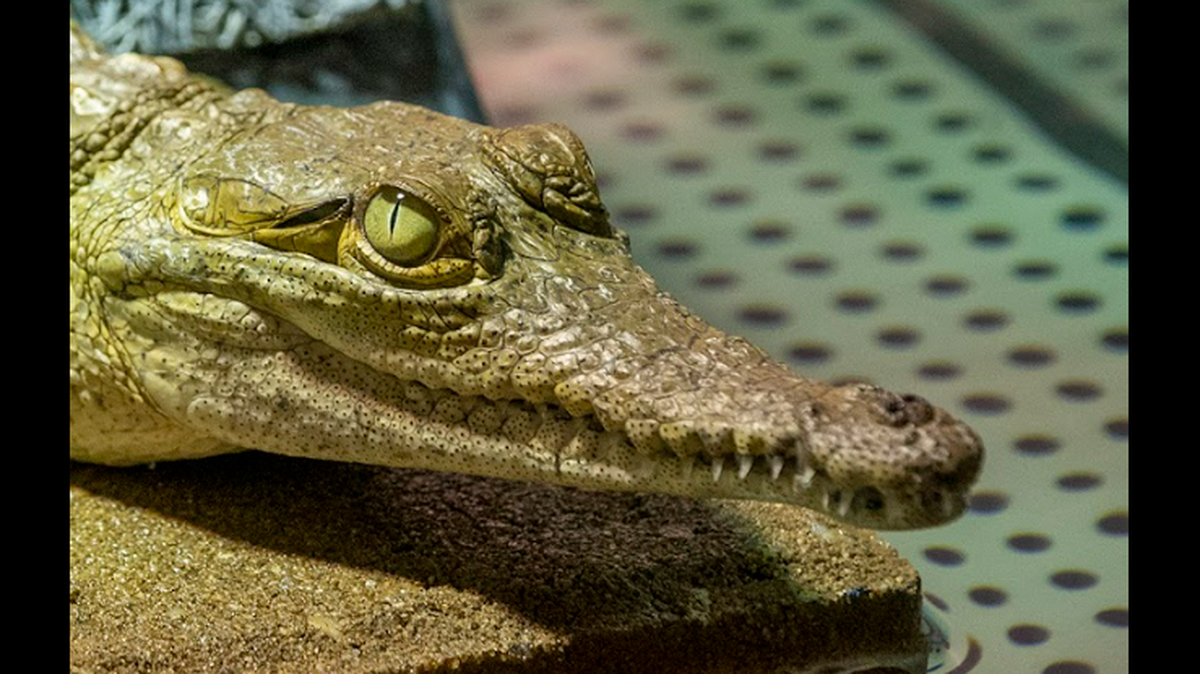
Crocodiles are not native to North Carolina, but two extremely rare Orinoco crocodiles are now living on one of the state’s barrier islands.
The pair made their public debut July 1 at the North Carolina Aquarium at Pine Knoll Shores as part of an international effort designed to keep the species from becoming extinct.
Orinoco crocodiles — the largest species of crocodile in the Western Hemisphere — number only about 1,700 in remote parts of Colombia and Venezuela, experts say.
That’s down from an estimated 3 million in the early 1970s.
If all goes as expected, the two crocodiles will stay at the aquarium two years, allowing them to grow large enough to outsize natural predators in the wild.
The initiative is called Project Return to the Llanos, and it makes the aquarium one of only about eight accredited zoos and aquariums known to host Orinoco crocodiles, including Gladys Porter Zoo, Zoo Miami of Florida and The Dallas World Aquarium.
Aquarium Director Liz Baird says North Carolina is a fitting place to host the project, given the state’s American alligators rebounded after also being threatened with extinction.
“This program presented us with a unique opportunity to help save a critically endangered species,” Baird said in a news release.
“While we tend to focus on North Carolina animals, we know that it takes all of us working together to help protect the diversity of animals found around the world.”
The pair arrived in mid-May but were kept behind the scenes until a specially designed habitat, including higher walls, was completed.
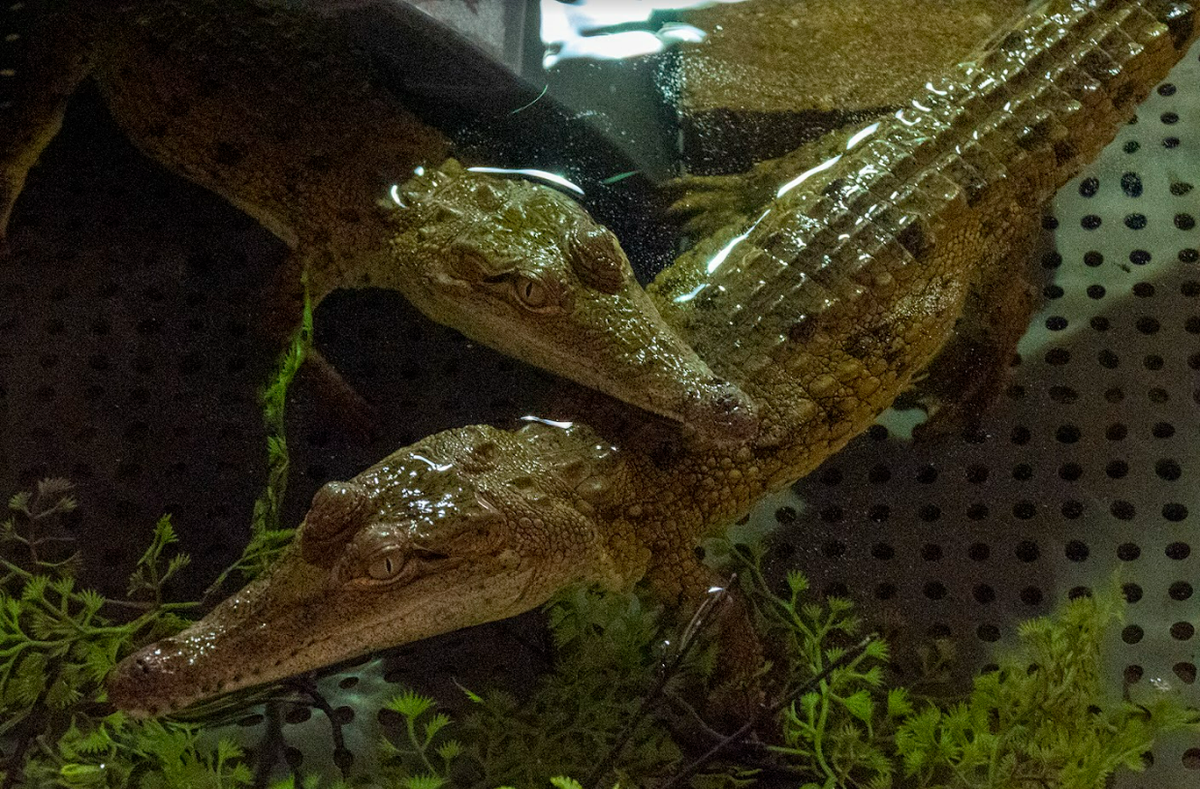
What visitors will see are two juveniles that are still intimidating, with yellow-gold eyes, matching yellow-gold scales and long, toothy snouts.
They are about 2 feet long and will need to grow at least another foot before being sent to South America for release in a national park along the Capanaparo River, a tributary of the Orinoco River. It flows through Venezuela and Colombia.
In the wild, Orinoco crocodiles have been known to exceed 22 feet, but the maximum length of males is closer to 16 feet these days, according to The Dallas World Aquarium. They live up to 80 years.
Project Return to the Llanos is based on the belief that juveniles have a better shot at survival if they are at least 3 feet long. It dates to 2003, when The Dallas World Aquarium began producing Orinoco crocodiles “through breeding and artificial incubation.”
“The greatest challenge is not producing offspring, it’s rearing enough hatchlings to a size that can successfully replenish wild populations. Due to limitations of space and staff, few facilities would be able to raise enough on their own to make a difference,” according to Fred Boyce, herpetologist for the North Carolina Aquarium at Pine Knoll Shores.
“Raising enough hatchlings to be released into the wild becomes an all-hands-on-deck situation requiring active participation from many accredited zoological facilities and aquariums.”
The crocodiles will live in an enclosure that has 5-foot tall barrier walls, and they’ll share the space with live prey — mostly fish — that will be guzzled in front of patrons. This is so the reptiles can be prepared to catch prey in the wild.
Boyce says Orinoco crocodiles are known to be intelligent, more agile than alligators and better climbers. Hence, the walls of an existing alligator enclosure were heightened, he says.
“They have amazing, piercing eyes, and they really fix you with them — especially once you start feeding them,” he said.
“They definitely watch me as a source of food, but not as food.”
This story was originally published July 2, 2022 at 9:00 AM with the headline "Rare crocodiles on the brink of extinction will be raised at North Carolina aquarium."