UNC to require COVID-19 tests this spring as in-person classes and campus dorms re-open
UNC-Chapel Hill students will be back on campus this spring with the option to take in-person classes and live in single dorm rooms, UNC announced in a campus-wide email Friday afternoon.
UNC students faculty and staff also will be tested for COVID-19 upon returning to campus and must participate in regular coronavirus testing throughout the spring semester.
The university previously decided to delay the start of the spring semester and eliminate the traditional spring break.
“Our decisions on in-person and remote courses for the spring are fundamentally linked with our choices regarding on-campus residency and testing,” Chancellor Kevin Guskiewicz and Provost Bob Blouin said in the letter.
In-person classes
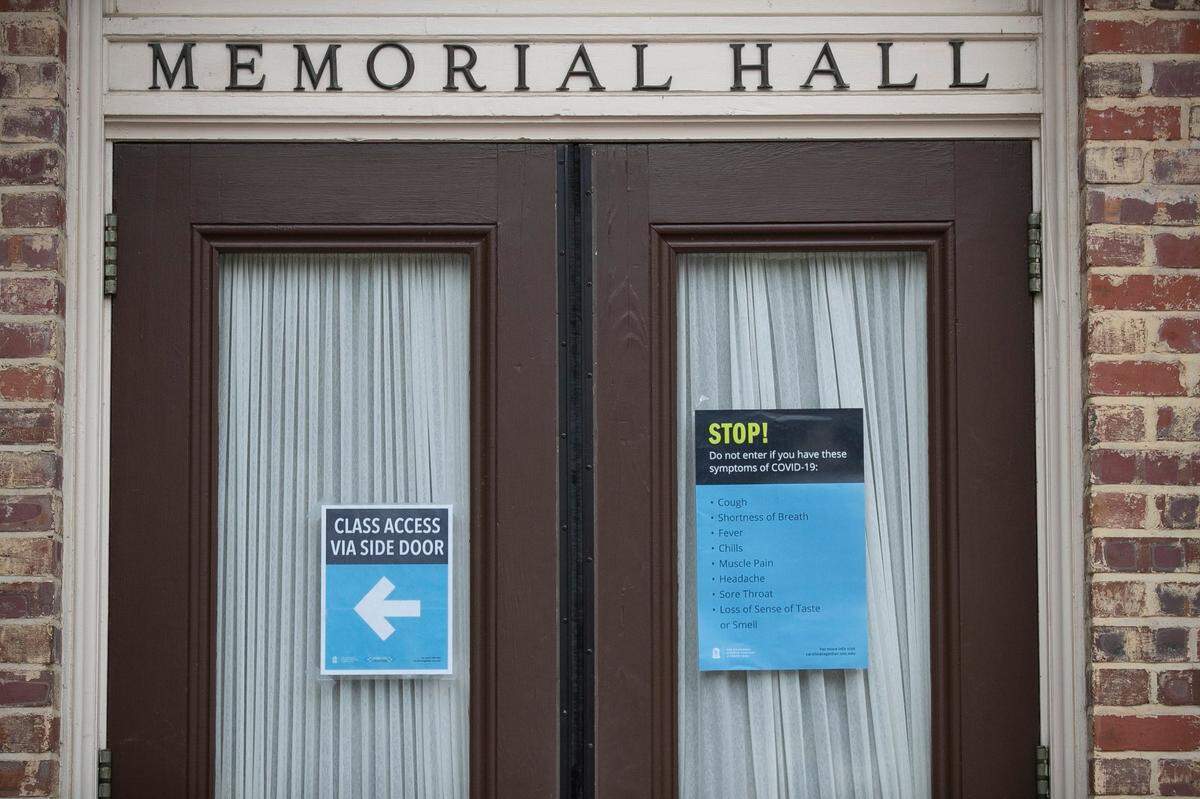
UNC will offer a combination of in-person and online classes with synchronous and asynchronous learning. That means some courses will be taught at a specific time where every student attends virtually (synchronous) and others will use pre-recorded lectures with assignments posted and turned in online (asynchronous). The deans will work with faculty to determine which courses should be offered in-person.
The majority of classes with 35 or more students will be remote, but some courses with up to 50 students may be offered in-person. Classes designed for first-year students, senior seminars and capstones, and those that require hands-on instruction, will get priority for the in-person options.
Faculty are expected to prepare for both in-person and remote courses.
The instruction modes for each class will be available for students on ConnectCarolina at the beginning of November. Students can start registering for classes on Dec. 10 and through Jan. 25.
Campus housing
About 1,500 students have been living and taking classes on campus after the campus pivoted to mostly online classes and closed dorms. UNC made its decisions for on-campus housing this spring based on that experience.
For the spring semester, dorms will be open for students at a reduced capacity with only single rooms. The university also will add more quarantine and isolation spaces to provide “appropriate care and support resources in those locations, in compliance with public health guidelines.”
UNC expects about 3,500 students to live in residence halls and in Granville Towers, which is about 2,000 more students than the current residential population.
Carolina Housing will send information about housing options to all current residents and those who previously held housing contracts in the next week.
Mandatory COVID-19 testing
Mandatory and frequent COVID-19 testing has been a priority for students, faculty and staff for months, even before UNC re-opened this fall. It has remained an important element in spring planning.
The Campus and Community Advisory Committee, which was tasked with providing input on spring semester decisions, supports re-entry testing and surveillance testing for those living in Chapel Hill and returning to campus. The committee also recommended re-entry testing to be free and testing sites to have flexible hours.
UNC students, faculty and staff will be required to participate in re-entry and regular COVID-19 evaluation testing for the spring semester.
The university is currently doing prospective evaluation testing for students at the Carolina Union, which it says has been a success.
UNC is still evaluating options for frequency, administration and processing of the tests, according to the letter. More details will come in the weeks ahead, it said.
Further changes
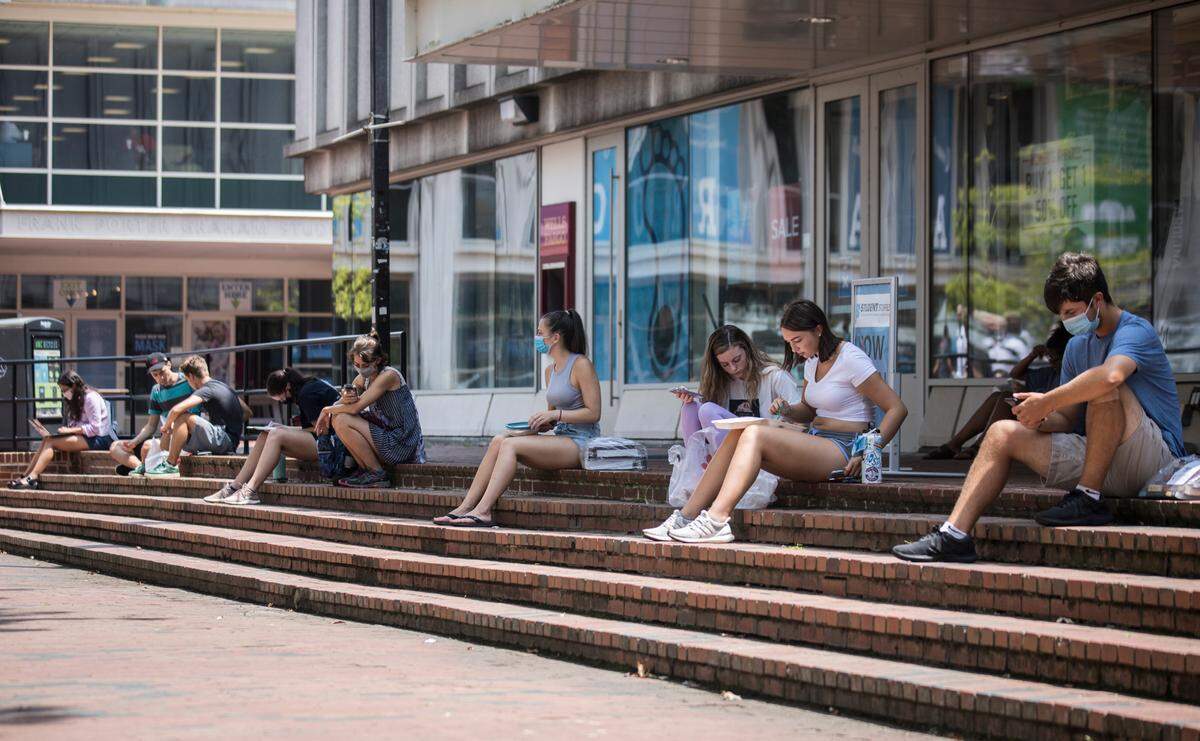
“The upcoming spring semester will continue to be a different experience for the Carolina community,” the letter said. “But we have learned important lessons from our experiences and those of our peer universities.”
Guskiewicz set up multiple committees of students, employees and community members and groups of public health and medical experts to weigh in on the decisions for the spring. The university also used student surveys and has been consulting with local and state health officials, as well as the UNC System.
“Through that feedback, we know it will be important to continue to provide flexibility and options to ensure a quality Carolina experience,” the letter said.
The university could change its plans as the coronavirus continues to spread, particularly as flu season is underway. There are still more decisions to be made and groups like the Campus and Community Advisory Committee will continue to meet to discuss spring plans and offer insight.
“We understand the stress this uncertainty creates,” the letter said, “and will communicate with our University community and neighbors as frequently as needed to ensure we have a successful end to this semester, and a safe and effective start to the next.”
This story was originally published October 23, 2020 at 2:37 PM with the headline "UNC to require COVID-19 tests this spring as in-person classes and campus dorms re-open."