More employees see cuts as NC universities face sharp financial losses due to COVID-19
The economic impact of COVID-19 continued to hit local universities Thursday, as N.C. State announced new employee furloughs and salary cuts. And in Chapel Hill, UNC administrators warned campus trustees about similar personnel actions in response to revenue losses of up to $300 million this fiscal year.
“Every university around the country is facing revenue losses, in some cases historic revenue losses and so Carolina is no different,” UNC-CH Chancellor Kevin Guskiewicz said at a media briefing Thursday.
With hundreds of millions of dollars at stake, UNC is working to find solutions that will help lessen the financial blow. UNC has furloughed some employees in those auxiliary departments, and the university has also been trying to save money by limiting new hires, restricting non-personnel spending like events and travel.
“The number itself sounds somewhat dramatic,” Guskiewicz said, “but hopefully if we can continue to keep measures in place, it won’t be as bad as what we’re projecting.”

Furloughs and salary cuts at N.C. State
N.C State leaders said the temporary furloughs and salary cuts were a result of a “sharp reduction in revenue” this fall, including in university housing, campus dining facilities, transportation and the McKimmon Center for Extension and Continuing Education. The goods and services that those units offer are typically used and paid for by students, faculty, staff and visitors on campus.
But those funds dropped as COVID-19 spread on campus and in the local community, and N.C. State shifted to online learning and closed dorms this fall. So far this semester, revenue is down $75.4 million, a 61% drop, for the affected departments, according to the university.
The personnel actions were necessary despite those departments cutting expenses by consolidating services, reducing hours, closing facilities, freezing hiring and travel, renegotiating service contracts and transitioning to online services. The university is not allowed to use tuition or state appropriations to cover those revenue shortfalls.
N.C. State athletics also announced salary cuts or furloughs for every coach and staff member throughout the department Thursday, effective Oct. 24 through June 30. UNC-Chapel Hill coaches and staff will also be taking pay cuts or going on furlough starting Oct. 1 because of expected revenue losses for the 2020-21 season.
NCSU said its research enterprise is performing well and enrollment and state funding are stable, which will help limit further personnel action. The university also said it plans to offer in-person classes and reopen dorms in the spring, which would bring in more revenue.
“We are confident that the actions we take within our auxiliary units, combined with the resources we have, will sustain the university’s operations for the remainder of fiscal 2021 — assuming no change in state-appropriated support or expected funding from tuition and fees,” university leaders said in a letter to the campus community.
ECU sees more furloughs
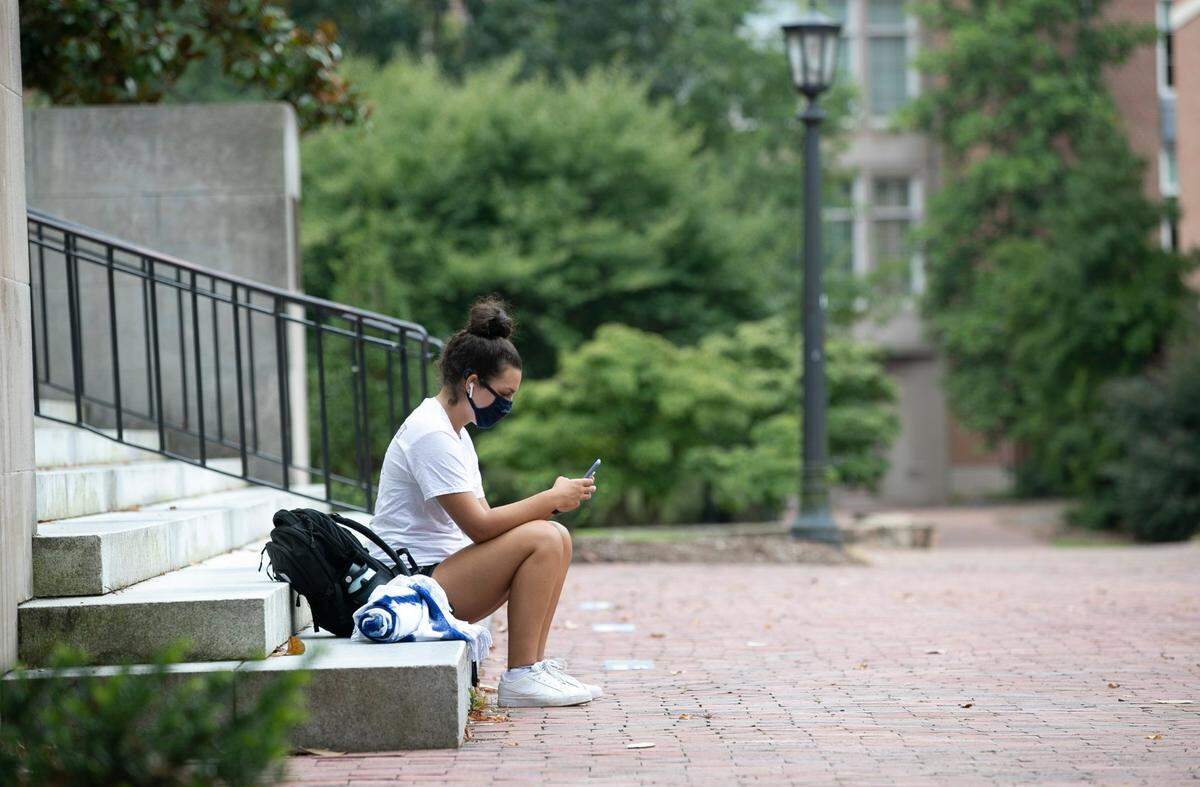
The pandemic is putting financial pressure on all universities but the problem is particularly acute at NCSU, UNC and East Carolina University, where classes moved online and dorms and other campus facilities closed.
ECU estimates more than $25 million in decreased revenue this fall, as the university has issued prorated refunds for housing, dining and parking and has had other revenue streams adversely affected, the university announced Friday afternoon.
The university said that 25 employees in Administration & Finance and Academic Affairs are being furloughed because of the financial impact of COVID-19 and more are coming. Some employees will be furloughed for a set number of days, while others will be on full furlough through June, according to ECU. The employees on partial furlough could have reduced schedules or leave without pay.
“Across campus, the reduced demand for employee services and such a large disruption to revenues has forced an institutional response,” Interim Chancellor Ron Mitchelson said.
“This is a hard decision,” he said. “No one likes this outcome; we’ve tried to reassign employees in affected units to vacancies in other university divisions when possible.”
Mitchelson said there may be additional furloughs announced in the coming weeks.
Earlier this summer, ECU furloughed more than 100 employees due to revenue losses from coronavirus pandemic. Appalachian State University, which did not close its doors or move all classes online, also furloughed more than 100 employees in the athletics department.
UNC-Chapel Hill budget outlook
UNC has been taking steps to mitigate financial losses from COVID-19. The pandemic has “exacerbated” the university’s financial challenges, interim Vice Chancellor for Finance and Operations Nate Knuffman said at a board of trustees meeting Thursday.
Knuffman estimates UNC could lose $300 million this fiscal year when combining structural budget issues and the impact of COVID-19. That’s about 8% of UNC’s current revenues and is in line with what peer universities are seeing, he said.
That $300 million includes hits already taken in housing, dining, parking and campus health, as well as impacts to athletics and patient care through UNC Health Care. The effects of COVID-19 really concentrated in patient services and sales and services, which combined make up about 30% of the university’s revenue.
“We’ll refine this as we continue to monitor and get more clarity on spring and state and federal revenue moving forward,” Knuffman said.
At the trustees meeting Thursday, Guskiewicz said the university has and will continue to restrict non-personnel spending and put a pause on filling vacant positions.
There have been furloughs and salary reductions in some auxiliary units, he said. All Carolina Housing student employees, including resident advisors, were told they would be laid off starting Oct. 30.
“We are committed to getting this right,” Guskiewicz said, “but we have a lot of work ahead of us with a lot of uncertainty out there.”
Some of those affected departments have returned back to normal operations and are recovering some of those losses. Others may continue to face losses this spring semester if students aren’t back living on campus and taking in-person classes, he said.
The university has not announced plans for the spring semester, but Guskiewicz said officials will likely be moving the start date to mid-January. Guskiewicz said their hope is that UNC will bring students back to live and learn on campus.
“We would scale this to provide an on-campus experience for as many students as we can safely accommodate,” Guskiewicz said. “That’s what we’ll be working toward.”
Having students, faculty and staff on campus is critical to UNC’s financial picture, particularly in departments such as housing, dining and athletics.
How could UNC employees be affected?
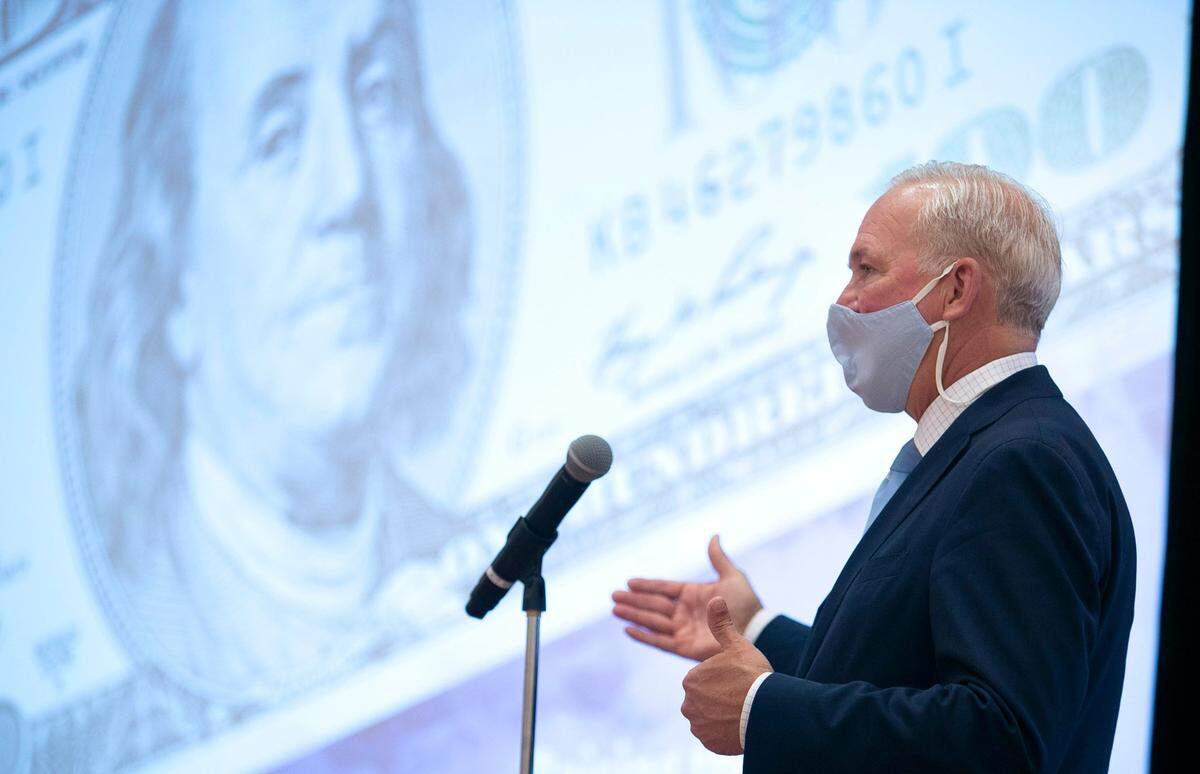
About 80% of UNC’s overall budget is represented by people, Becci Menghini, Vice Chancellor for Human Resources and Equal Opportunity and Compliance, said at Thursday’s meeting.
“We certainly need to and are putting all of the options on the table,” she said.
Menghini described the tools, like salary adjustments and furloughs, that UNC has to help with short-term, non-recurring problems like the pandemic.
Universities can use a COVID-19 temporary emergency furlough, which can last up to 12 months, for permanent full-time and part-time employees, but not temporary or student workers or faculty. Those furloughed employees can retain their benefits and accrue leave.
“This is really important as we think about the longevity of employees and the idea that we will ultimately get back to some sense of normalcy,” Menghini said.
Temporary salary cuts or furloughs for faculty require approval from the General Assembly. Menghini said that would likely only be triggered by a dramatic drop in enrollment and/or state appropriations decline.
If there are furloughs or layoffs, faculty and other employees will be given at least 30 days notice, she said. And when and if that time comes, employees with higher earnings will assume a larger share of the burden, she said.
“We know that if we have to take personnel actions we’re committed to finding ways to manage our losses in ways that prioritize people and recognize that there are people behind all of these jobs,” Menghini said.
This story was originally published September 24, 2020 at 3:54 PM with the headline "More employees see cuts as NC universities face sharp financial losses due to COVID-19."