
Tick-borne disease is soaring in NC. Here’s how to avoid getting bitten.
As pests go, ticks score bonus points on the fear chart for being bloodsuckers, tucking themselves behind ears or ducking under armpits.
But unlike most spiders and other crawlies in the woods, these eight-legged parasites pose real danger, even death in rare cases.
In 2013, 6-year-old Emilee Russell from Black Mountain died of Rocky Mountain spotted fever — the result of a tick bite.
North Carolina often leads the nation in Rocky Mountain spotted fever cases, with 674 reported in 2017 — a 5 percent increase over 2016, according to the N.C. Department of Health and Human Services.
But bites from ticks in North Carolina can also lead to ehrlichiosis, Lyme disease and STARI, which stands for Southern Tick-Associated Rash Illness. Lyme disease reports also ramped up to 363 in 2017, rising 10 percent, DHHS reports.

When it comes to this arachnid, knowledge is power. Knowing its habitat, performing tick checks and properly extracting the bloodsuckers is the best defense.
Here’s a tick primer.
Where ticks live
Ticks cover the entire Southeast, but the Piedmont’s most hostile variety is the Lone Star, a human-biter known for the white patch the female carries on her back. Deer ticks thrive closer to the coast. But ticks travel along with dogs, birds and humans, so territory is tricky to define.
Infection can spring from a single bite, and many victims can’t recall being bitten.
Campers and hikers know to watch for ticks in the woods, but they also keep to tall grass and heavy brush, making gardeners and lawn-mowers a target. Ticks jump aboard animals, so just spending time with Rover increases the chance for contact.
Source: CDC, Tick-Borne Infections Council of North Carolina Inc.
Avoid tick bites
For people interested in enjoying life, staying indoors, forgoing pets and wearing long pants isn’t practical. So the best prevention is:
▪ Using repellants, which should include an EPA registration number on the label to prove it has been tested.
▪ Performing a thorough tick check, especially these tender spots: under the arms, in and behind the ears, in hair, in the bellybutton, between the legs and behind knees.
▪ Tumble-dry clothing for 10 minutes.
Source: CDC, TIC-NC
If you’re bitten by a tick
The only way to remove a tick involves squeezing its head with a pair of tweezers, getting as close to the skin as possible. Pull the head slowly, flush the tick down the toilet, wash hands and disinfect the bite area.
Watch for symptoms over the next 30 days, including fevers, rashes, tiredness, headaches, nausea, vomiting and muscle aches.
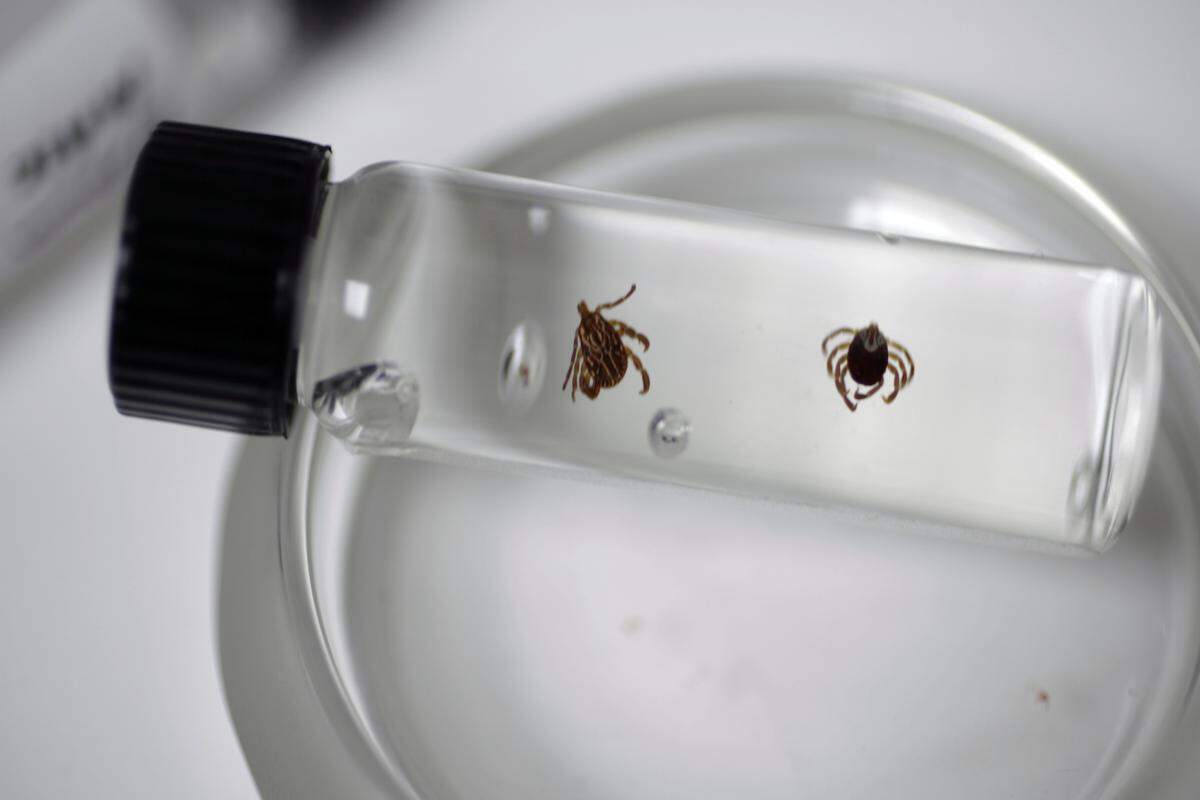
In some cases, bites from the Lone Star tick have been connected to red-meat allergies, known as alpha-gal and still poorly understood. In 2013, a Chapel Hill woman’s 6-year-old son began vomiting froth after a Lone Star tick bite, one of many alpha-gal cases to surface in the state.
Source: Wake County Human Services, The News & Observer
More on ticks
This story was originally published July 25, 2018 at 7:39 AM with the headline "Tick-borne disease is soaring in NC. Here’s how to avoid getting bitten.."