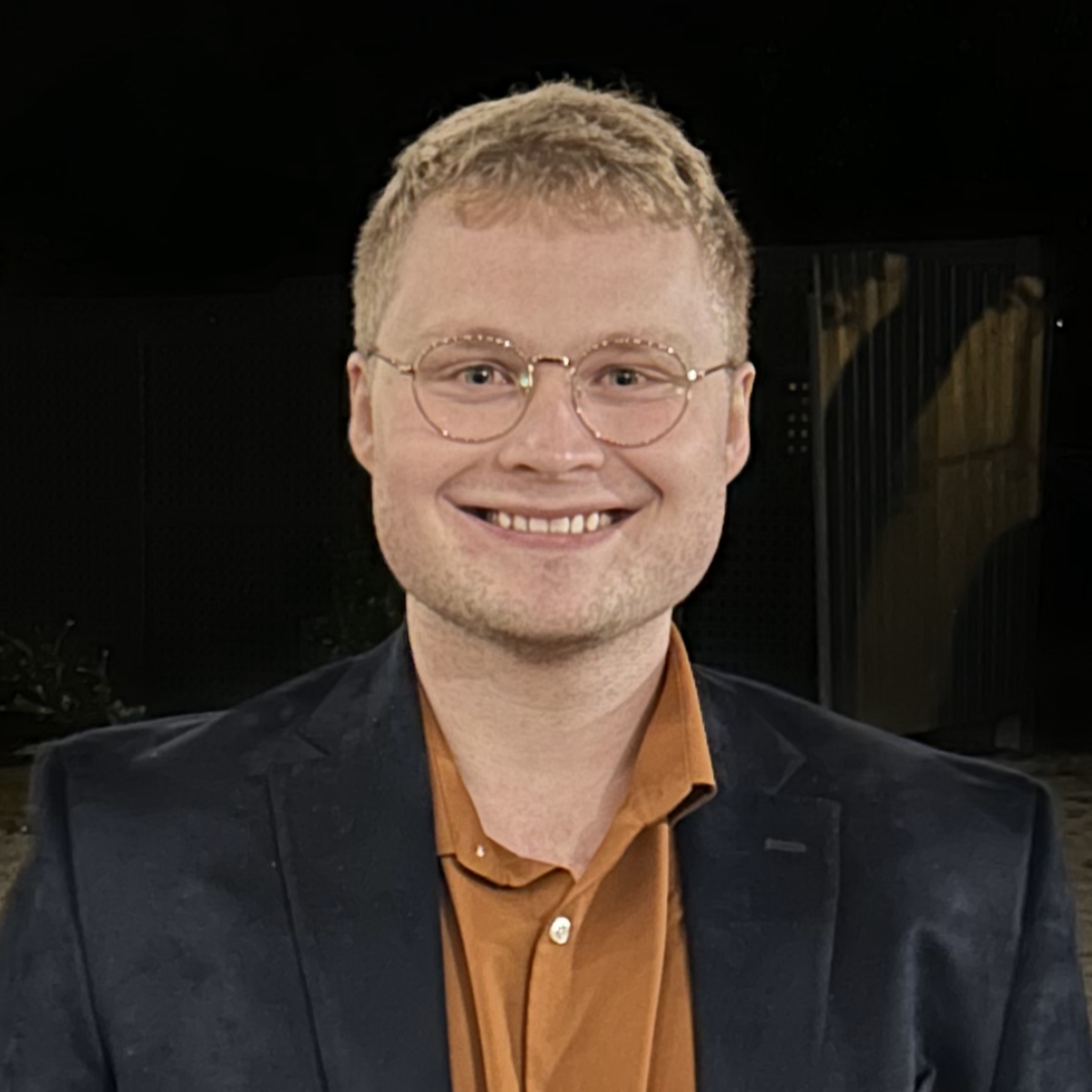
Beaufort County Council: “Growth-growth-growth” is biggest issue, candidate Tabernik says
Anna Maria Tabernik, a former math teacher and assistant schools superintendent, is the Republican candidate for Beaufort County Council in District 6 in the Nov. 8 election.
Tabernik, 70, who goes by the nickname “Tab,” has a bachelor’s degree inmMathematics and education from Case Western Reserve University, a master’s degree in administration/supervision from John Carroll University, and a Ph.D. in urban school administration from Cleveland State University.
This is her first time running for office. She beat Mike Covert in the June Republican primary.
The Island Packet sent questionnaires to all candidates in contested races. Candidates were asked to keep their responses to 150 words per question.
What will your expertise or past experience bring to the County Council?
My experiences in public education ranged from mathematics teacher to assistant superintendent of the 10th largest district in Ohio. I focused on listening to students, parents, teachers and the community. Open, honest communication with constituents improves transparency and garners trust in an organization. As a volunteer on several boards of directors, I have had opportunities to lead organizations, communicate with groups and be held accountable to do what is necessary.
Providing fiscal oversight is a skill I can fully utilize on County Council. I have participated in the creation of several strategic plans (Library Board, Sun City, Staying Connected). A strategic plan provides a focus for the organization to continue to move forward in service to the people. Working as the district coordinator of the AARP tax program has provided me with insight into the concerns of residents and needs of our community.
What’s the biggest issue facing Beaufort County?
Growth-Growth-Growth. I believe we must be strategic in our plans to embrace growth and meet the accompanying challenges while remaining vigilant about how we spend public funds. Benchmarking best practices, understanding why people want to live and work in the county, and offering incentives to businesses to locate here are important. Strategic Planning provides us with a roadmap to the future and must include community input.
Council needs to adopt specific criteria that will provide us with consistent and long-term action plans. Tracking progress and utilizing current data will help us achieve goals set out in the strategic plan. We need to plan to meet increased demands on infrastructure, county emergency services, schools, recreational facilities and transportation while looking to preserve critical lands. I believe in the collection of proportionate impact fees (through IGAs) to support these needs while planning for community growth.
Development and maintaining Beaufort County’s historic character sometimes collide. What is your position on development versus historic preservation?
We all either moved to the Lowcountry or remain in the Lowcountry for its beauty, wildlife, trees and flora. Our challenge is to maintain this ambiance while embracing development and welcoming new residents/new housing developments. Local governmental agencies in the region need to work together to understand the effects of development on our environment and support the needs of the people. Working with developers to include green spaces in their developments is critical. I believe we have a duty to preserve critical lands and the rich history of our area. We cannot allow development to swallow up marshlands, historic sites or historic communities.
Affordable housing is an issue throughout Beaufort County. What more should the council be doing, if anything, to address it?
Workforce affordable housing is not only a county issue, but a regional issue that affects our economy, quality of life and availability of a strong workforce. Law enforcement officers, first responders, nurses, teachers and many in the service industry simply cannot afford to live in Beaufort County.
I support the recently created Regional Housing Trust Fund that includes eight area governmental jurisdictions. This fund provides support for the production and preservation of affordable housing by creating new housing units or rehabilitating others. In this first year, the jurisdictions will commit $3.4 million to the fund, with Beaufort County contributing $1.2 million of their American Rescue Plan funds. This Trust Fund will help households at or below 120% of the area median income and focus on households at or below 60% of the area median income. This is a great first step that should lead the way to addressing this issue.
Do you support the direction the county is going with the 278 bridge project and the one bridge vs. two bridge debate?
I support the current plan for one six-lane bridge. I believe we must move forward. This project is essential to support safety, traffic flow, evacuation routes, and tourism. The bridges have structural deficiencies, are rated for a category 3 hurricane, and do not meet current earthquake guidelines. The county collected $80 million from the 2019 tax referendum, secured $120 million from the S.C. Infrastructure Bank, $65.5 million from SCDOT, and will use road impact fees and available federal funds. The estimated cost of the project is now about $328.5 million.
The recent MOU (Memorandum of Understanding) with HHI Council includes a provision for an end-to-end independent study which I support. Town and county employees will work to select an independent review firm to do this study. An environmental assessment will take place through state and federal agencies. The bottom line -- this needs to be done to demonstrate accountability to the citizens and reinforce our commitment to safety.
Many candidates have mentioned transparency as being important. If elected, how will you strive to be more transparent with the public?
I believe in transparency and have modeled it as a member of the Sun City HOA Board and on the Library Board of Trustees. Reaching out to share information with residents is extremely important to keep them informed and to dispel rumors. Being honest and upfront with the community about issues – good or bad – will lead to increased trust, clarity, and accountability. Council must comply with state law with the use of executive session where no votes may be taken (The SC Freedom of Information Act limits municipal executive sessions to four open meeting exceptions (Section 30-4-70). All other business should be conducted in the open, allowing residents to see their government in action. Information on county financials need to be freely and readily accessible to residents (county just created a new dashboard). The community will determine if Council improves transparency and accountability.