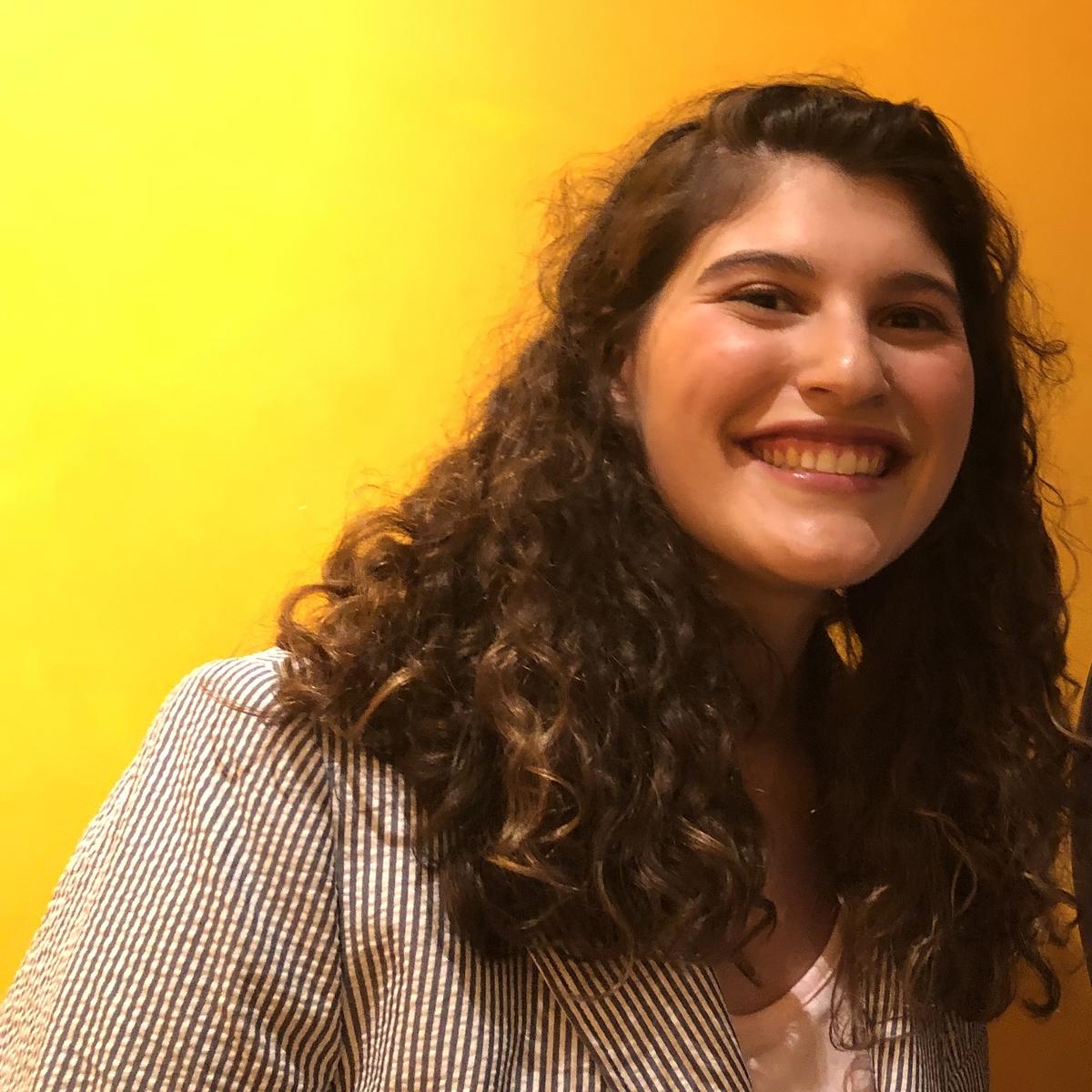
Hilton Head woman sues SC elections board over witness signature issue. What to know
The past month has been extremely stressful for Hilton Head Island resident JoAnn Shernoff. At the forefront of her mind is today’s election.
“I’ve been a wreck for weeks,” Shernoff said. “I’ll be so glad when it’s over.”
But Shernoff, a retiree and volunteer for Democratic U.S. Rep. Joe Cunningham’s reelection campaign, is in a uncomfortable situation. Her vote — and many others’ — might not count. She is suing because of it.
In an after-hours decision Oct. 5, the U.S. Supreme Court reversed a ruling by U.S. District Judge Michelle Childs of Columbia and required all mail-in absentee ballots received after Oct. 7 in South Carolina to have a witness signature. That same day, the Beaufort County Board of Voter Registration and Elections mailed Shernoff an absentee ballot, which she had requested in August.
Shernoff said she received the ballot about 4:30 p.m. Oct. 7, with notification that she did not need a witness signature but that that was subject to change. And at that point, she didn’t need the signature. The day was within the grace period set by the Supreme Court for voters to acclimate to the change.
“I just didn’t think it would change, I mean, right in the middle of the election,” Shernoff said.
By the time she received the ballot, the Hilton Head office of the Board of Voter Registration was already closed for the day. Busy preparing for a religious event the next day, she dropped it off at a post office Oct. 9 without a witness signature. The Board of Voter Registration received her ballot five days later, according to online records Shernoff shared with the Island Packet.
At that point, it was too late for her vote to count. She found out during a Zoom training with other Cunningham volunteers.
“During [the training], we were instructed to tell people on the phone to sign their witness slot on their ballot,” Shernoff said. “I interrupted the trainer, and I said, ‘No that’s been changed, you don’t need a witness signature … in fact, I’ve already sent my ballot in with no signature.’ She said, ‘No it’s been reversed again.’”
Attempts to get a new ballot were unsuccessful. So on Oct. 18, she, along with the Democratic Senatorial Campaign Committee, sued South Carolina Elections Commission officials in U.S. District Court, demanding that the court require the Elections Commission to notify voters of disqualifying deficiencies in their ballots and to give absentee voters with witness and voter signature problems an opportunity to fix them. The suit also accuses the commission of failing to provide voters with notice of their deficient ballots, saying that doing so “imposes an undue burden on the right to vote.”
But because of a related case in which a judge found that absentee ballots could not be rejected for signature match issues, Shernoff and the Democratic campaign committee’s motion for a preliminary injunction was denied.
Shernoff said she did not agree with how her case was folded into that one, which does not address witness signature issues. The cases were consolidated for a hearing Oct. 21, and the court denied her request for injunction six days later.
As of Oct. 21, in Beaufort County, 275 absentee ballots have been thrown out due to lack of a witness signature. More recent numbers were not available on Monday.
Now, Shernoff waits — for the election to be over, for the case to be resolved and, to her surprise, for notice on whether her vote might actually count in this election.
On Monday morning, she was approved to cast a provisional ballot, which will be considered by the Board of Voter Registration after the election.
She said she was glad to have that opportunity but concerned for the many voters who might not be aware of that option.
“How many things do you have to do to vote?” Shernoff said. “When you consider all the steps — apply for the application, get your [ballot], fill it out, take it somewhere, then go somewhere else. It was just a long, drawn-out process.”