Haven’t picked a hopeful in SC Democratic race for gov? Where they stand on issues
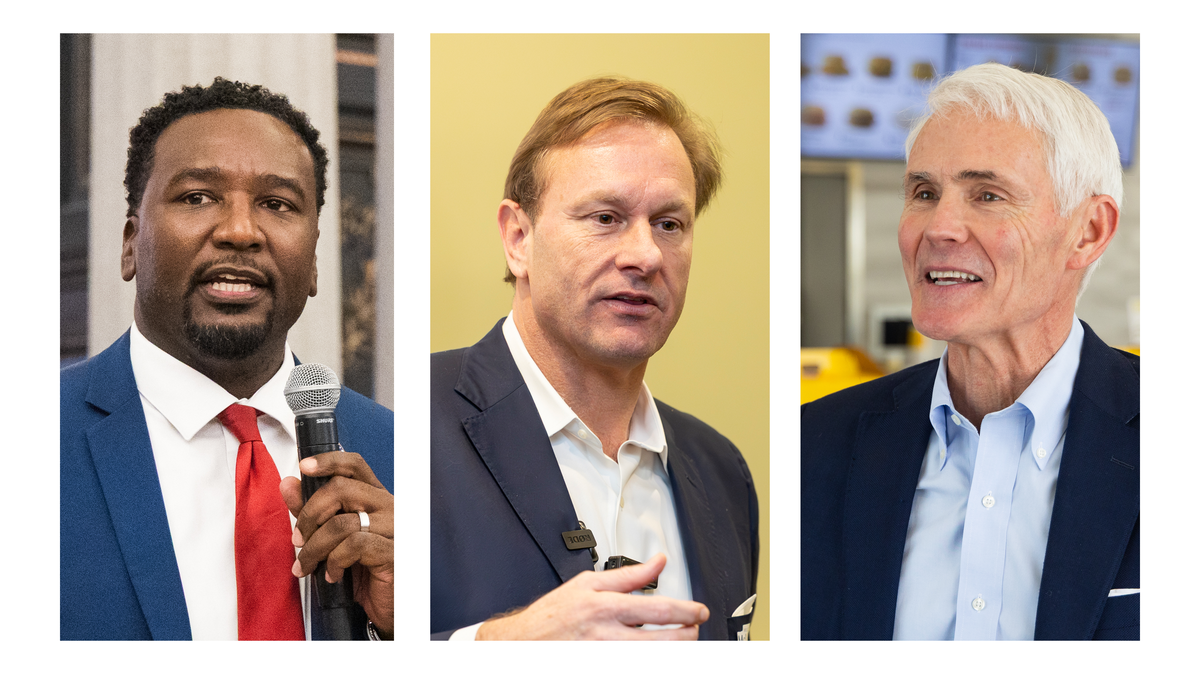
Tuesday is the primary election in statewide races including the race to be the next governor. Two of the Democratic hopefuls in the race started campaigning last year, and one was a late entry into the race.
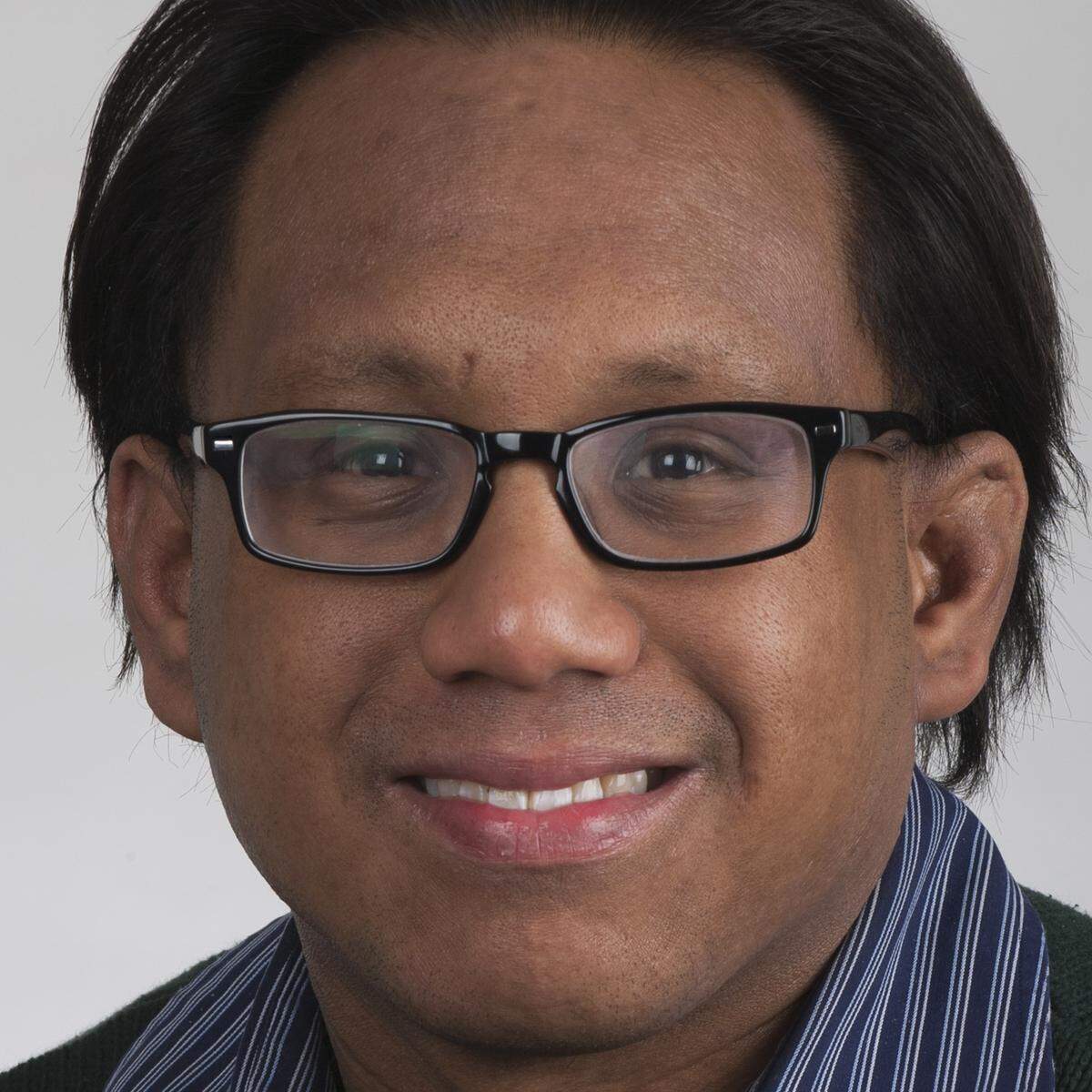
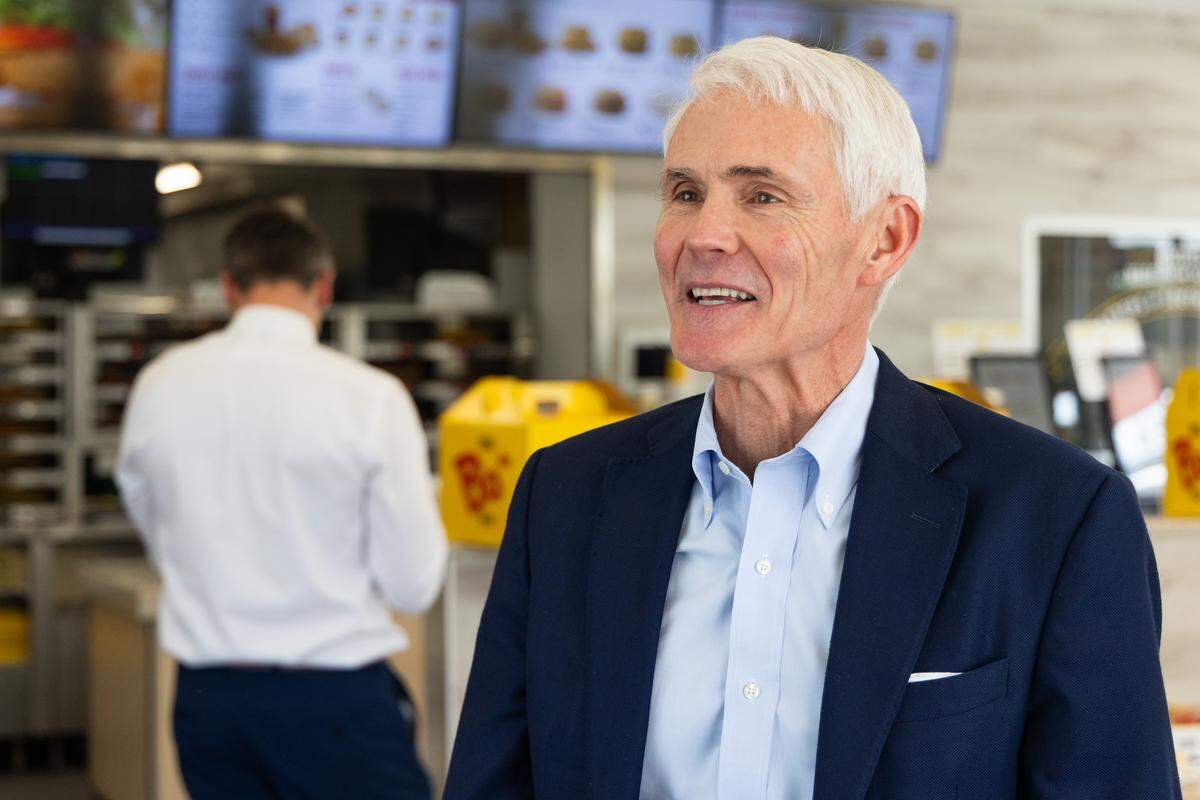
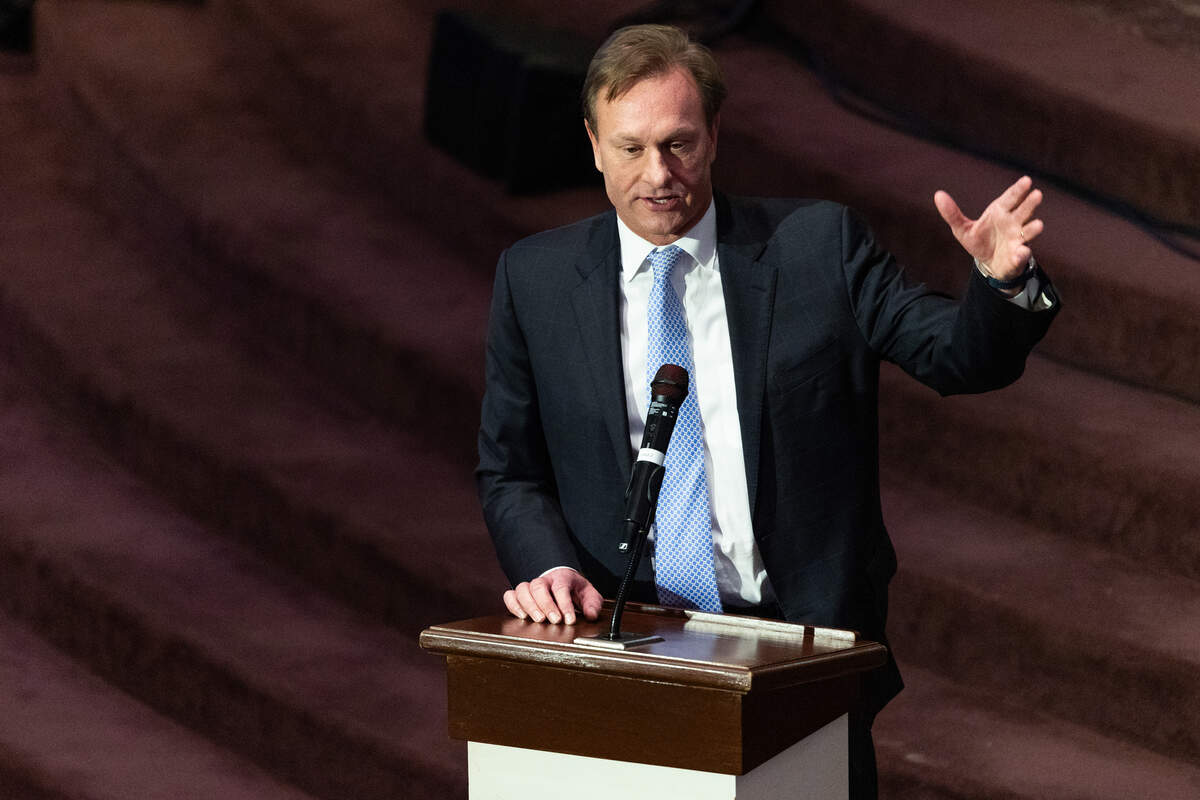
For those who haven’t cast their ballots yet in the primary and will head to the polls Tuesday, here is where state Rep. Jermaine Johnson, attorney Mullins McLeod and businessman Billy Webster stand on several issues as they seek the Democratic nomination for governor and what they’ve said on the campaign trail.
Data Centers
Johnson: Johnson introduced a resolution to have a moratorium on the construction of new data centers.
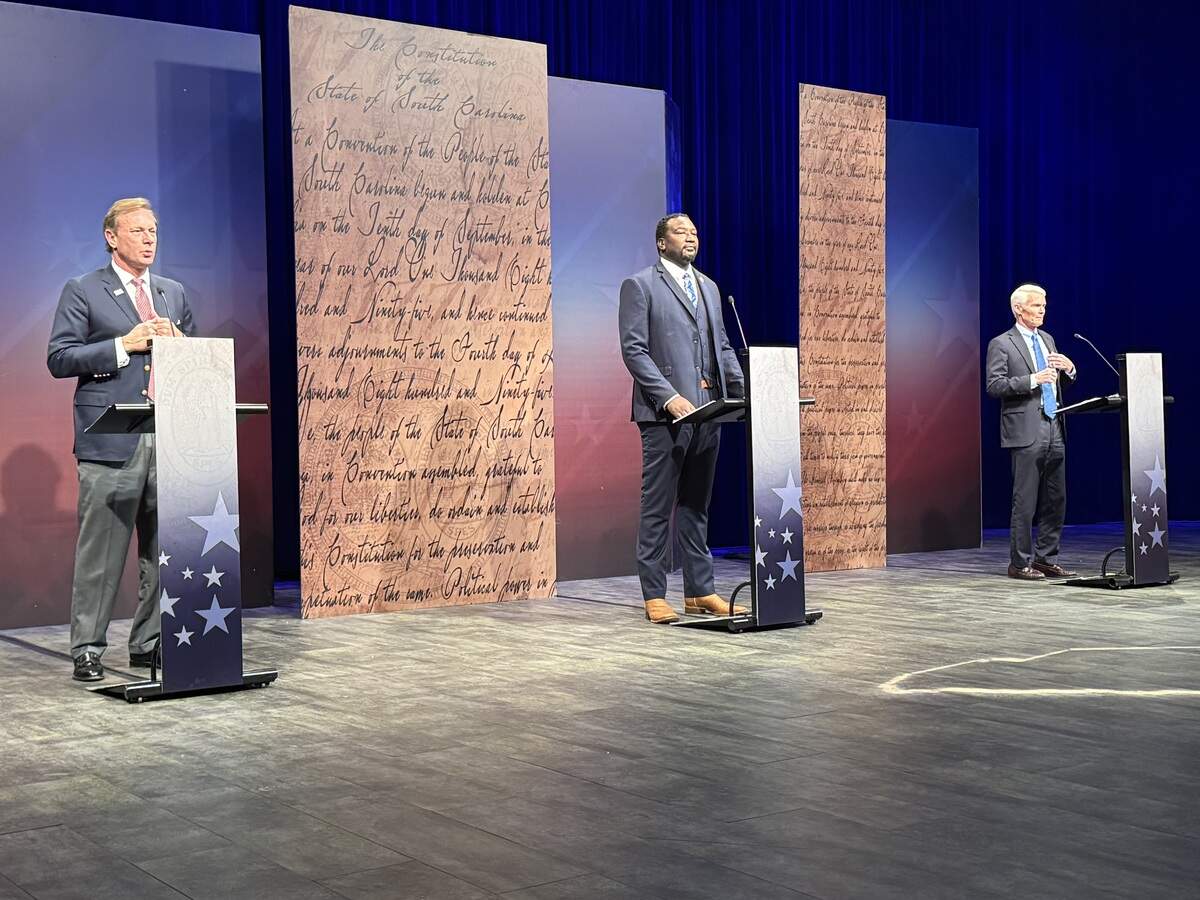
“We have to know about the technology, we have to know about where they’re going and how they’re going to be doing it,” Johnson said during a debate on SC ETV. “I’m the one who coined the phrase BYOE. You’re going to come to South Carolina, bring your own energy. You cannot come here and use up our resources. You cannot come up here and drive up our energy costs.”
McLeod: McLeod is against data centers.
“These data centers, they do not create jobs. All they do is rob our water and drive up the cost of our power.
Webster: Webster said he would support a one-year moratorium.
“We’re going to learn a lot more about data centers over time,” Webster said. “There are two problems here. One is the way these things occur, and there’s no transparency. The other is the effect, the effect that they have on our local communities, farms and environment.”
Medicaid expansion
Johnson: Johnson supports expansion of Medicaid.
“Sixty percent of the births in South Carolina are covered through Medicaid. If we expand Medicaid, at least 500,000 more South Carolinians will then have access to health care,” Johnson said.
McLeod: McLeod blamed political corruption for Medicaid not being expanded in South Carolina as it’s allowed under the Affordable Care Act.
“Here’s the thing: People have already paid for those Medicaid benefits on their federal return, but there’s some people in our state, the Republican Party thinks it’s good politics to prohibit those of us who are in need from receiving the benefits that have already been paid for. It is a classic case of political corruption,” McLeod said.
Webster: Webster said he believed expanding Medicaid will help bring health insurance premiums down.
“Medicaid expansion will do more for this state and the socioeconomic issues that we face than any other single policy choice, and it is up to the governor to initiate that process,” Webster said.
Eliminating the state Income tax
Johnson: Johnson said it may be impossible to eliminate the state income tax because it represents more than 40% of the state’s budget. He also lamented how the recent tax cut benefits wealthy people in the state.
“What they didn’t tell you is that there are 40% of South Carolinians who were already not paying income tax, they were getting it back in the form of a refund, they just took down those 40% who were not paying income tax took them up to 1.99% and they will not even realize that they will not get the refund back that they got last year until next year when they filed their tax returns,” Johnson said. “That is a problem. My plan calls for expanding that 40% to 70% of South Carolinians not paying income tax, and I know exactly how to get there.”
McLeod: McLeod said the tax burden could be reduced if lawmakers didn’t give incentives as part of economic development deals.
“If you look at how much the people pay into the system, for every dollar we, the people, pay in these large for-profits, like Volvo, pay a dime. If the people of South Carolina do not get what they bought and paid for, yet these for-profits get everything for free,” McLeod said. “I am for reducing the tax burden on the people and enforcing the laws on the books against these large for-profits, instead of giving them a free ride.”
Webster: Webster said eliminating the state income tax may not truly be feasible.
“We cannot eliminate the state income tax and even have a state that is recognizable in 10 years, the budget that’s being about to pass in the legislature right now will have about a $14.4 billion revenue top line. The state income tax is 45% of that. You pick something you like: childcare, health care, conservation, infrastructure. I don’t care what it is. There will be no money to pay for it.”
How to grow the state smartly?
Johnson: Johnson said more people have to be involved in the decision-making process when it comes to addressing infrastructure.
“The problem that we have in South Carolina is only five companies control all the construction of all of our infrastructure here in South Carolina,” Johnson said. “That is a problem, we have to expand that. We have to bring people to the table and allow them to be a part of the solution. We don’t know everything, and that’s why we have to have citizens review committee people to do audits on DOT to see where our money is going, and how the infrastructure is being planned and developed. We should not be playing favorites here in South Carolina about which road gets paved and which bridge gets repaired.”
McLeod: McLeod placed blame on out-of-state companies for building more houses in the state that residents can’t afford, while having private equity firms buy up inventory.
“We can slow down that development by simply banning private equity firms … (from) purchasing single homes in South Carolina, because once the builders have skin in the game, and they don’t have that backstop, they’re not going to build inventory that our market will not sustain, that will slow down growth and improve congestion, and our quality of life.”
Webster: Webster said the state needs to have statewide plans that integrate infrastructure, conservation and development
“Development, conservation and infrastructure all go together. I will call for a blue ribbon panel as soon as I’m elected from leaders from each of those sectors, development, conservation, Department of Transportation, and other infrastructure entities, and we’re going to have to develop a plan for the future, so as South Carolina enters its next 20 years, we don’t have the issues that we have now,” Webster said.
Economic development incentives
Johnson: Johnson said he wants businesses to come to South Carolina, but not at the expense of the state.
“What we need to do is give those same tax breaks that we want to give to big businesses, we need to give those same tax breaks to small businesses, to the small businesses who have the mom and pop shops, the community hubs that are trying to do things for the people of South Carolina,” Johnson said. “That’s who we need to support, because small businesses are the backbone of our communities.
McLeod: McLeod indicated he’s against economic incentives to attract businesses.
“When we pay our taxes, I’m not aware of a single person I’ve met in the last 10 months or any point in my life who writes on their tax return, you have my permission to give my hard-earned money to your for-profit donor, but that’s exactly what this incredibly corrupt political class system does every single year,” McLeod said. “They took $1.2 billion of public money that no taxpayer authorized them to give to their for-profit donors, but that’s exactly what they did. Now they tell us this economic development. I have another word for it. It’s called stealing.”
Webster: Webster said corporations need to be prepared to pay their own way in the state.
“That means what are their impacts on conservation, on our clean water, our beautiful places that make South Carolina unique. What’s their impact on the school system? What’s their impact on infrastructure? That all has to be accounted for when we recruit businesses,” Webster said.
How to improve education
Johnson: Johnson called for universal pre-kindergarten in South Carolina and see what’s working high-performing schools that can be brought to low-performing schools.
“We need to help these kids to be better prepared out here when they want to go to school and when they want to learn how to be proficient in things like math and reading,” Johnson said. “We have to make sure we’re investing in these younger generations, because these younger generations, they’re not only the future, they are the present, and how we do that is by doing a full on public education audit. We have to compare the rural well performing schools with the rural poor performance schools, the urban well performing schools with the urban poor performing schools. We have to look at the administration overhead, we have to look at teacher salaries.”
McLeod: Called for the state to further invest in teachers in the state and proposed raising the starting teacher salary to $85,000 a year.
“We have got to invest in our teachers. You know what this very corrupt political establishment did in the 2025 session to solve the teacher shortage problems, they passed a law that said that public school teachers no longer have to be certified,” McLeod said. “That does not solve a problem that creates additional problems,” McLeod said. “You know what we do once we invest in them, we let them teach, they have aptitude, God given ability, let them teach.”
Webster:Webster also called for more focus on early childhood education.
“We have to reinvigorate First Steps, so that when kids come to school, they’re ready to learn. The second thing is we have adopted a different reading standard called Mississippi Model, which has made some progress over the last three or four years since it’s been implemented, it has not made enough,” Webster said. “We have got to hold our schools accountable for progress. The other thing we have to do is, we’ve got to let our teachers teach. This is not about their salary, although we need to continue to improve teacher salaries. It’s no longer about teaching and learning in schools, it’s about rules and regulation.”
This story was originally published June 6, 2026 at 5:00 AM with the headline "Haven’t picked a hopeful in SC Democratic race for gov? Where they stand on issues."