
‘This is not sustainable’ As food benefits run out, demand for SC pantries climbs
Columbia resident Bentley Stallings did not think the federal government would actually withhold food benefits in November.
“It was just like, there’s nothing there,” Stallings said. “It hasn’t been reloaded.”
Stallings typically receives about $500 a month for her and her one-year-old son, she said. Without benefits, she worries about how she will pay for food. So, she visited the Harvest Hope, South Carolina’s largest food bank for the first time Wednesday.
She said she feels like it is going to impact her family a lot. “I really do. Just like little things that we need, if you can’t get it with your food stamps, we have to go find other resources to get the stuff,” she said.
Over 263,000 South Carolina households woke up Nov. 1 without their Supplemental Nutrition Assistance Program money for November. The federal program gives qualified people money for groceries every month. The United States Department of Agriculture told state agencies not to pay benefits in November until the now-longest ever government shutdown ends.
Without money from the federal government or financial help from the state, hungry South Carolinians are relying on food banks and other charities.
At about 9:40 a.m. Wednesday morning, a line of roughly 60 cars stretched down Shop Road in Columbia, waiting for their turn to receive food at Harvest Hope. The line was still long two hours later as more people joined. Columbia resident Patricia Goodson, who said she regularly receives food from the food bank, said the line was longer than normal.
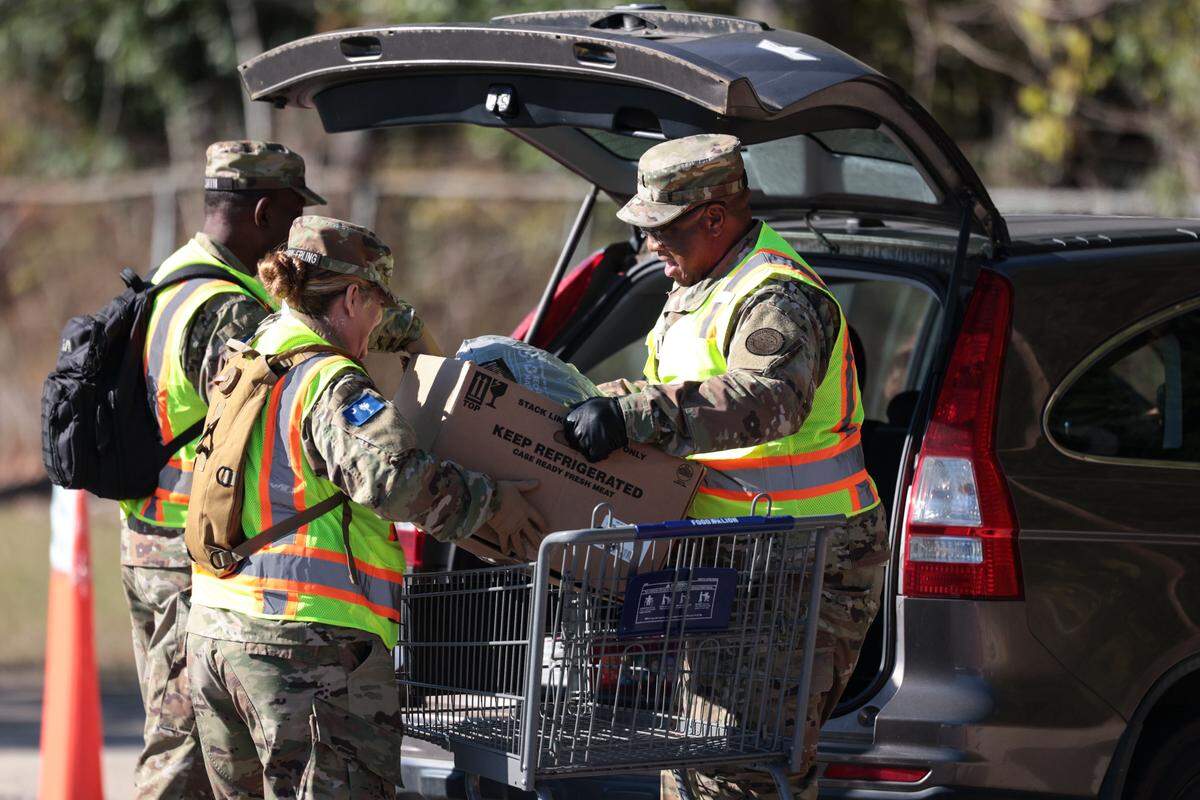
To keep up with increasing demand, the State Guard helped with food distribution Wednesday. They helped attendees load up cars of food and intercepted donations. Gov. Henry McMaster deployed the State Guard last week to help with distribution and safety at food banks last week.
Harvest Hope CEO Erinn Rowe said demand grew this week. She also said more donations and volunteers have flown into the food bank since the announcement that SNAP benefits would not be paid in November.
She warned, however, that donations would not be able to fill in for SNAP. South Carolina receives over $100 million every month to pay for SNAP benefits. In October, the state received over $104 million in benefits.
“We are [in] no shape made to fulfill a national program of feeding,” she said. “We logistically can’t do it, but as the food comes in, our team is showing up and working it, and we’re getting it out to those who need it. But we’re dramatically calling our state and local leaders to fix this, because this is not sustainable.”
Raichel Murray, a Columbia resident, receives about $300 a month in SNAP benefits for herself and her child. While she hasn’t felt the impacts of the cuts yet, she visited the food bank Wednesday morning because she didn’t receive her benefits this month. Murray is currently unemployed, she said.
“I’m jumping on this now,” Murray said. “I just don’t want it to get there.”
While over two dozen states have poured millions of dollars into benefits or food banks, McMaster said South Carolina would rely on philanthropy, particularly the Central Carolina Community Foundation’s One SC Fund.
As of Wednesday afternoon, the One SC Fund has raised over $245,000 for the state’s four largest food banks. The money will go to the food banks until the nonprofit raises $1 million, said CEO Georgia Mjartan. Then, donations will be available to other nonprofits that applied for a share of the money.
“The reality was on the ground this weekend, families didn’t have the money to feed their children, and our senior citizens didn’t have dollars loaded on onto their SNAP cards,” Mjartan said.
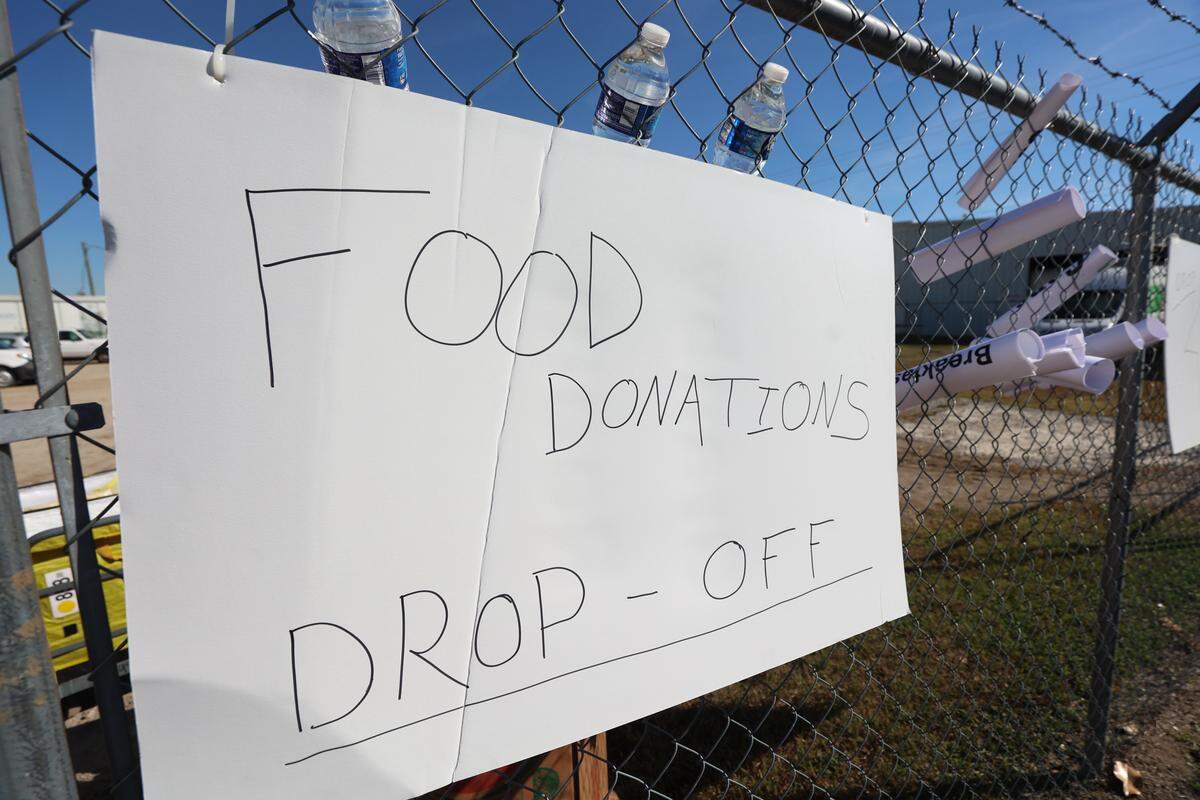
Apart from the One SC Fund, schools, churches, businesses and other nonprofits throughout the state have raised money and food to help people short on funds for groceries. Some local restaurants have also offered deals or free food to people with EBT cards.
State Rep. Hamilton Grant, D-Richland, said the state should look for creative solutions to help fill in the gaps of food benefits, rather than solely relying on philanthropy.
“Now we’re asking them to help with this with no skin in the game from the state,” Grant said. “And so it looks bad on the state not doing something, but relying on the philanthropic community to open up their wallets when they already stretched thin too.”
Its unknown when South Carolinians will start receiving SNAP benefits again. The USDA previously told state agencies it would not distribute SNAP benefits in November, as long as the federal government shutdown continued. But a pair of federal court rulings compelled the Trump administration to pay for SNAP through its contingency fund. The USDA said it would distribute 50% of benefits to SNAP recipients in November, but it could take states several weeks or months, according to court filings.
On Monday, the state Department of Social Services said it was waiting on guidance from the USDA to start distributing SNAP benefits again.
“We’re here to help those people in times of disasters, whether it’s a hurricane, whether it’s a global pandemic or a situation created by state and national leaders that are playing politics with people’s food,” Rowe said Wednesday morning.
This story was originally published November 6, 2025 at 11:16 AM with the headline "‘This is not sustainable’ As food benefits run out, demand for SC pantries climbs."