Are higher property taxes coming if county voters defeat a new sales tax? Council says yes
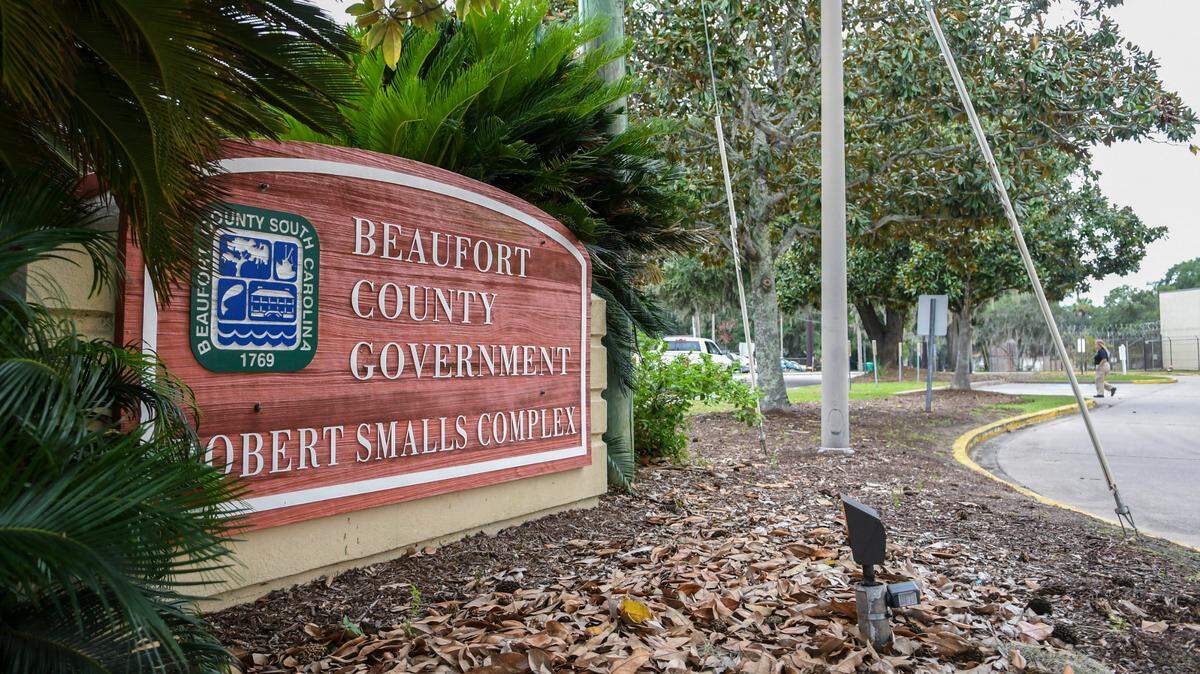
In a little more than four months, Beaufort County voters will be asked to approve a nearly $1 billion transportation referendum with promises of improved traffic and road conditions. To repay the debt, county council has proposed a new 1% sales tax. Two of the council members warned that failure to approve the sales tax measure could lead to higher future property taxes.
In a 9 to 2 vote, the council got clearance to put the question to voters on the November ballot, asking taxpayers to raise $950 million and then repay it over 10 years. Council members Tom Reitz and Paula Brown voted against the motion.
The one-cent sales tax will not go into effect until the current 1% tax is sunsetted. According to council members, the proposed tax to repay the borrowed sum will exclude groceries, medicine and other essential items. Several council members said visitors to the county would shoulder some of the burden of repayment through their local spending.
The vote to approve came after a handful of county residents publicly expressed dismay about the manner that the county handled a similar referendum in 2018. Their concerns were supported by brief applause by other members of the public in the chamber. Chief among their complaints were the unfinished projects from the last successful transportation tax in 2018. No one from the public spoke in favor of the initiative.
“I think before we give you any more of our money, you need to finish the projects you had on the list in 2018. You got the money from us now do what you said you were going to do. I will be an absolute ‘no’ for another tax referendum,” said Ashley Philips of Hilton Head Island.
“This tax is too big and exactly the wrong inflationary-economic time,” said Ann Ubelis of Lady’s Island. “We want to know exactly how much money is left over from the 2018 sales tax and how is it being applied. What is the additional cost of each unfinished 2018 tax project?
“There are currently nine ethics investigations on our current and former county employees and the taxpaying public is kept in the dark. and yet you ask us to trust you. How can we when the vast majority of 2018 projects have not even entered the construction stage? When the report about corruption and malfeasance has not been fully released to the public,” Ubelis added.
“We haven’t even come close but to maybe 17% of the 2018 projects that were essential at that time,” dissenting vote Reitz.
“If this referendum goes down, we have to come up with Plan B, because the roads aren’t going to fix themselves,” said Chairman Joe Passiment.
Pitting a sales tax increase vs. property tax increases
In response, council members suggested that if the tax doesn’t pass their only avenue to raise funds for infrastructure improvements would be through raising property taxes - another wildly unpopular option with homeowners.
“Talking to people in my district, they would much rather have a 1 cent sales tax than for us to raise their property taxes,” said council member Mark Lawson. “And that’s going to be the only option that you’ve got whenever these things need to be done if there is no money is for us to then raise property taxes.”
“If we didn’t bring this forward it would be negligence on our side. Knowing how this county is growing, knowing what is needed in all these areas,” he added. “I would ask folks to have common sense. When they vote this fall that they look at it and realize that it’s investing in our future. If we don’t do it it still needs to be done.”
Of the two who voted against only Reitz spoke on the referendum Monday night.
“I’m a firm believer that part of our job, our biggest part of our job, is listening to the people we represent,” Reitz said. “From what I hear this will be soundly defeated. I would like to encourage my colleagues to go back to the table and come up with something different and maybe delay it.”
In response to Reitz’s request for a delay, council member Cunningham asked “Where are we going to get $310 million? Cause the only way to do it is to raise our property (taxes).”
Council Vice-Chair Larry McElynn closed the discussion by defending the unfinished projects from 2018, putting the blame on the COVID-19 pandemic.
“In 2018 when the referendum passed and in 2019 and 2020 and 2021, things weren’t the way they normally were in America and certainly weren’t the way they normally are here. Things slowed down. We had the money and tried to do the projects, but couldn’t get anyone to do them,” he said.
This story was originally published June 25, 2024 at 11:26 AM.