‘It’s way worse emotionally:’ Daufuskie businesses take financial hit after ferry switch
With Hilton Head Island’s busy season approaching, Stewart Yarborough is worried. The steady stream of visitors who normally make the day trip to Daufuskie Island has tapered, and two of his three white transport vans sit empty and unused in a driveway.
“I don’t think my company will make it the year,” said Yarborough, the owner of Daufuskie Island Transport. The company brings tourists and their luggage around the remote island, which is only accessible by boat and where golf carts are the main mode of transportation.
Yarborough founded the company, which also provides excursions such as shark tooth hunting, in 2010, but his family has worked on the island for over a century. They first came to Daufuskie in 1921 as fishermen and keepers of the local lighthouse. For the first time, 103 years later, the family is having dinner table discussions about potentially having to move off the island.
Yarborough is one of 557 people who live on the island, many of whom rely on tourism to keep their small businesses afloat.
You won’t find a Target or Publix on Daufuskie; instead there are small shops with names like “School Grounds Coffee” and “D’Fuskies,” and locals behind the counter. Many reported their businesses steadily growing since they opened: owners expanded buildings, hired new staff and purchased more vans. That is until Beaufort County switched contractors for the public ferry service from Haig Point Community Associates to Lowcountry Ferry in January.
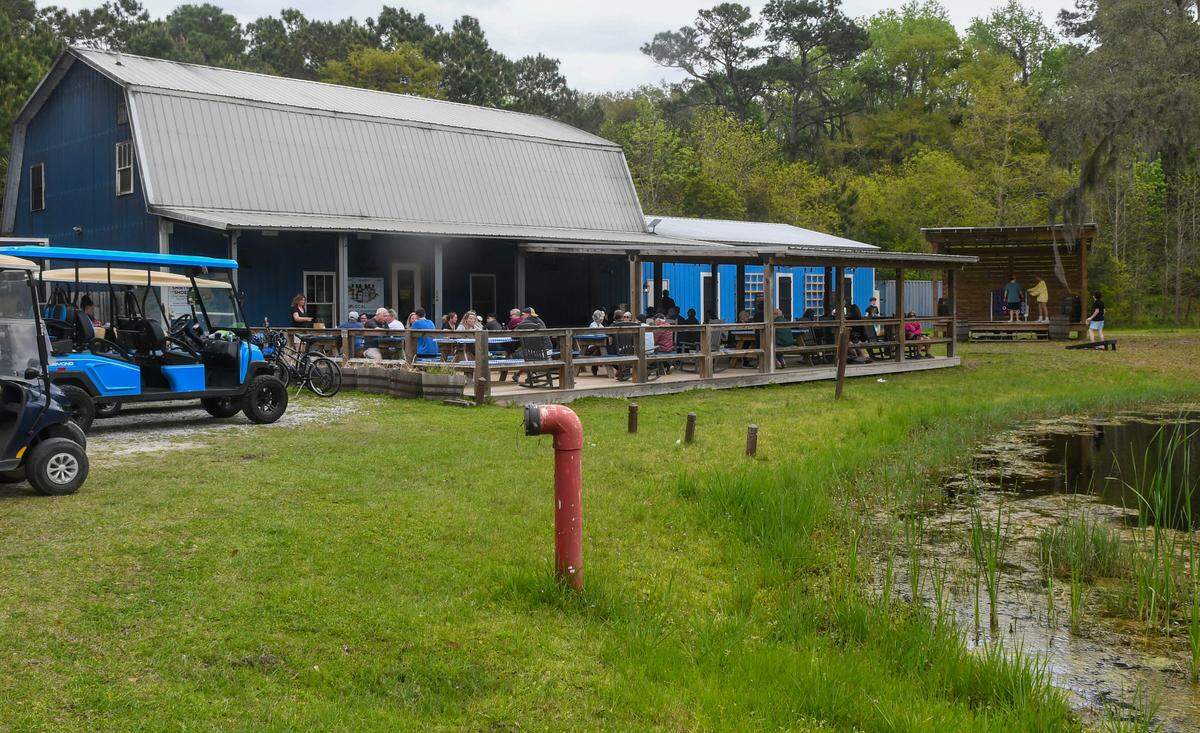
Then, a man fell into the water during boarding, disabled passengers and a South Carolina legal advocacy group raised accessibility concerns and riders had issues bringing cargo over, deterring tourists and jeopardizing the professions residents rely on to survive on the island. The business owners report that nothing has changed aside from the ferry contract.
Yarbourough said his transportation company typically has around $20,000 to $30,000 in revenue during May. So far, they’ve brought in about $1,500 to $2,000 for the month, meaning that they’re on track for 80% to 90% less revenue this month compared to May of last year. He’s let go one of his employees, and cut down the hours for another.
For Ron Angle, the impact has been notable but less extreme. Angle has lived on Daufuskie for 13 years and rents electric golf carts to visitors. He said his business is down 30% this year compared to last year.

“Our daily rentals is what’s led to the majority of our decrease,” said Angle, who also rents golf carts for long-term visitors. He reported that from Jan. 1, 2023 until May 15, 2023 they had 206 daily golf cart reservations. This year, they’ve had 56, a 73% decrease.
A decrease in daily visitors could have a snowball effect for property values as well, according to Daufuskie Island Rum Company co-owner Tony Chase.
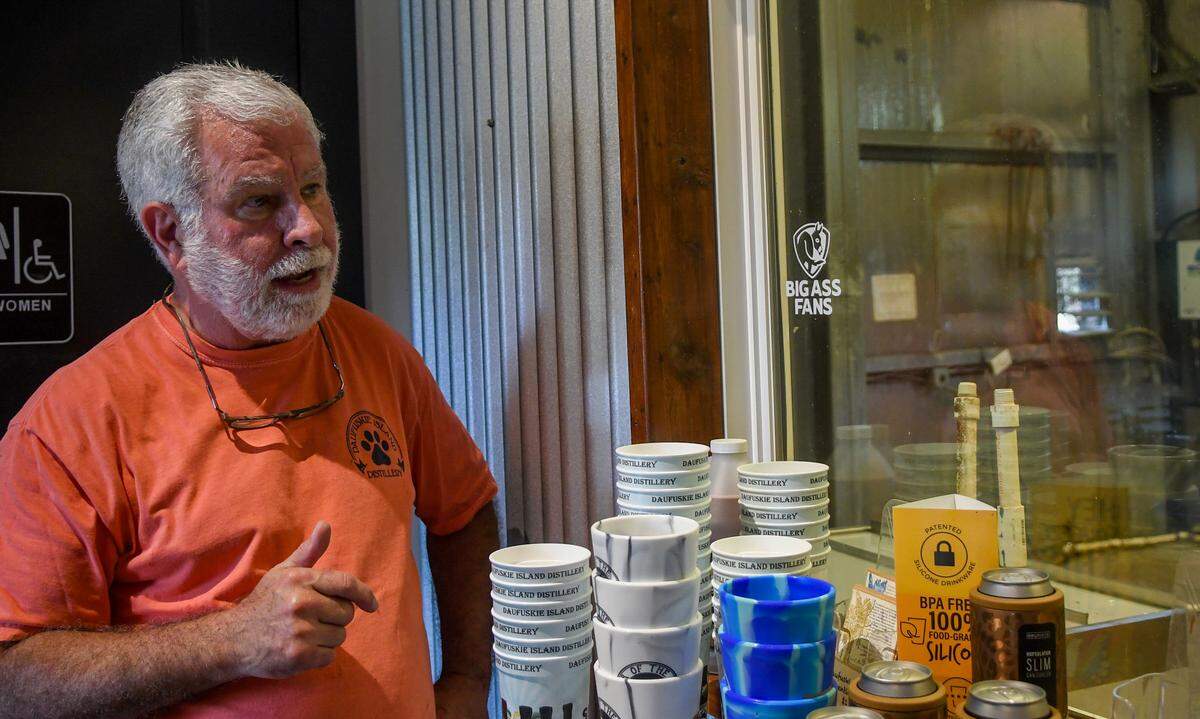
“The number one way that people look at property and consider buying on Daufuskie are first as tourists,” Chase said. “That’s gonna go away as well.”
Chase reported that revenue in January, February and March of 2024 was down 22% from 2023. “We have never had that happen. It’s always been an increase,” he said. The company will celebrate their 10th anniversary in December.
In an attempt to mitigate the effect of the new ferry, Chase said that businesses are compiling lists of other boats that could bring tourists to the island. But he said the only thing that will completely fix the issue is bringing back a reliable public ferry.
“People are just hesitant to try to do something different,” he said. “What they’ll do instead is they’ll go to Hilton Head or they’ll go to St. Simons Island ... and just skip Daufuskie altogether.”
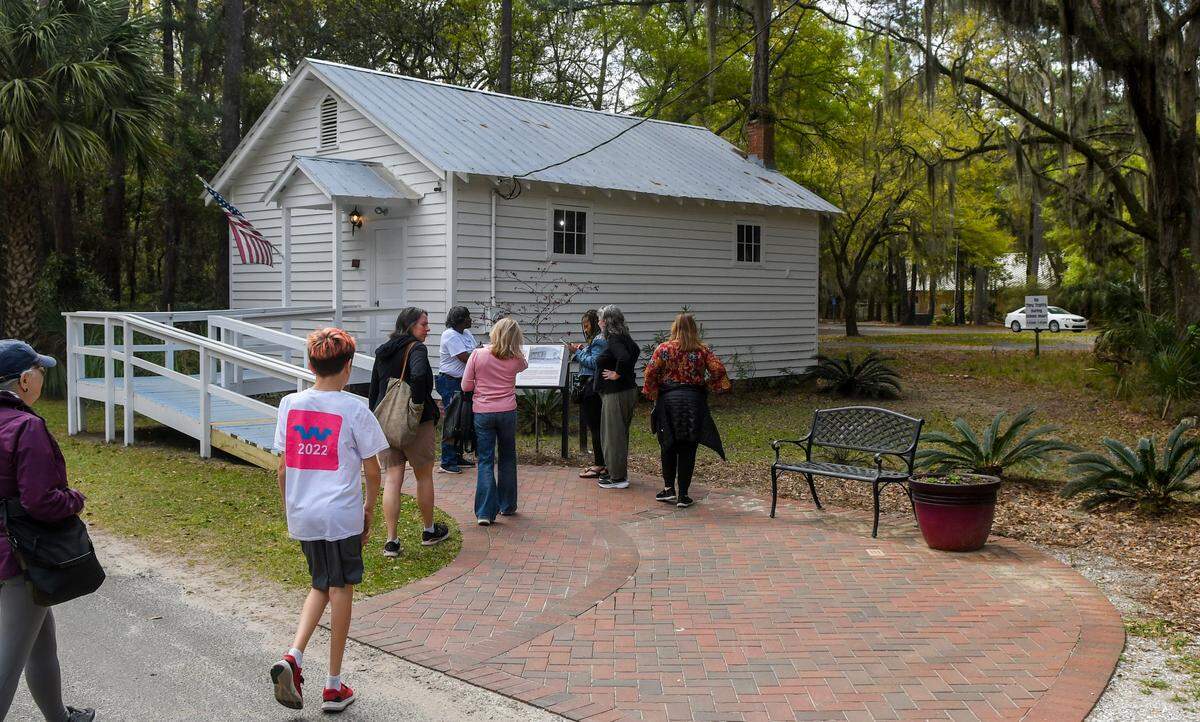
For these business owners, every tourist who chooses not to visit the island is a loss of potential income. Few haven’t been impacted, including Sallie Anne Robinson. She said she’s in a different position than most because she’s the only one who offers Gullah tours on the island.
“I try to hang in there to do the best I can to encourage people to come,” she said. “Not deter them.”
For others, such as Yarborough, it’s a step towards not being able to live in the place they’ve called home for centuries.
“It’s hard financially, but it’s way worse emotionally,” Yarborough said, explaining that he expected to be able to pass his business down to his son, Kade.
“Especially after you’ve spent so much time pouring your heart and soul into a business like this, just (for it) to crash and burn, not because of your own poor business decisions or a mistake that you’ve made,” he said. “But because of decisions made at the county level.”
This story was originally published May 17, 2024 at 11:39 AM.