Bluffton one of first to pass hate crime law in SC. How will it affect local policing?
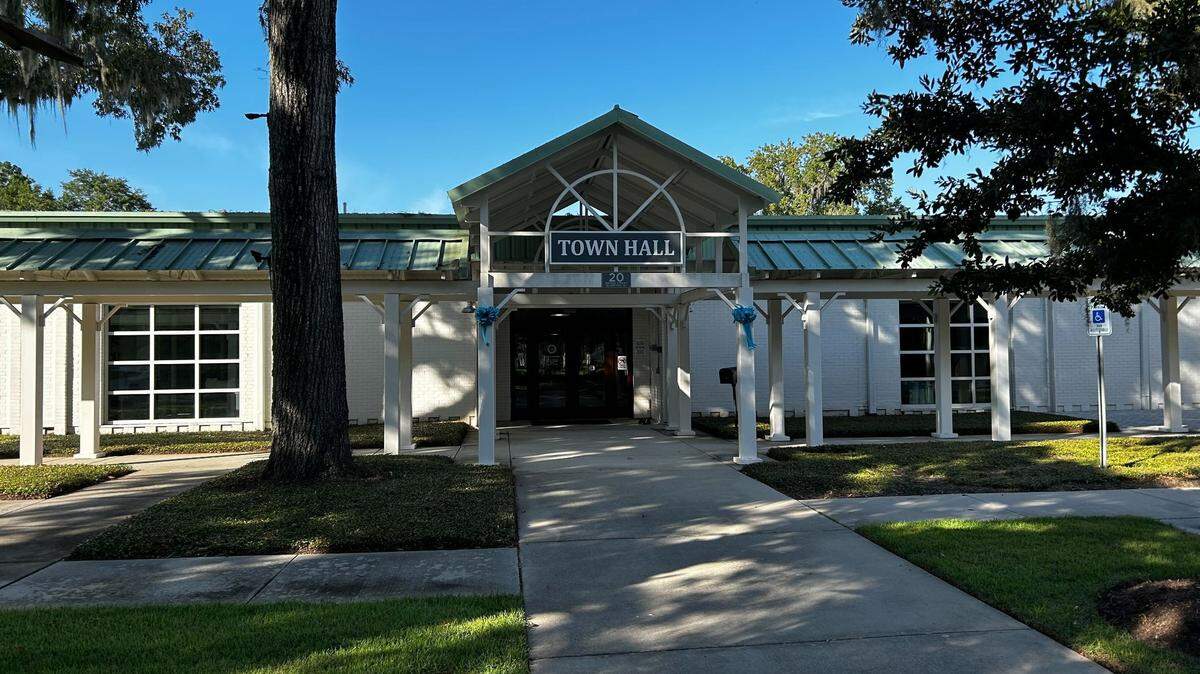
Bluffton, the fastest growing town in South Carolina, recently adopted a hate crime ordinance, making it the fourth municipality in the state to adopt the legislation. Currently, there is no statewide ordinance that covers hate crimes.
At a council meeting Oct. 10, the town joined Charleston, Columbia and Greenville in locally enforcing hate crimes, creating the new criminal charge of “hate intimidation.” South Carolina and Wyoming are the only two U.S. state legislatures that haven’t passed hate crime bills.
“We didn’t even need discussion,” said Bluffton Mayor Lisa Sulka. “I mean, [the vote] was so quick. I hope the rest of our towns do it.”
Sulka said the town has been pushing for an ordinance like this for as long as she can remember. Like with the distracted driving ordinance Bluffton passed in 2013, Sulka hopes adopting the ordinance before the state legislature will show a strong desire for a statewide law.
The vote adopting the hate intimation charge was unanimous.
The charge will act as an additional offense when “race, color, creed, religion, ancestry, gender, sexual orientation, gender identity, physical or mental disability, or national origin of any person” is believed to have motivated a “primary charge,” such as assault or vandalism.
A hate intimation charge, considered a misdemeanor, can add as much as $500 in fines or up to 30 more days of imprisonment — the maximum penalties possible under a town ordinance. Bluffton Chief of Police Joseph Babkiewicz said passing statewide legislation would allow for harsher sentencing.
“What we want to do is put some pressure on the state to enact a law statewide that would have more teeth to the punishment,” Babkiewicz said, explaining that state approval could elevate the charge to a felony punishable by multiple years in prison. “Hopefully this will push some of our elected officials to get that ball rolling and implement this statewide.”
Some legal experts believe hate crimes are especially hard to charge and prosecute, but Babkiewicz said he’s confident his officers will investigate such offenses as thoroughly as possible. Signs of a hate crime extend beyond prejudiced language and slurs, he said — they can also manifest in suspects’ past writings, actions at political protests or even symbols they might be wearing.
“It’s going to require our officers to dig a little bit more when they’re interviewing to ask the right questions that may lead us down this road to a charge,” Babkiewicz said. “But it’s something that all of our officers are willing to do.”
Jail time for hate intimidation convictions will be added on top of existing sentences for primary offenses, unless the court specifies good cause why they should run concurrently, according to a presentation on the charge given to Town Council at the Oct. 10 meeting.
“The usefulness of these municipal ordinances is a way for people to express to the General Assembly what they think is important and what they think the general assembly ought to do,” said South Carolina State Sen. Tom Davis (R-Beaufort).
Currently there is a bill at the state level that would add official hate crime legislation to S.C. law, but the bill is currently in political limbo.
An old rule where senators can request to be present for a vote, centuries later, is being used to keep the bill from being voted on, Davis said. Essentially, opponents of the bill request to be present for the vote, but don’t show up.
In order to move forward, two thirds of the senate would have to vote to move the bill to special order debate. However, in order to reach needed votes to get the bill to that point, Davis said 16 Republican senators would have to vote in favor of special order debate. As of Thursday morning, Davis says he only needs to convince three more.
Once the bill does go up for debate, Davis said he is confident that the bill will pass the senate floor.
“I’m optimistic that I can get 16 people to raise their hand when that question is asked in January, and we can get this thing set for debate in January and get it passed fairly quickly.”
This story was originally published October 19, 2023 at 12:13 PM.