Medical marijuana in South Carolina is dead again this year. Can it make a comeback?
A South Carolina Senate-supported proposal to legalize the growth, sale and use of marijuana to treat certain medical conditions went up in smoke Wednesday after the House voted the legislation unconstitutional, likely ending any hope of passage this year.
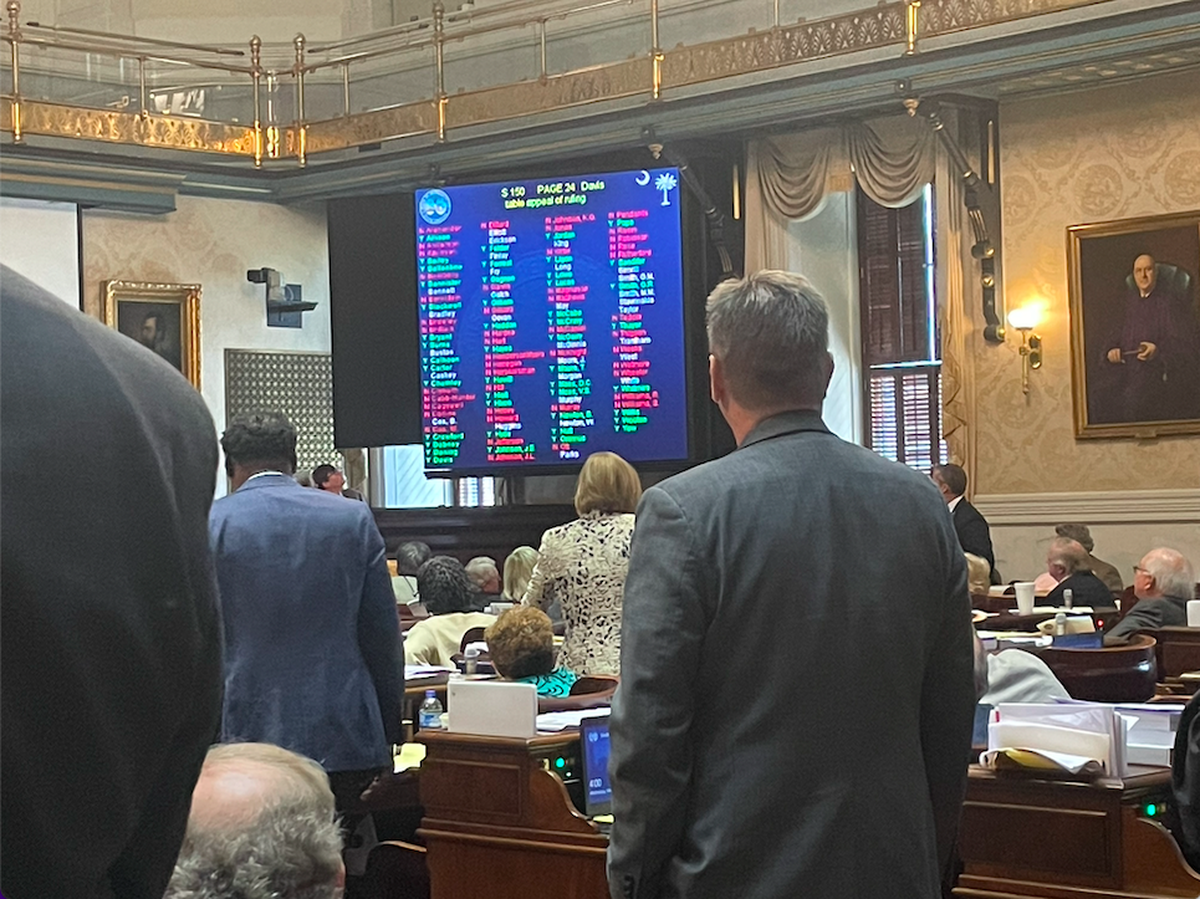
House lawmakers on Wednesday voted 59-55 to back a procedural ruling that effectively killed the bill after House Minority Leader Todd Rutherford, D-Richland, appealed to keep the bill alive. This came after Rep. John McCravy, R-Greenwood, requested the proposal be ruled unconstitutional since it creates a new tax, arguing that revenue-raising bills can only originate in the lower chamber.
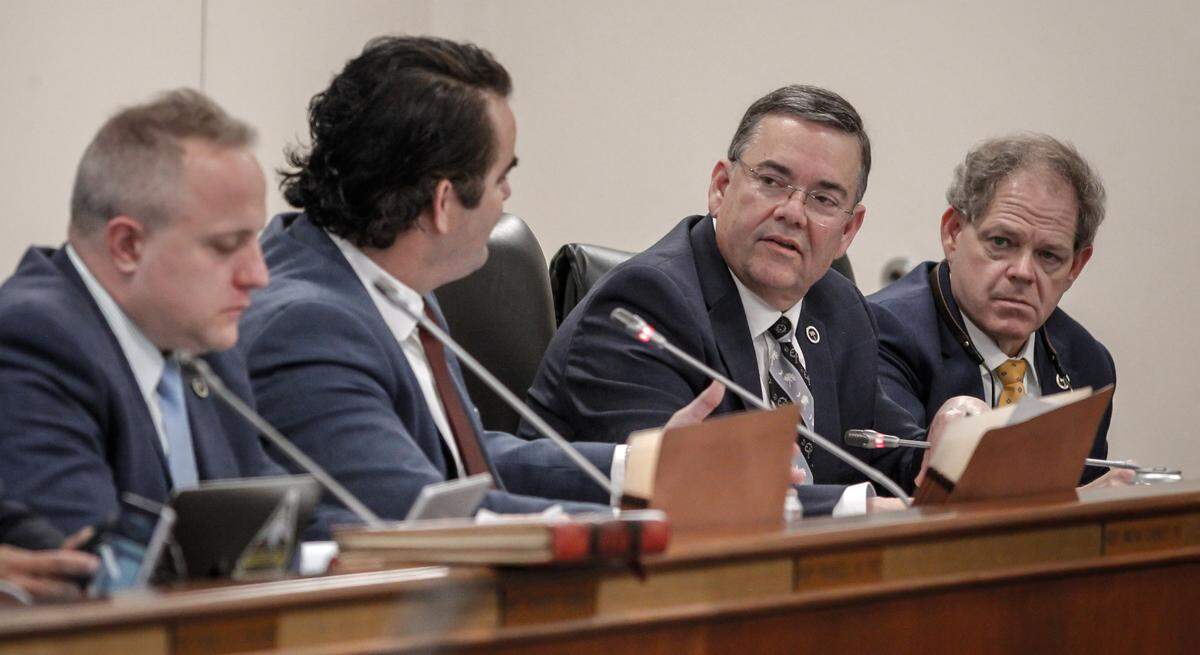
House Pro Tempore Tommy Pope, R-York, sustained McCravy’s request that a 6% fee on marijuana sales for medical purposes to pay for regulations in the legislation creates a new tax, and, therefore, is unconstitutional because only the House has that power.
“This bill levies taxes in the strictest sense of the word. It is a core ingredient. It established a separate tax to create the whole infrastructure,” Pope said.
Bill sponsor Sen. Tom Davis, R-Beaufort, and other Senate leaders stood speechless in the House chamber Wednesday as they watched a last-ditch effort to save the bill fail. They called the procedural move unprecedented and said it likely would have implications and “could have significant consequences on the relationship between the House and Senate,” Senate Majority Leader Shane Massey, R-Edgefield said.
The relationship between the House and Senate has been choppy over the last few weeks, particularly over differences in the state budget and a House election bill that senators amended to the displeasure of House leaders and Gov. Henry McMaster.
“We suffered a setback procedurally in the House today,” Davis, who has advocated on the issue for seven years, said hours after the vote to appeal failed. “I can’t cry about it. I can’t pout about it. I can’t come back and lash out and try to hurt other people’s bills. That’s not productive. I just need to find out a way to get this thing on the merits up or down in the House and that’s what I’m going to be working on.”
With four days left in the regular legislative session and House lawmakers still hoping to tackle several other high-profile bills in the coming days, the procedural move to end the medical cannabis bill debate hurts any chance that marijuana for medical purposes gets legalized in 2022.
Davis and Rutherford, however, told reporters Wednesday that they’re looking at potential avenues to resurrect the proposal, potentially using another bill as a vehicle for it.
“You don’t think I’m done, do you?” Rutherford remarked to a reporter. “This is chess.”
Bill passed with bipartisan support
The Compassionate Care Act, as the legislation is known, passed the Senate in February with bipartisan support.
It would have allowed licensed physicians to prescribe certain forms of marijuana to people with certain chronic, debilitating or terminal conditions. Patients prescribed medical cannabis would be required to get the drug from a limited number of licensed therapeutic cannabis pharmacies, and use of the drug would be limited to non-smokable forms.
Davis spent years refining the legislation to make it more palatable to skeptical Republican lawmakers and the law enforcement lobby, and he has called it one of the most conservative medical cannabis bills in the nation.
Despite those efforts, however, many in Davis’ own party said it still went too far.
Beyond the procedural maneuver, McCravy had prepared hundreds of amendments for a debate over the bill; they were seen in binders wheeled through the chamber.
“Absolutely, absolutely,” McCravy told reporters Wednesday when asked whether he would have agreed to debate the bill had it not included the 6% fee. “I think there are many defects in the bill, that’s just the first defect.”
Where does medical cannabis go now?
South Carolina lawmakers will head home May 12 for the end of the regular legislative session, but are expected in large part to return days or weeks after to hash out differences over the state budget and any other legislation deemed priority.
How advocates intend to resurrect the medical marijuana bill is not clear. Even more unclear is whether State House leaders would be willing to put the issue on the sine die resolution, an agreement between the chambers that outlines what they can debate after the session adjourns.
Rutherford and Davis both said they’re looking at options to give S. 150 new life.
“I need to figure out if there’s another vehicle. We still have four days left in the session, lots of bills on the calendar, some involving pharmacies and medical affairs, and things of that nature,” said Davis, who told reporters he was confident that he had 70 out of 124 votes in the House to pass the bill. “And so I think there’s an opportunity and I’ll explore what they are.”
Still, the issue of the ruling by Pope — which in his weekly legislative update video he questioned whether it’ll have an impact on House bills in the Senate — is sure to be a sore spot over the next week in the Legislature.
Like Davis, Rutherford disagreed with Pope’s ruling, calling his decision a “dramatic shift in power” and “a grave error.”
“It’s an abomination of House rules, and certainly an abomination of the General Assembly and the balance of power that we have,” Rutherford said. “And it strikes dead a number of Senate bills that are now going to be present on the House floor and we’ll kill those as well using that same ruling.”
Massey, who was one of a few senators standing in the House chamber Wednesday, said the House’s action will “likely have potentially significant consequences for the comity between the two bodies.”
“The relationship for the last two years has been really very good. We’ve worked very well together, and, then, you know, the last 10 days it’s gotten kind of nasty,” Massey said. “This may be the equivalent of firebombing the bridge.”
Reporter Joseph Bustos and Zak Koeske contributed to this report.
This story was originally published May 4, 2022 at 5:35 PM with the headline "Medical marijuana in South Carolina is dead again this year. Can it make a comeback?."