Monkeys on this Lowcountry Island are used in research. Nancy Mace wants it stopped
U.S. Rep. Nancy Mace is calling on the federal government to shut down a federal testing program using monkeys that live on a South Carolina sea island in Beaufort County. The tests, she said, are “barbaric.”
Anthony Fauci’s National Institute of Allergy and Infectious Diseases (NIAID), which runs the program, countered that the monkey research helps develop “life-saving prevention tools.”
Mace, a first-term Republican from Charleston, says Lowcountry residents have known for 42 years that monkeys have lived on the island. But, the congresswoman adds, she doubts they know the nature of the experiments — and wouldn’t support the research if they did.
“It’s disgusting,” said Mace, who said she’s learned that many of the experiments involve infecting the primates with debilitating and painful diseases and withholding pain relief. “We want this practice to end.”
Mace, joined by media members and White Coat Waste Project, which bills itself as a taxpayer watchdog group working to end taxpayer-funded animal experiments, departed from Sams Point Boat Landing on St. Helena Island and followed Coosaw and Morgan rivers for four miles to 4,489-acre Morgan Island.
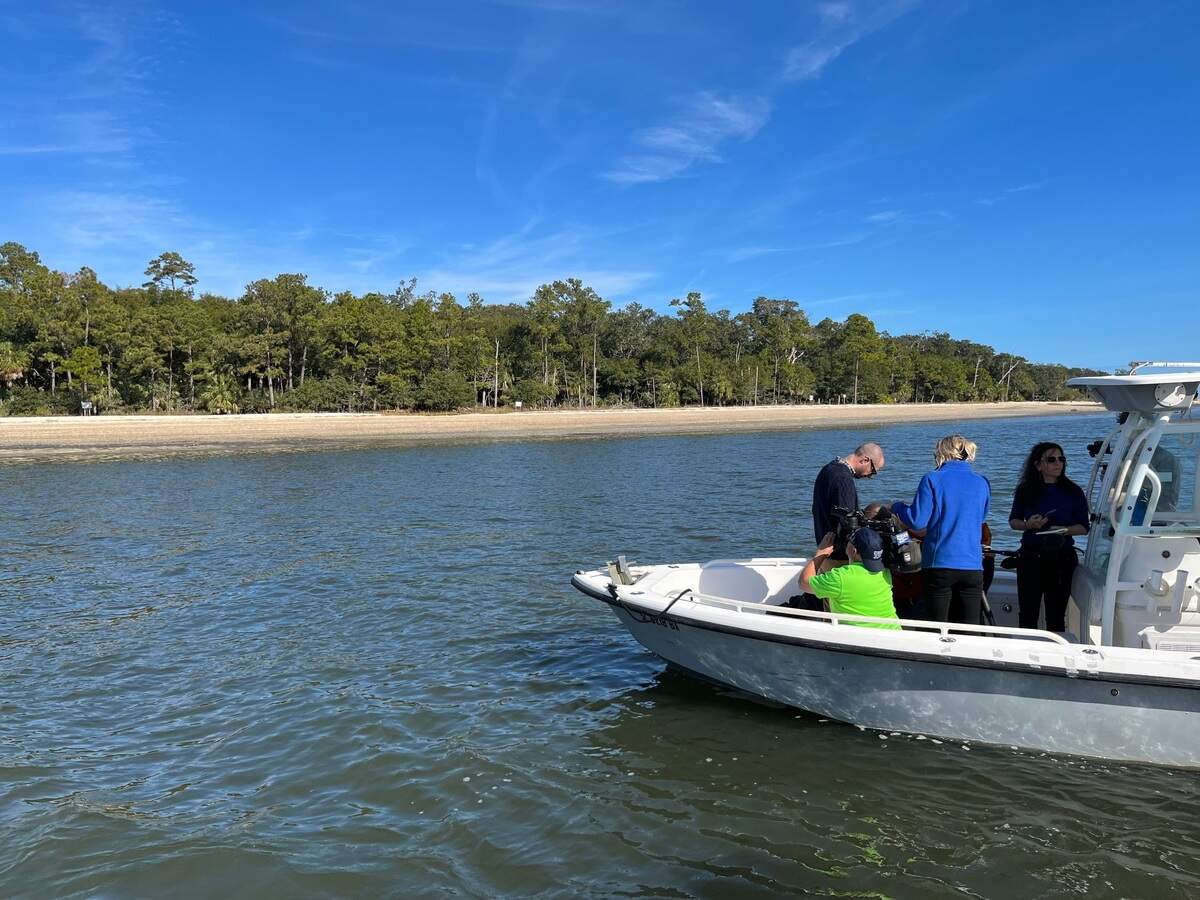
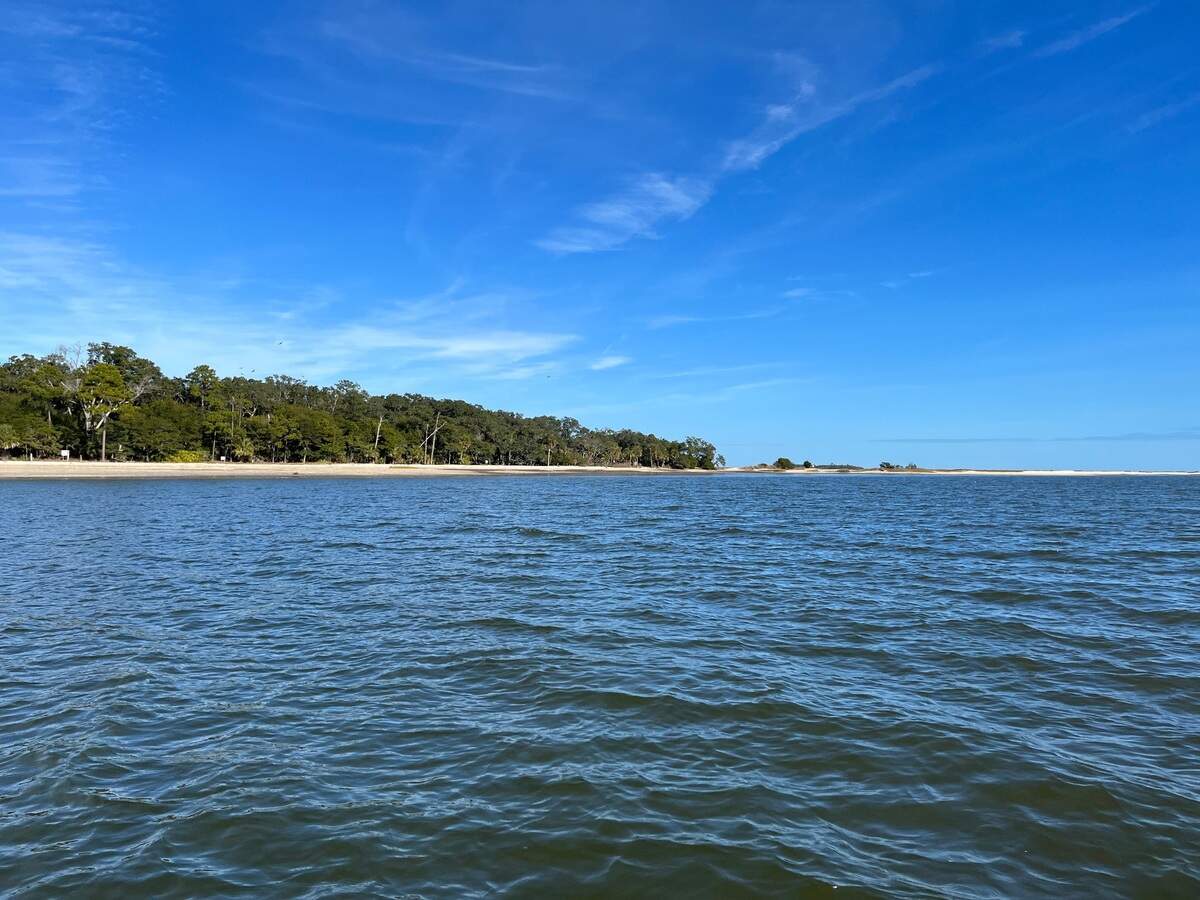
As two boats approached, a cart was seen disappearing inland into the trees. That led to speculation that the monkeys were dispersed by the managers ahead of Mace’s visit, which had been previously announced. None was seen from offshore.
But seeing monkeys on what’s become known as “monkey island” isn’t guaranteed, said Adam Henderson, a first sergeant with the South Carolina Department of Natural Resources and the driver of one of two boats in Mace’s contingent.
“I’ve seen them a handful of times,” Henderson said.
In a statement to The Beaufort Gazette and Island Packet, NIAID said Morgan Island is home to a breeding colony of about 3,500 free-ranging rhesus macaque monkeys, a source for federal government laboratories since 1979. The monkeys on the island today are descendants of a Puerto Rican colony that originated in India.
Each year, NIAID said, government researchers work with approximately 400-600 rhesus macaques “for research that helps develop life-saving prevention tools and treatments for diseases affecting public health.”
No research is conducted on the island, it said. All animal study proposals, NIAID added, including recommendations for work with non-human primates, must be reviewed by an Institutional Animal Care and Use Committee composed of veterinarians, community members and scientists.
Mace said the island has been portrayed as a retirement community for monkeys that have been used in scientific experiments. A few weeks ago, she said, she learned differently from White Coat Waste.
“We find out they are taking approximately 600 monkeys a year from Morgan Island and using them in gruesome and barbaric experiments,” she said. “That’s new to me.”
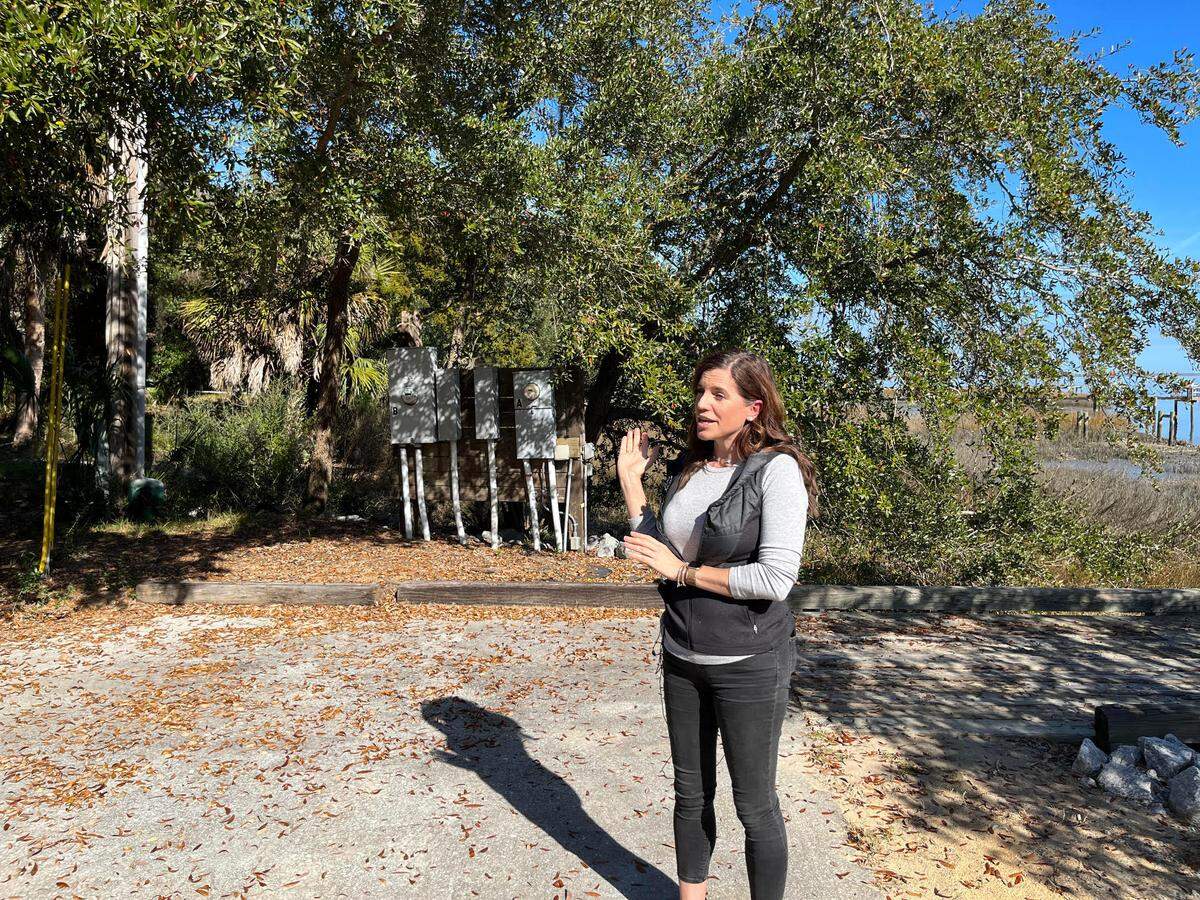
Mace, who said she wanted to raise awareness about the experiments, recently sponsored a bill to end NIAID-sponsored testing on beagles, also working with White Coat Waste. White Coat Waste’s information in that case caused an uproar of criticism of Fauci, who refuted its claims, including that the testing was funded by NIAID.
Former Beaufort Mayor David Taub penned a column about the monkeys in 2019 in which he debunked rumors that experiments were being conducted on the island. In 1978, he said, he was an assistant professor at Bowman Gray School of Medicine conducting basic research using non-human primate models when he was asked to manage the monkeys when they first arrived from southern Puerto Rico to Beaufort. Monkeys in crates were unloaded at Marine Corps Air Station Beaufort onto a trailer in the dead of night.
“The short and accurate answer is nothing,” Taub wrote about what was happening on the island. “It was then, and remains today, a breeding colony. Exclusively. No research done using the monkeys.”
Justin Goodman, vice president of advocacy and public policy for White Coat Waste, called the island a staging area for some of the most painful experiences being conducted by the government. Monkeys, he said, are infected with Middle East Respiratory Syndrome (MERS) and Simian immunodeficiency virus (SIV), the monkey version of AIDS, Goodman said.
He says the group learned about how monkeys from the island were being tested through requests under the Freedom of Information Act to National Institutes of Health, government spending data basis and scientific papers. It began investigating after a U.S. Department of Agriculture report on animal holding facilities, he said.
“I think a lot of people don’t know what the hell is going on,” Goodman said.
In a Nov. 30 letter penned to Fauci, Mace calls for a full accounting of involvement in operating Morgan by NIAID, including the numbers of monkeys taken from the island and the experiments performed since Jan. 1, 2020, and how much taxpayer funding was used.
She says the experiments involving the monkeys should not divide Republicans and Democrats.
“Animal issues are a place where we can, and we should, work together,” Mace says.
The South Carolina Department of Natural Resources purchased the island in 2002 to preserve it in light of development pressures, said Erin Weeks, a SCDNR spokeswoman. But the monkeys are owned by the U.S. Department of Health and Human Services. Charles River Laboratories is under contract with the federal government to care for the monkeys, feeding and watering them. The state leases the island to Charles River Laboratories, which pays the state $1.4 million annually.
Weeks said she doesn’t know what happens to the monkeys once they leave the island.
She commended Mace for asking questions but said state leaders at the time of the purchase 19 years ago decided in favor of funding derived from leasing the island for the monkey project and public health research. Today, the annual lease revenue is used for a variety of purposes, including fish, oyster and crab research, shoreline habitat restoration, turtle conservation and public- access protection, Weeks said.
A 2008 study on the environmental impacts of the monkeys on water quality found the impact to be minimal, Weeks said.