Without explanation, this Beaufort board closed a public meeting. What was going on?
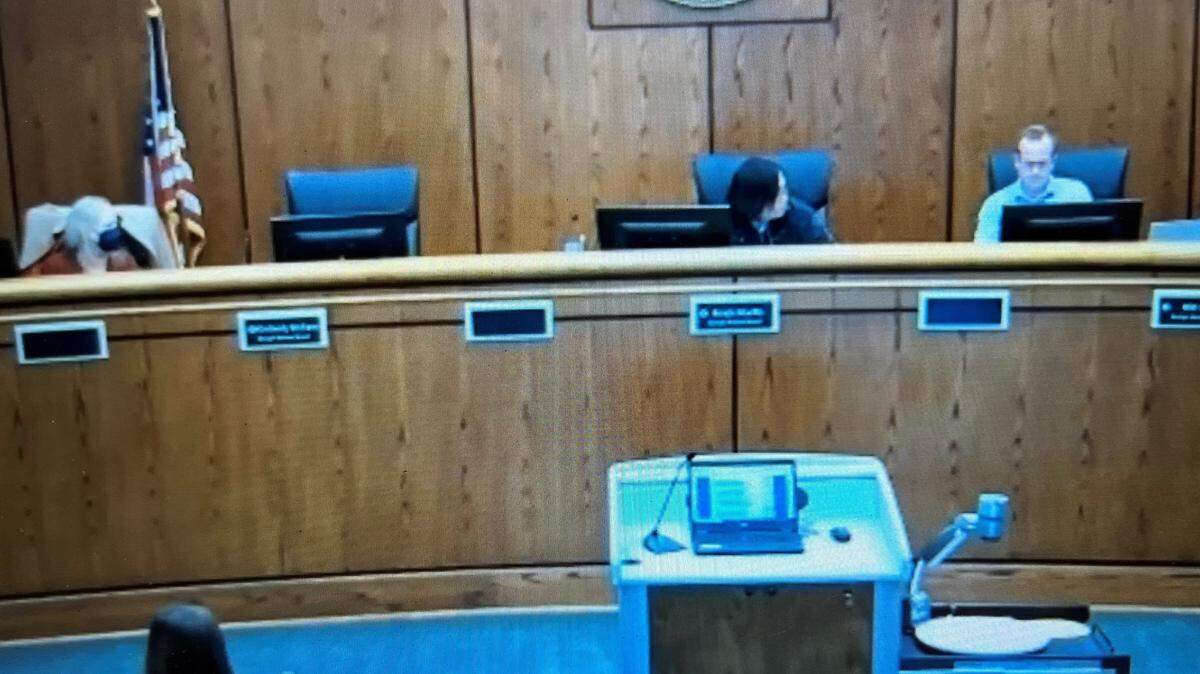
Without explanation, Beaufort’s Design Review Board closed a meeting to the public Tuesday. Then, when its three members reconvened in public, the board approved three apartment projects totaling 888 units.
The purpose of that secret meeting, it turns out, was to discuss whether it was appropriate for the three members to deliberate without a full five-member board, especially since three major apartment complexes were on the agenda. Two seats on the board are vacant.
It’s illegal to have any discussion in secret without publicly announcing beforehand the reason, or legal exemption from South Carolina’s open meetings law. The board failed to do that Tuesday.
It’s also illegal to meet in secret if the subject of that meeting isn’t one of the legal exemptions allowed by law, such as a personnel issue.
But the behind-closed-doors discussion indicates the concerns some have over the influx of large apartment proposals at a time when a city board charged with reviewing them is shorthanded with two vacancies.
During the public meeting, the Coastal Conservation League and Libby Anderson, a resident and former city planner, asked the board to refrain from voting until additional Design Review Board members are seated, giving the board its full five members. The board did not heed that advice, voting 2-1 to give conceptual approval to the projects, with board members Kimberly McFann and Witt Cox voting yes and chairman Benjie Morillo voting no.
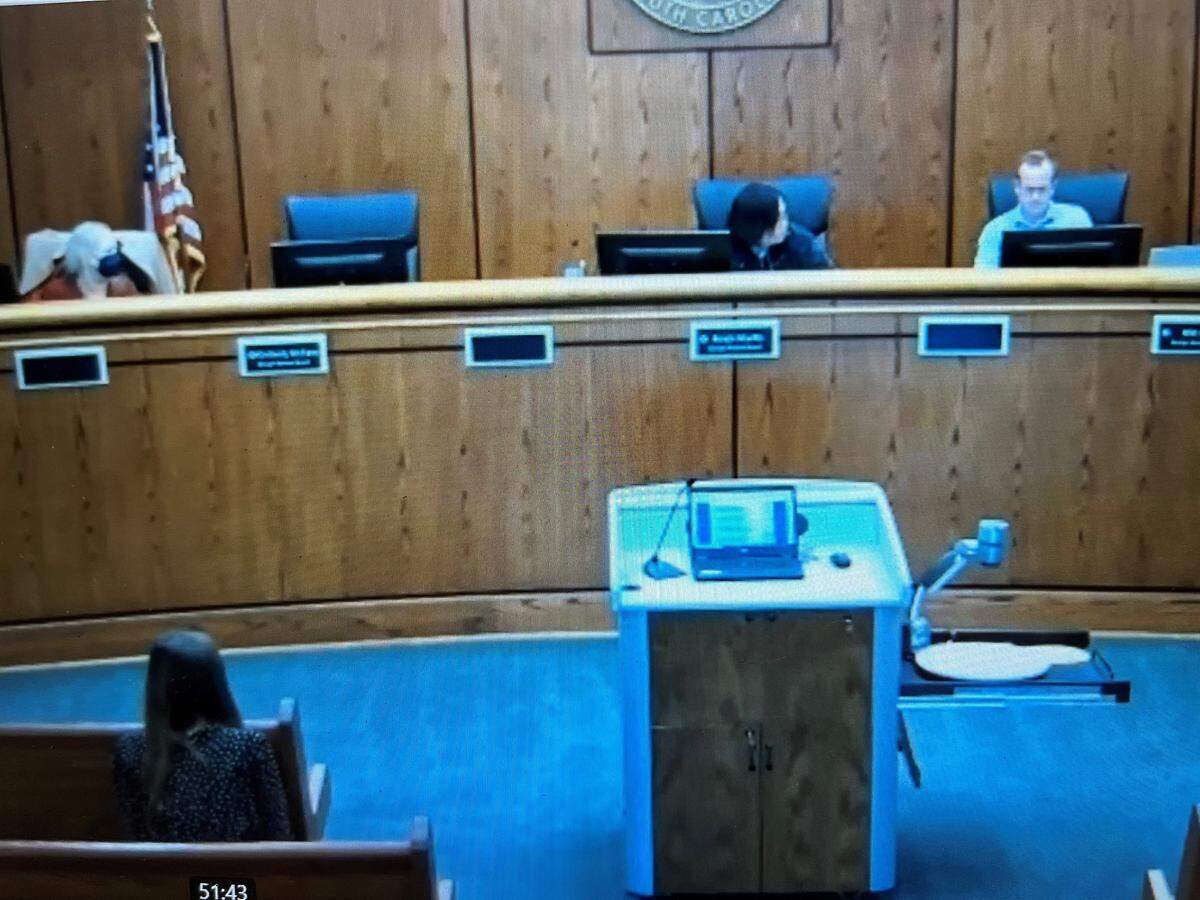
It was Morillo, before the meeting began, who proposed amending the agenda to add an executive session. Later, when The Beaufort Gazette and Island Packet asked the subject of the closed meeting, Morillo declined to comment. But city staff members confirmed that the subject of the closed meeting was the “internal composition” or size of the board.
With big projects on the agenda, Morillo was concerned whether it was OK for just three members of the five-member board to deliberate and sought advice from city staff, City Attorney William Harvey said.
“He (Morillo) felt that that was a private discussion,” Harvey said of the discussion of the internal composition of the board. “He wanted to get some advice on that. That was the essence of the discussion.”
Harvey would not comment on whether he thought the meeting was improperly closed, saying he was not there and did not witness the motion or who or how it was presented, or the meeting minutes or the Facebook video.
“Whatever concern there was, there was no consequence, substantively, from the discussion that occurred,” Harvey said.
The big projects before the DRB were a 72-unit, three-building project on 5 acres at 25 Old Jericho Road; a 504-unit, 21-building project on 38 acres at 211 Broad River Blvd.; a 312-unit complex of apartments and row houses on 36 acres at 442 Robert Smalls Parkway; and construction of a fellowship hall and gymnasium at Holy Trinity Classical Christian School.
In the 15-minute private meeting, city staff advised board members that it was OK to meet with three members, Harvey said.
According to the South Carolina Freedom of Information Act, government meetings in South Carolina are presumed public, but six exceptions allow boards to discuss: individual employment matters; contract negotiations and legal matters; security personnel or devices; investigative proceedings into criminal conduct allegations; matters related to the proposed location or expansion of a business or industry; and investing public employee retirement funds.
How talking about the internal composition of a city board fits into any of the categories isn’t clear. But even if there were legal grounds to close the meeting, state law requires the presiding officer to announce the specific exception allowing the executive session —meaning a description of the matter to be discussed. In this case, board members simply voted to go into executive session, and Morillo did not announce why.
DRB members are appointed to three-year terms by the City Council. The board is made up of a landscape architect, a civil engineer, a local business owner, and an at-large representative. The board reviews development applications for compliance with the the Beaufort code.
Chairman Morillo says his concern is that the apartment site plans don’t follow the code “as I interpret it.” Some of the buildings, for example, do not front streets but rather parking lots, he says. City staff, which has recommended conceptual approval, has a different interpretation, he says, saying the code is being met when buildings front pedestrian paths.
“It kind of kills your street vibrancy, I guess,” Morillo says.
Mayor Stephen Murray, who previously questioned whether the 504-unit project was in line with city plans that call for walkable, mixed-use and traditional neighborhoods, said this week that the large number of multi-family housing proposals in Beaufort are a response from the private sector to the city’s growth and demand for housing.
“I think that many units, especially along that same corridor, is reason to make sure we get it right,” Murray said.
This story was originally published November 19, 2021 at 1:15 PM.