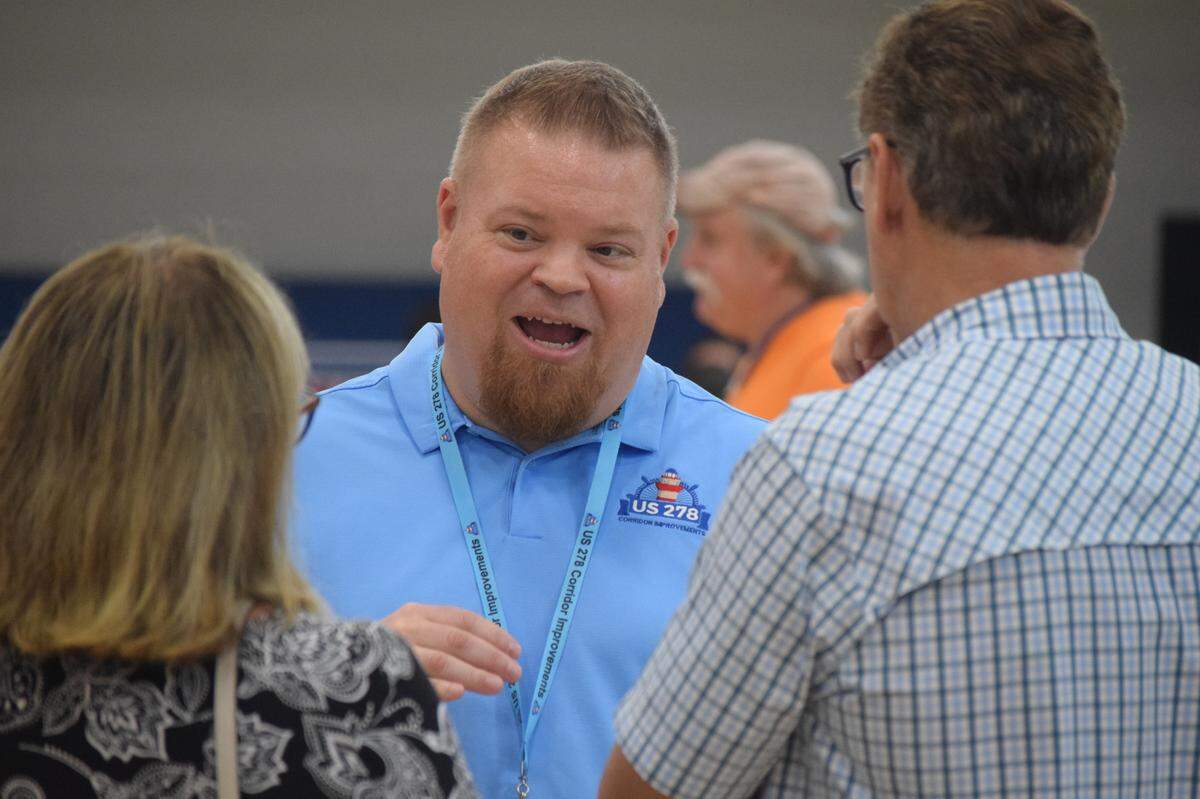
Negotiations to begin over 6-lane bridge plan after Hilton Head council vote. What we know
The U.S. 278 project is about to enter a new stage of political gamesmanship.
The Hilton Head Island Town Council on Tuesday voted 5-2 to work with Beaufort County on a counter to the favored U.S. 278 plan pushed forward by the S.C. Department of Transportation.
The years-long, contentious project is now destined for negotiations between the county, state and town.
The Town Council hopes that Town Manager Marc Orlando and Beaufort County Administrator Eric Greenway will help the two local governments create a unified counter to eventually present to SCDOT. The council on Tuesday said that Orlando should share with Greenway a town consultant’s suggested changes to the project and move forward from there.
Greenway told the Beaufort County Council on Monday that county and town staff members will met Thursday with SCDOT Secretary Christy Hall to discuss the project.
“Whatever we can do to work with the town on the design, where it makes sense and is appropriate ... we stand ready to do that,” Greenway told the Town Council during Tuesday’s meeting.
Orlando added that the town this week is not seeking a “final decision” on the project, but wants to discuss “remaining concerns” about the SCDOT plan.
“We’ll have many more votes after this,” Mayor John McCann stressed Tuesday, implying that the negotiations may last months.
The state hopes to begin construction on the project in late 2023 or early 2024.
Continued opposition
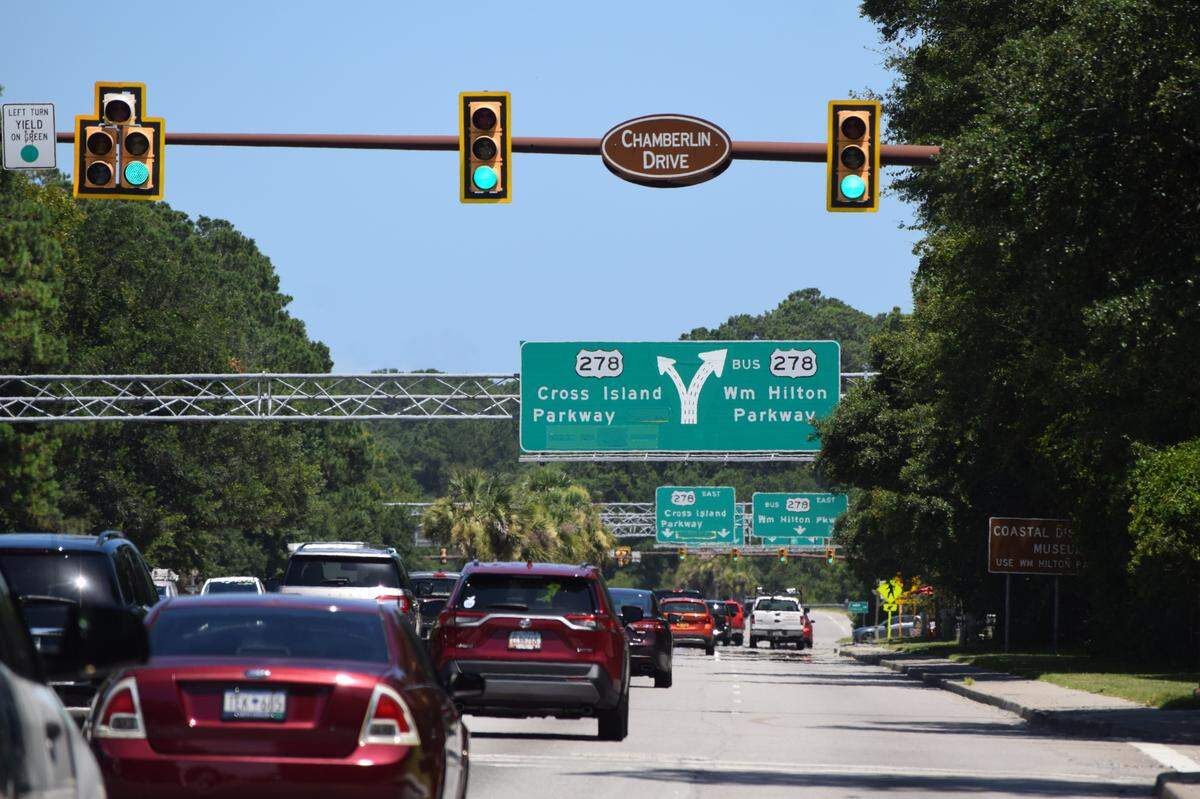
SCDOT wants to demolish the existing bridges to Hilton Head and build a new, six-lane bridge between Bluffton and Jenkins Island. The state also plans to expand the highway’s footprint in the historic Stoney community.
A counter developed for the Town Council by MKSK, a Greenville-based land planning firm, aims to “enhance” the SCDOT plan. It does not call for a completely different route to Hilton Head. It also endorses the state’s proposal to have six lanes of traffic throughout the entire highway corridor.
Those suggestions have proven controversial, with some Town Council members and residents arguing that the recommended tweaks to SCDOT’s $290 million plan do not make up for the fundamental flaws in the state’s proposal or a lack of details on project spending.
Ward 1 representative Alex Brown on Tuesday said the town simply is focusing on “what SCDOT has put in front of us and ‘can we make it better by putting lipstick on a pig?’”
Brown, who voted against the plan to have Orlando share MKSK’s recommendations with Greenway, also noted island activists’ long-standing concern that SCDOT’s scope of study for the project was too limited. He added that a “fuller accounting” of the project’s spending is needed to protect residents’ interests.
Tamara Becker, Ward 4’s representative, opposed Tuesday’s motion, too.
Becker said she believes the project has morphed into something voters did not expect when they went to the polls in 2018 and approved a penny sales tax in Beaufort County that will generate $80 million for the undertaking.
“Our taxpayers, who are now overburdened, are looking at grand plans but (have) no idea what’s coming down the road for them,” Becker said. “I have more questions than answers.”
‘A political statement, not a legal one’
The majority of council members, though, were in favor of moving forward and sharing the MKSK counter with Greenway, including Ward 3 representative David Ames, who last month expressed concerns about the underlying SCDOT ideas incorporated into MKSK’s recommendations.
Ames, who on Sept. 13 said he favored the concept of having two eastbound lanes and three westbound lanes for the new bridges, during this week’s meeting said he believes the U.S. 278 project is needed, but that SCDOT’s proposed design is not consistent with island character.
In response to Ames’ earlier concerns, MKSK principal Brian Kinzelman said that HDR, an engineering firm, had analyzed SCDOT’s traffic projections and had found them to be accurate. “Three lanes in each direction is necessary to move traffic in the future,” Kinzelman said.
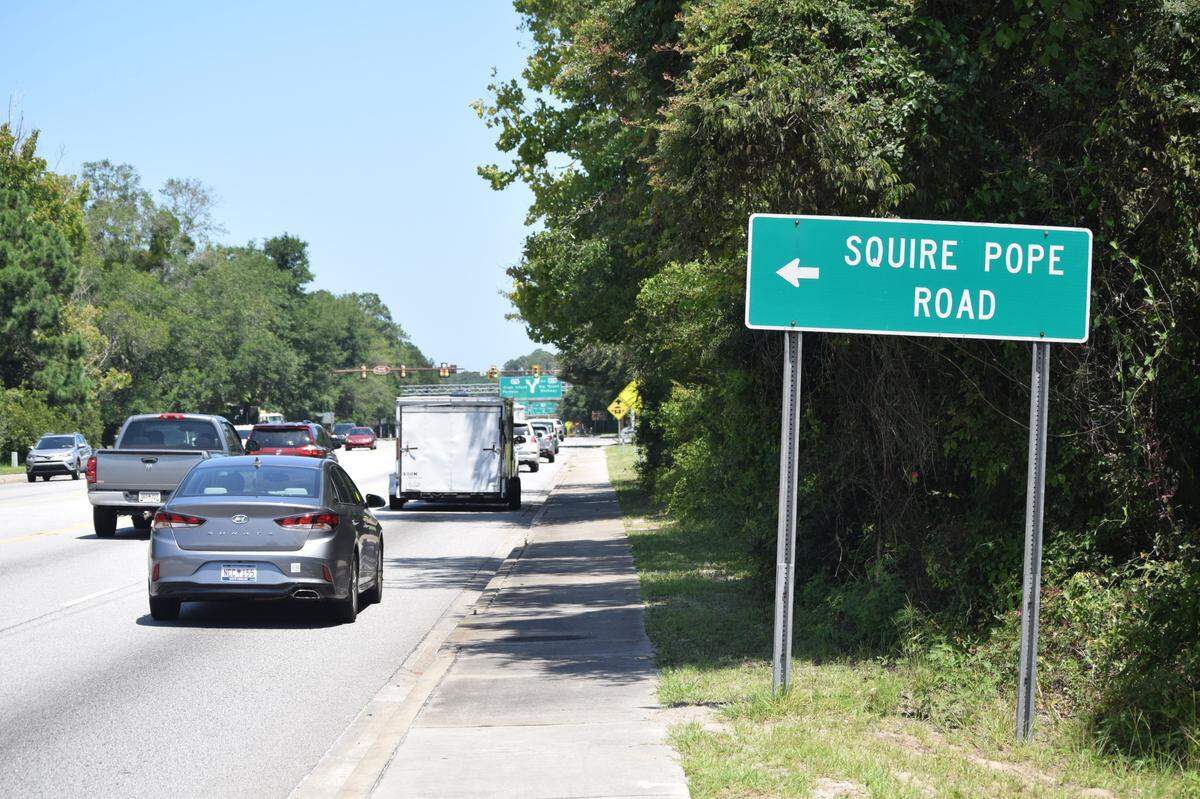
MKSK has suggested that SCDOT build two new bridges with three lanes of traffic on each structure instead of a single, six-lane bridge. The firm also has proposed various aesthetic and design upgrades for the project and wants to maintain left turns at the Squire Pope Road-U.S. 278 intersection and Spanish Wells-Wild Horse roads intersection, among other things.
Ames on Tuesday supported those ideas, but stressed that it now “comes down to whether or not we can be confident that the MKSK recommendations will be adopted by SCDOT. I don’t think we have a level of confidence that that’s going to happen, but I do think we have strong support in the Legislature.
“I really think that we have to go into this negotiation saying ‘this is our list’ and ‘this is what our citizens want.’”
Ames also thanked state Sen. Tom Davis, R-Beaufort, who likely will play a central role in the local governments’ efforts to tweak the SCDOT plan.
Davis last week issued a blistering statement after The Island Packet and Beaufort Gazette reported that a SCDOT spokesman confirmed that state law requires Beaufort County to obtain municipal consent from Hilton Head’s government only for U.S. 278 construction within the town limits.
The existing bridges do not cross into the town limits on Jenkins Island, spokesman Pete Poore wrote in a statement to the newspapers.
In other words, the Town Council cannot outright veto SCDOT’s bridge design by refusing to provide municipal consent for the project.
Davis, while acknowledging the limitations built into state law, on Oct. 6 wrote that he was “making a political statement, not a legal one.”
“The bottom line is this: If the Town requests changes, even as to areas of the project outside its municipal limits, they must be received, considered, and respected by the SCDOT; otherwise, the project is not going to move forward,” Davis wrote.
Greenway, the county administrator, on Monday said the newspapers’ article prompted the Thursday meeting between the county, state and town.
Ward 6 representative Glenn Stanford, before Tuesday’s vote, said he recognizes that the town has a “limited ability” to control parts of the project outside its municipal limits, but agreed that SCDOT’s proposed bridge design needs to be improved.
“We’re going to need the help of Tom Davis in moving this forward,” Stanford said of the counter.