Beaufort Co. barred unvaccinated employees from paid COVID leave. Then backtracked
Beaufort County last week briefly stopped allowing unvaccinated county employees to take paid COVID leave if they became sick, before backtracking on the policy change three days later, according to the county spokesperson and internal emails obtained by The Island Packet and Beaufort Gazette.
After criticism from some department heads and elected officials, unvaccinated county employees will still be able to use COVID leave. The county also created a “verbal policy” last week that each department head could require their employees to wear masks at work, according to spokesperson Chris Ophardt.
The county’s mixed messaging on its own COVID policy illustrates the narrow line local governments must walk, encouraging employees to get vaccinated while respecting different opinions and acknowledging the increasingly volatile political divide surrounding COVID-19. The about-face in the policy also shows the push-pull of power between Beaufort County’s administration and its elected officials.
Two elected officials said they would not have followed the policy in their departments.
On Monday, County Human Resources Director Scott Marshall emailed all department heads, saying county employees would have to provide proof of vaccination if they got sick and asked for COVID leave. Previously, all employees, regardless of vaccination status, were eligible for 80 hours of paid COVID leave as long as they met six far-reaching requirements.
The policy change, implemented by County Administrator Eric Greenway, was intended to encourage employees to get vaccinated as the super contagious delta variant rages across the country. Employees could be exempt due to religious and medical reasons, the email said.
“Multiple reports from area hospitals show that a vast majority of ICU patients are unvaccinated individuals,” Ophardt said of the policy. “By choosing to be vaccinated, our employees will be less at risk to themselves, coworkers, and the public they serve.”
In the days after Marshall’s email, several department heads and elected officials pushed back against the new policy in internal discussions and emails. Opponents, including Treasurer Maria Walls and Sheriff PJ Tanner, said it was half-baked and could cause employees sick with COVID to come to work.
“These were existing benefits that are now being taken away with the purpose of taking punitive action against certain employees,” Walls told a reporter Wednesday. “I don’t think that’s right.”
Called Friday, Tanner, who said he is vaccinated, referred to the policy as a “backdoor mandate” and said it would have created division among employees. He said the policy should have been considered and voted on by County Council, and he told Greenway and other department heads that he was against it.
On Thursday, five hours after The Island Packet asked the county to respond to criticism about the policy, Marshall sent another email to department heads saying the county was backtracking its decision and would continue offering the benefit to unvaccinated employees.
Ophardt told a reporter Thursday that Administrator Greenway made the about-face decision after meeting with several department heads and elected officials. The COVID leave benefit will stay in place as the county’s Human Resources and legal departments work on overhauling the county’s overall COVID-19 policy — created in March 2020, he said.
Roughly 50% of the county’s 1,300 employees are unvaccinated against COVID-19 — about on par with the county’s general population, according to Ophardt.
And COVID cases are on the rise once again. Beaufort County on Friday logged a record 231 new cases — shattering the previous record high from January.
Beaufort Memorial Hospital’s 12-bed intensive care unit is full and about 95% of the hospital’s COVID-19 patients are unvaccinated, according to hospital CEO Russell Baxley.
Baxley is urging local elected officials to consider new mask mandates.
The delta variant, which is roughly twice as transmissible as the original coronavirus strain, has driven the latest spike in new cases, experts say. And the weeks ahead remain unpredictable.
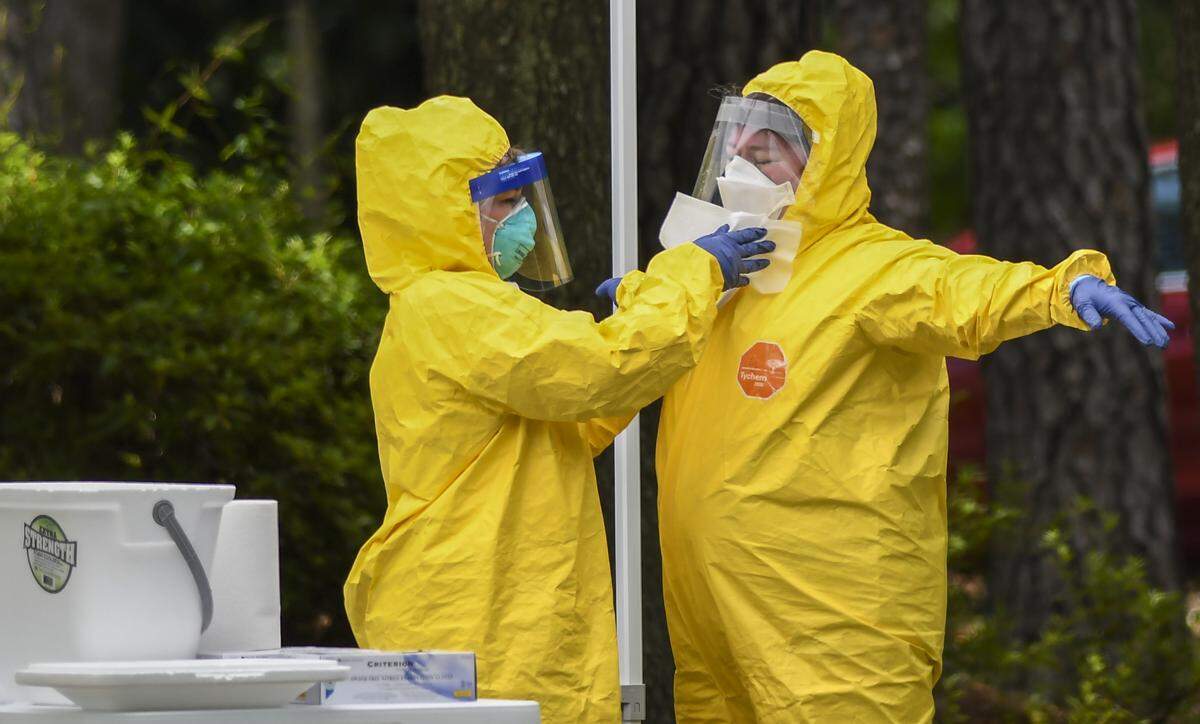
What is COVID leave?
In April 2020, the federal government, under the Families First Coronavirus Response Act (FFCRA), began requiring certain employers to provide employees with paid sick, family and medical leave for COVID-19 reasons. While that requirement expired in December, employers can choose to provide the leave through Sept. 30 in exchange for certain tax credits.
After S.C. Gov. Henry McMaster ended his state of emergency in June, Beaufort County continued offering COVID leave to employees. To get approved, employees had to meet one of six COVID-19-related criteria. If approved, the employee would get up to 80 hours of paid time off.
The time off is not billed against an employee’s accrued sick leave.
On Monday, the county told department heads that an employee must prove they are vaccinated to get the COVID benefit. Unvaccinated county employees would have to use their accrued sick leave if they get sick with COVID, according to the policy.
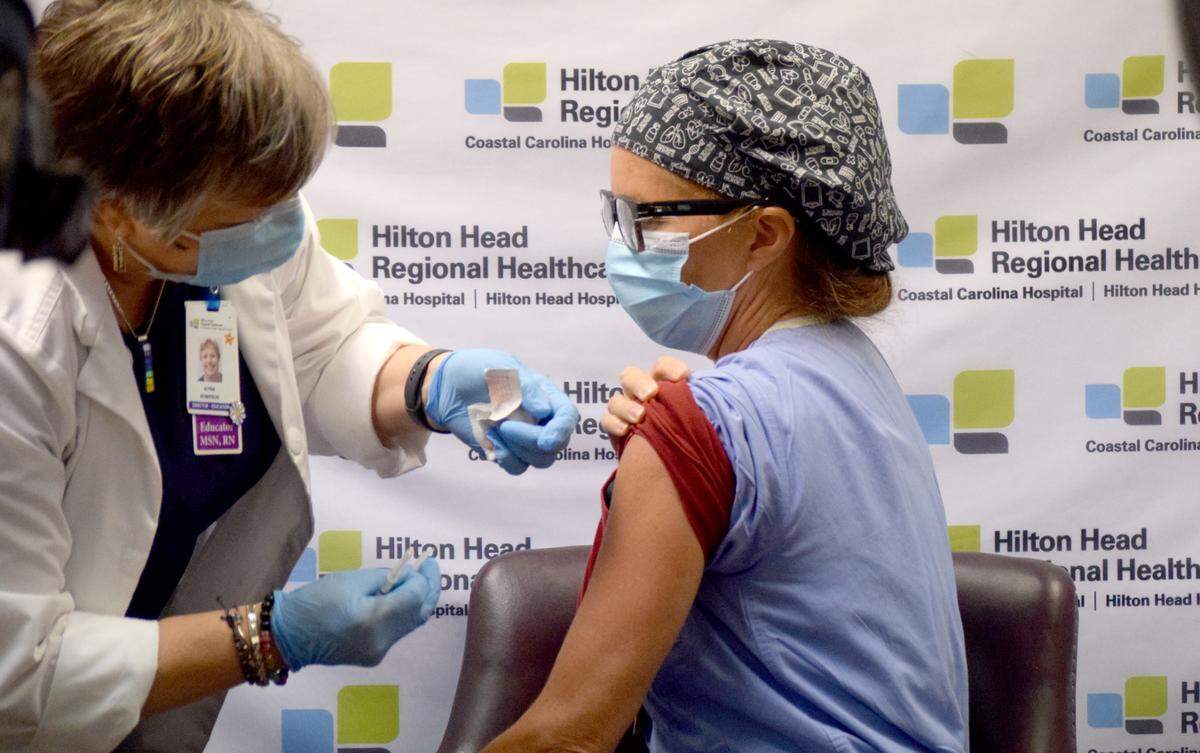
Beaufort County began offering employees sick leave in December 2019 under the previous administration of Ashley Jacobs. Prior to the policy, employees who were sick would use vacation days or would come to work “visibly sick,” according to previous reporting by The Island Packet.
On Thursday, two days after Greenway met with department heads about the new policy, he changed his mind. All employees will be able to get the COVID leave benefit as the county works to amend its COVID policies, Ophardt said.
Greenway also created a policy that allows county department heads to require their employees to wear masks at work, Ophardt said. That decision should be based on each department’s level of interaction with the public, he said.
Although Beaufort County Council voted in April to let its mandatory mask rules expire, several county departments — like the Detention Center and EMS — kept the requirement in place, he said.
However, County Council has given no indication publicly that it plans to require masks for the general public.