Hilton Head has had ‘limited government’ for 37 years. Does that work in a pandemic?
The Town of Hilton Head Island does not have the power to clear its beaches.
It cannot close the bridge, force residents to wear masks, or shutter short-term rental businesses to stop tourists from coming to the island.
It can’t ground all the planes at the airport or make people stay inside.
These measures — limitations to some, signs of a free society to others — have been discussed throughout the coronavirus pandemic, which has highlighted the differences in what people expect from their local government.
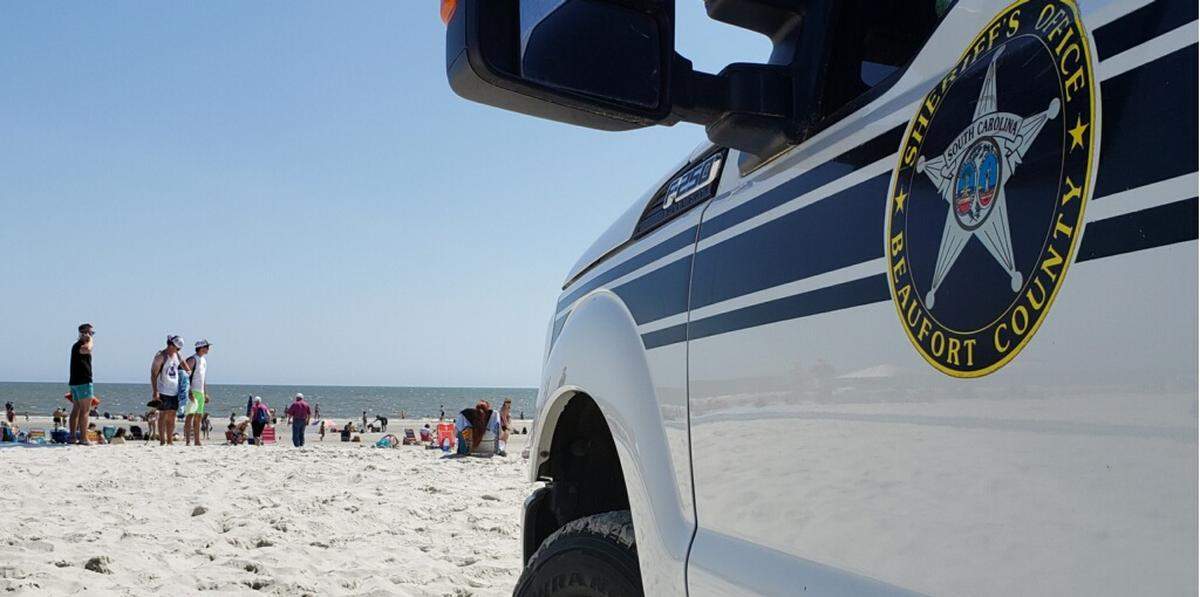
Established in 1983, the Town of Hilton Head Island has often been referred to by its leaders as “limited service government.” The town has no public health department and does not employ its own police force — instead relying on the Beaufort County Sheriff’s Office for law enforcement.
The smaller form of government has oft been considered appropriate for the town’s 40,000 residents, who have enjoyed lower taxes and in general, less government intervention.
But, as with nearly all arenas of American life, the coronavirus has turned local government on its head.
The result of the limited services government has been a gaggle of resolutions and ordinances that “urge,” “encourage,” and “affirm” certain behaviors that town leaders say they cannot take stronger action on.
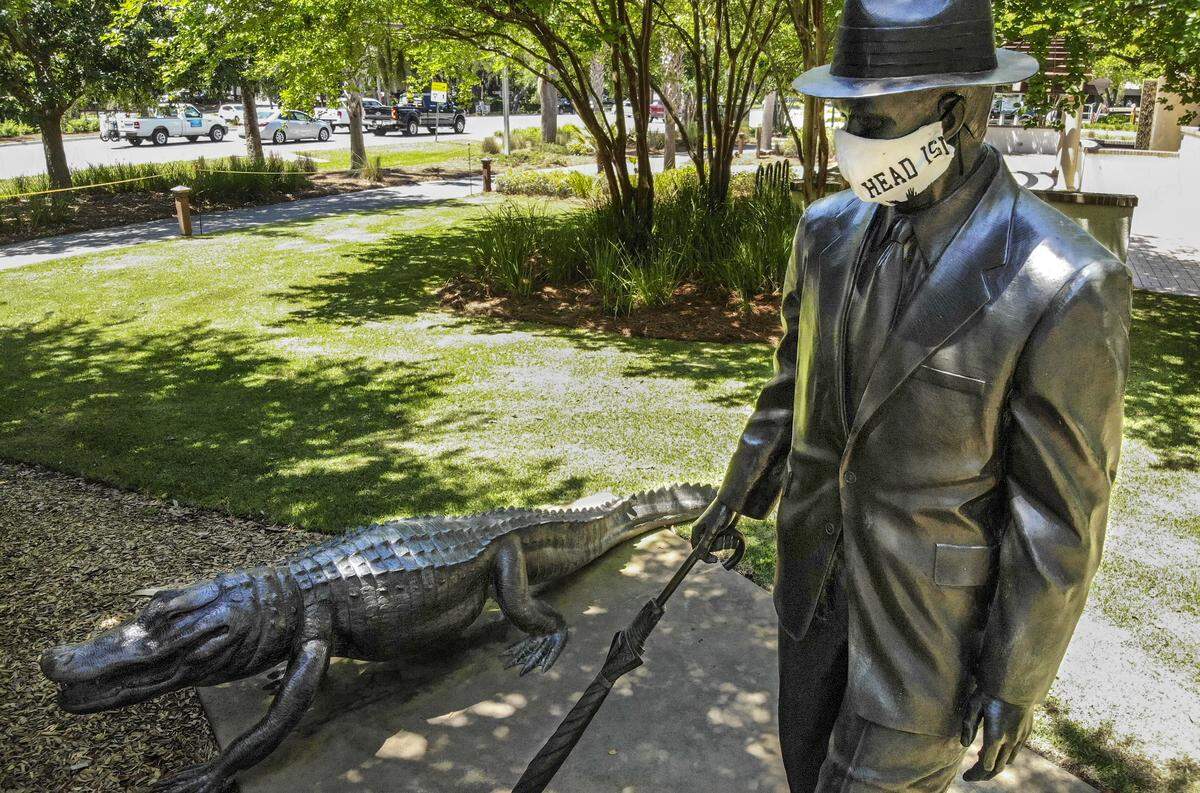
Enforcing coronavirus rules
Because the town relies on the Beaufort County Sheriff’s Office for law enforcement, several of the town’s actions during the pandemic have been weakened.
On Hilton Head Island, Sheriff P.J. Tanner has a contractual relationship with the town to provide law enforcement — an agreement that has been contentious at times in the past year.
“Relying on the sheriff works under most normal, pre-covid conditions, but the sheriff does not report to the town,” Risa Prince, a Port Royal Plantation resident and co-founder of the Coalition of Island Neighbors, said Monday. “He made it abundantly clear that he was taking his orders from the governor and the governor only.”
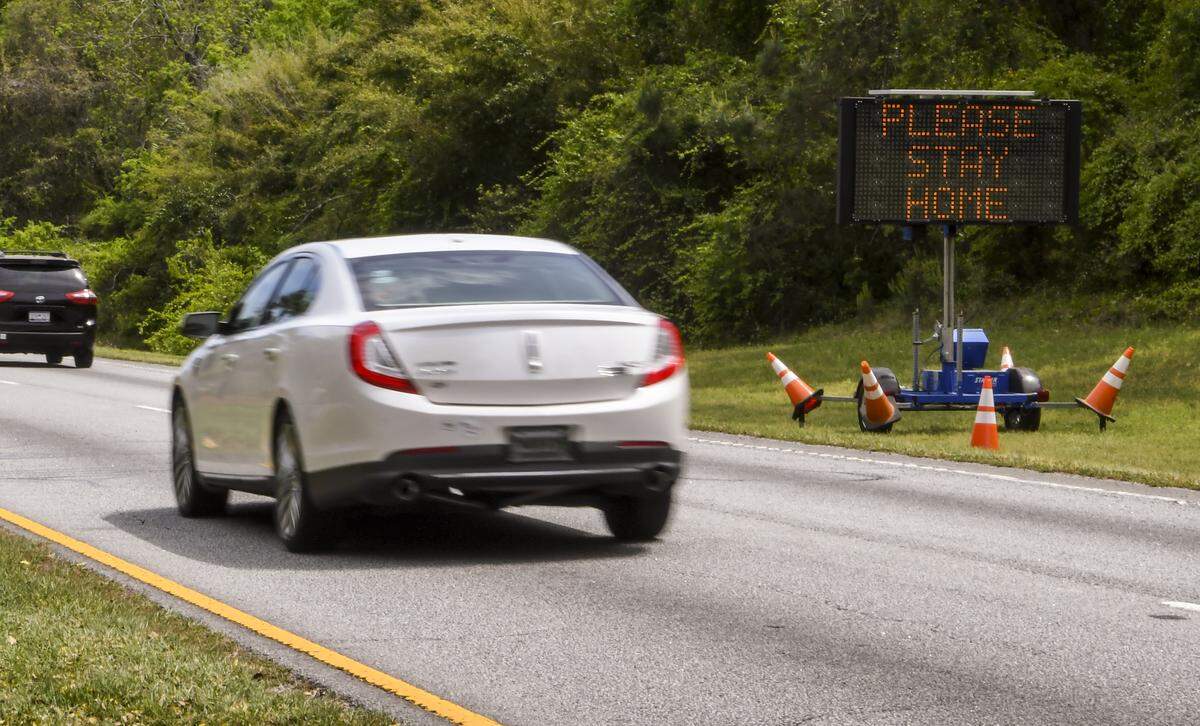
Early in the pandemic, residents pressured town officials to issue their own “shelter-in-place” order to keep people from congregating in stores or on the beach. Several council members agreed.
At a March 27 news conference, Tanner said that sheriff’s deputies must enforce state laws over local ones during a state of emergency, and he wouldn’t be able to enforce a town shelter-in-place ordinance. Tanner said such an order would contradict S.C. Gov. Henry McMaster — who at the time had not issued a stay-at-home order.
The town council heeded that warning, and instead approved a letter of support for a statewide shelter-in-place order, which came from the governor April 6 in the form of a “home or work” order.
South Carolina was one of the last states to issue some form of a shelter-in-place order.
Limiting Hilton Head short-term rentals
During an April 8 teleconference with Chamber of Commerce leaders, Town Manager Steve Riley said the town would use education and then “gentle persuasion” to try to enforce an ordinance the council passed the day earlier that encouraged short-term rentals to “cease and desist” reservations for two months.
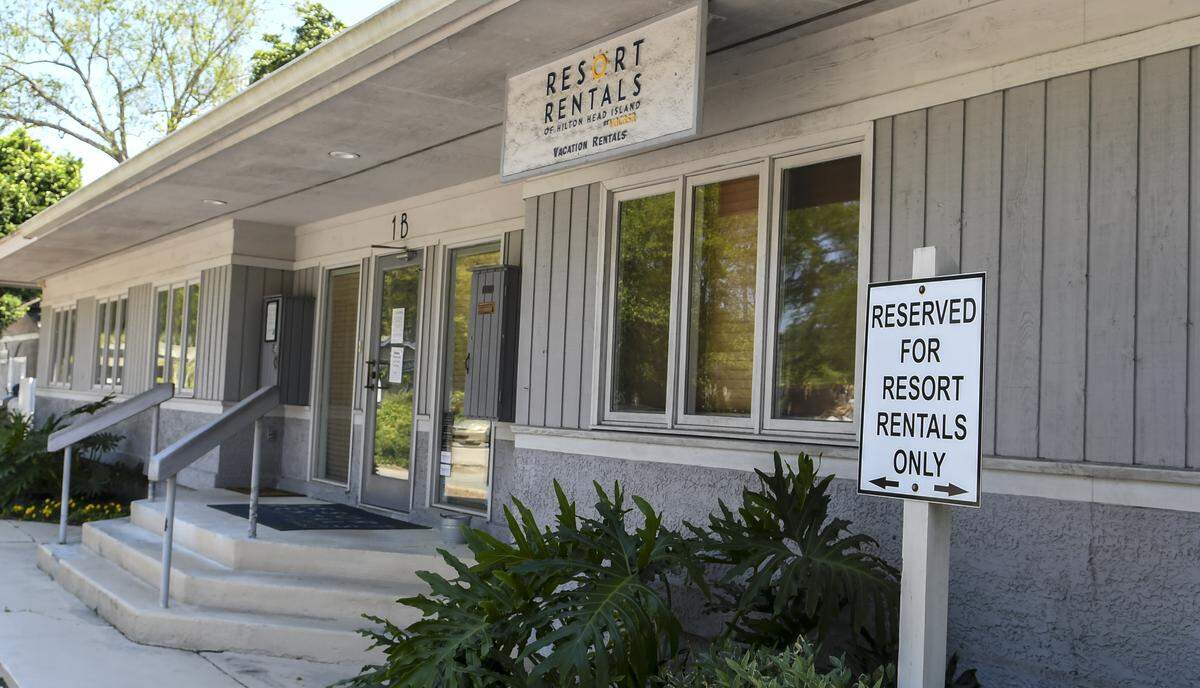
That ordinance did not live long.
Town council members reversed it two days later, using the sheriff’s office as a defense. At least one member said the reversal was also due to a “massive threat of lawsuits” from rental owners.
“Without true enforcement the ordinance is … only a statement of hope,” Ward 3 representative David Ames said at an April 10 meeting. “I wish we could enforce the ordinance.”
Mayor John McCann, who introduced the measure to repeal the short-term rental closure, said it was necessary after the town learned about the “lack of enforcement and new information.”
A lion’s share of rental companies agreed not to accept new reservations for several weeks prior to the town’s about-face, but renters with existing reservations were allowed to visit the island for several weeks.
Soon after, rental companies reported a total slowdown of arrivals as other states limited travel in response to the coronavirus, and McMaster required anyone arriving from a virus hotspot to self-quarantine for two weeks upon arrival in South Carolina after March 27.
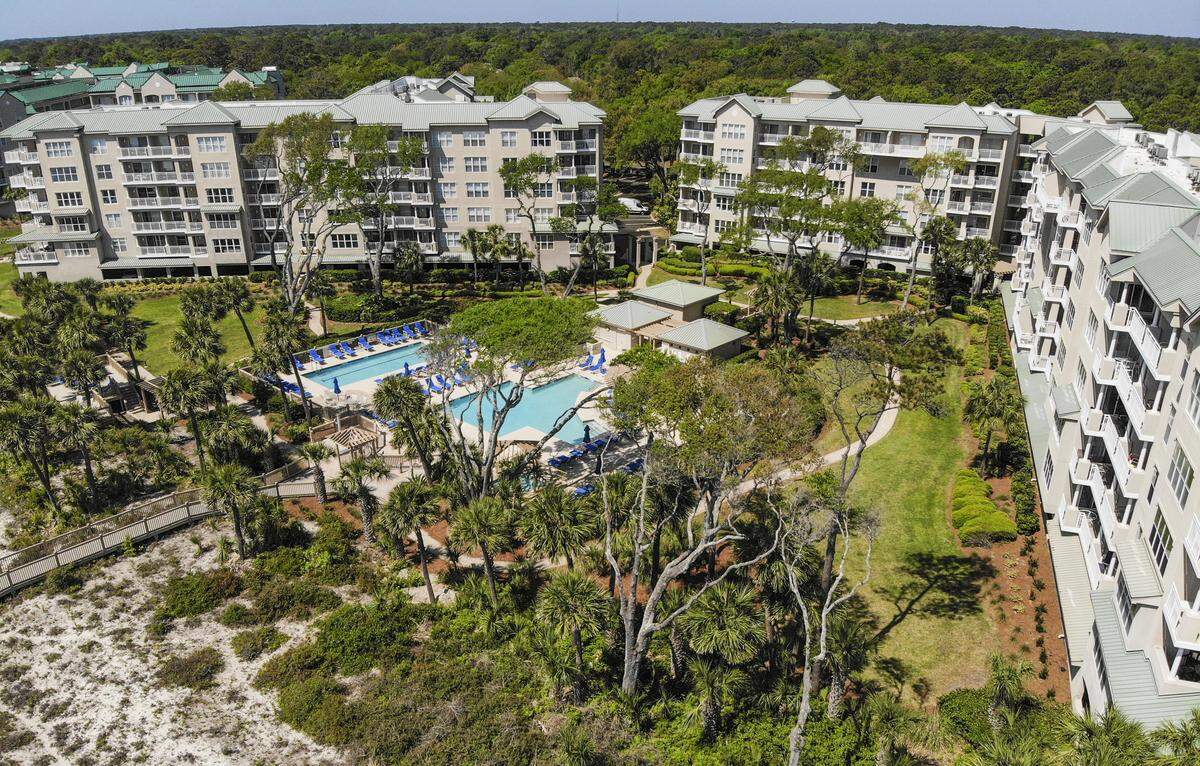
Closing beaches and bridges
As Hilton Head residents became outraged at the appearance of cars with out-of-state license plates traversing the island, over 5,000 people signed a petition asking town council to order non-residents to leave the island and prohibit all short-term rentals.
The petition was circulated by Coalition of Island Neighbors, and co-founder Prince said her group was essentially shut down when it asked for more restrictions and a task force to evaluate the coronavirus’ potential on the island.
On April 3, town manager Riley fired back at the suggestions during a town council meeting.
He said “the middle of the battle is no time to add complications to the decision-making process,” and that a task force could “create more layers of oversight and second guessing.”
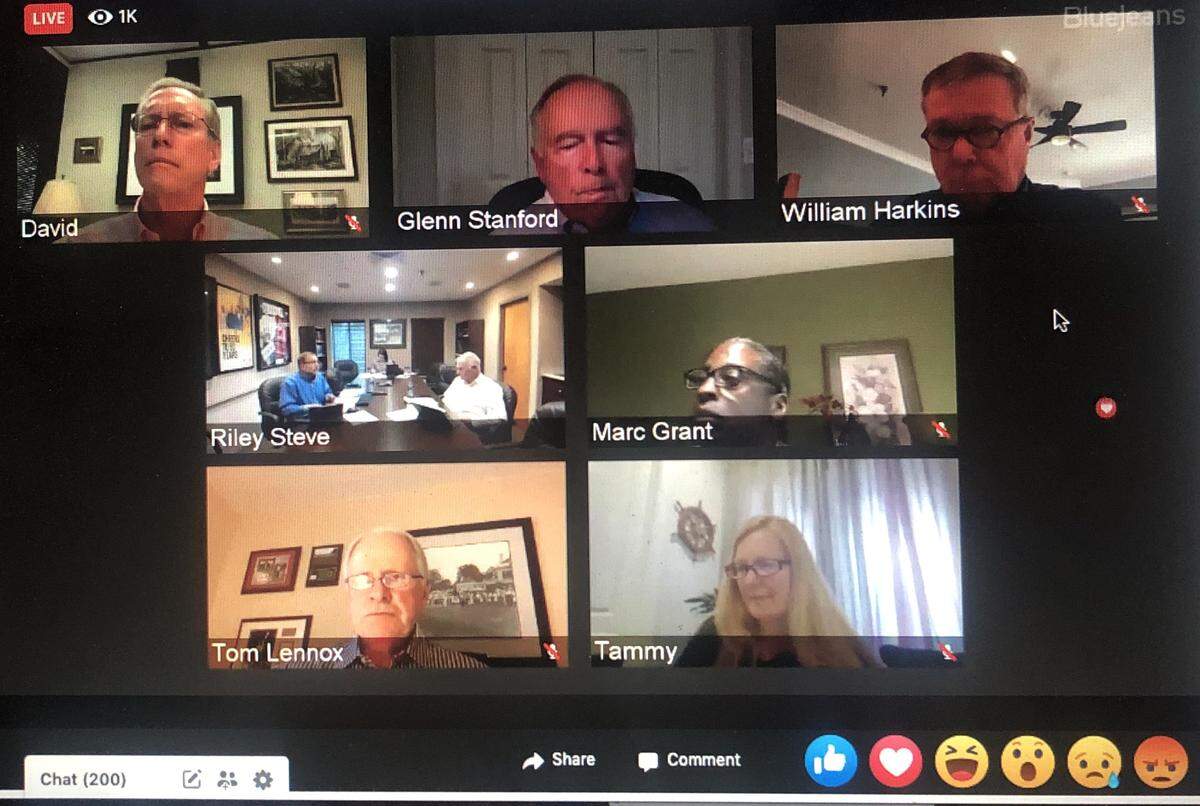
He pointed to the town’s emergency management team, which has handled “hurricanes and ice storms” in the past.
But people have also criticized the town’s limited government, in philosophy and practice. They want the beaches and the bridges to the island closed.
After being bombarded with requests early on to close the island to tourists like some North Carolina counties, Riley said he didn’t have the authority to close the state-owned U.S. 278 and public beaches.
“It is not our choice to close” the bridge, Riley said March 19. “Moreover, I don’t have the resources to close it. You can’t just close it and trap everyone here and on the other side.”
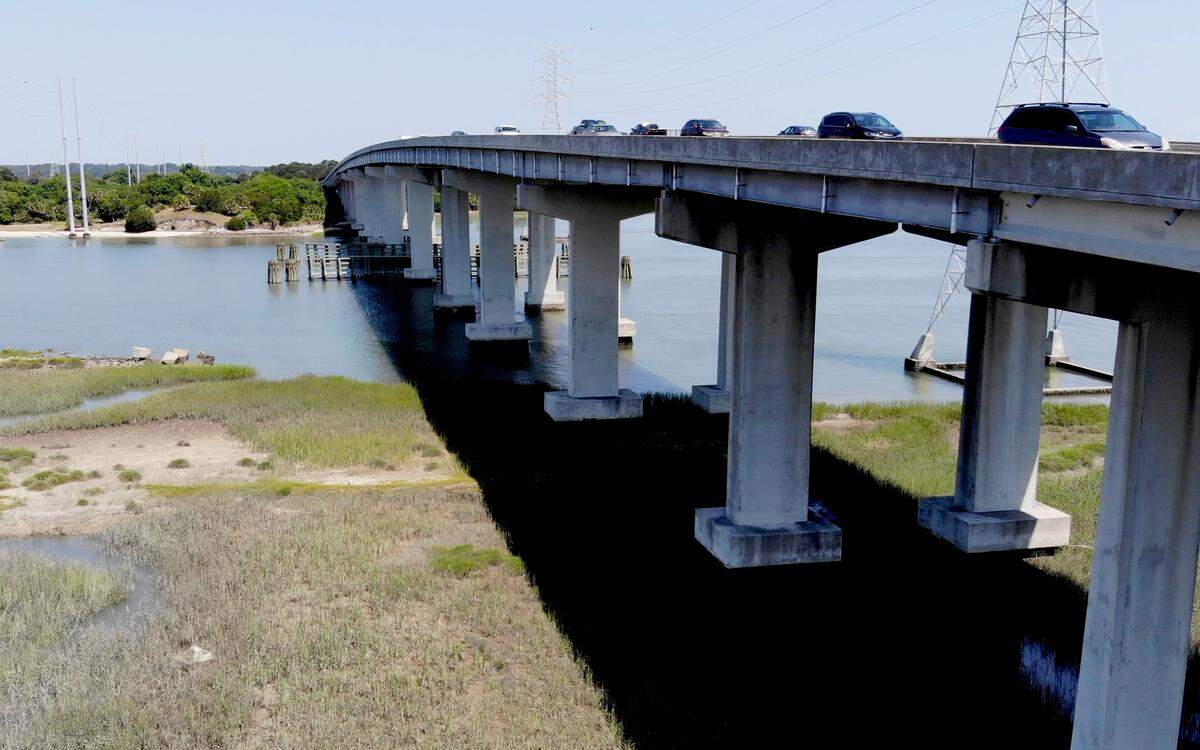
Although all beaches on Hilton Head are public, the town has been able to close only public beach access points, as opposed to all beach accesses and the beaches themselves.
This has meant barricades at public parks but free-flowing access from resorts and beachfront homes, which has infuriated residents.
Town beach access points are closed until April 30, even though Gov. McMaster allowed state beach parks to open as of April 21 at local governments’ discretion.
The town council will meet Tuesday to decide whether to extend the closure.
Changing needs? Or just reaction?
Riley said Monday that the desire for more government intervention represents a stark departure from the reason many choose to retire to Hilton Head Island.
“Two months ago everyone wanted lower taxes, now they want the SWAT team reaction to minor infractions,” he joked.
He said that while many are happy to leave the high taxes in large cities with public health departments and public hospitals, “those high taxes provided some services we don’t get down here.”
“You miss all those services you had before up there, but you left that,” he said.
Prince and others see the coronavirus as a time for introspection — and perhaps referendum.
“This pandemic is going to be an inflection point for the world,” she said. “There will be the way we operated pre- COVID-19, and then there will be a new normal.”
When the town and its residents reflect on what worked during the pandemic with an eye toward improvements, Prince said, “I’d put everything on the table.”
This story was originally published April 28, 2020 at 4:00 AM.