Controversial $2M Hilton Head marketing deal is likely to go back to the chamber
Hilton Head Island’s leaders are looking to the Hilton Head Island - Bluffton Chamber of Commerce once again to handle the town’s marketing, despite repeated complaints about the chamber’s secrecy and lack of accountability in spending millions of tax dollars.
The town council plans to vote on a marketing vendor as soon as Dec. 17. But officials say the contract hasn’t been written, and no one will say what is expected to change.
Elected leaders and residents have repeatedly complained over the past year that the chamber doesn’t provide details about how it spends tax money. In its 2018 budget and marketing plan, for example, it lists $231,000 for social media and $210,000 for public relations without specifying where that money will go.
The chamber’s current contract determines its success by 12 metrics, including revenue per hotel room rented, occupancy rate and visitor spending studies — all of which former Mayor David Bennett and a cadre of council members called difficult for the public to understand.
Their frustration led town leaders to scrap their five-year “handshake deal” with the chamber last year so they could solicit applications from other firms for the town’s $2 million contract to market the island.
But only one other organization — Charleston-based Ashley Adorno with the Harbor Entrepreneur Center — responded to the call to take over marketing duties, which would be paid for with tourism taxes.
On Tuesday, the town’s finance committee recommended giving the job back to the chamber.
The dispute between Hilton Head and the chamber is important because the chamber is responsible for making sure tourism thrives on the island. Tourism is among Beaufort County’s largest industries, bringing in $1.48 billion.
Hilton Head, the Town of Bluffton and Beaufort County provide 40 percent of the chamber’s $8.2 million marketing budget, but without an accounting of its spending, it’s hard to tell how successful the marketing effort is.
.jpg "Screenshot (336).jpg")
No contract yet
There is no contract written for marketing services. Finance committee chair Tom Lennox said Tuesday that the chamber, if tapped by the council for marketing duties, will be part of the group that negotiates the new contract with the town.
But if the chamber is already chosen for the contract, it has no incentive to change the language requiring more accountability and transparency on how the chamber spends $2 million in tax dollars from Hilton Head each year.
Lennox said it’s normal for the vendor to be part of the negotiations with the town. But he has often said he doesn’t see a problem with how the chamber fulfills its duties. He said Wednesday that he can’t say what may change in the contract because nothing has been discussed yet.
Lennox said he’d use the current contract, which he has long supported, as the basis for the new one — the very document that prompted complaints about the chamber’s lack of transparency.
“As chair of the finance committee I’ve got that document as my guardrails, and I think they’ve done a very effective job in complying with it,” he said. If a majority of council members or residents don’t agree, Lennox said, he would be happy to discuss changes.
In August 2018, former Mayor Bennett and at least one council member suggested the chamber release detailed quarterly spending reports to the town and the public.
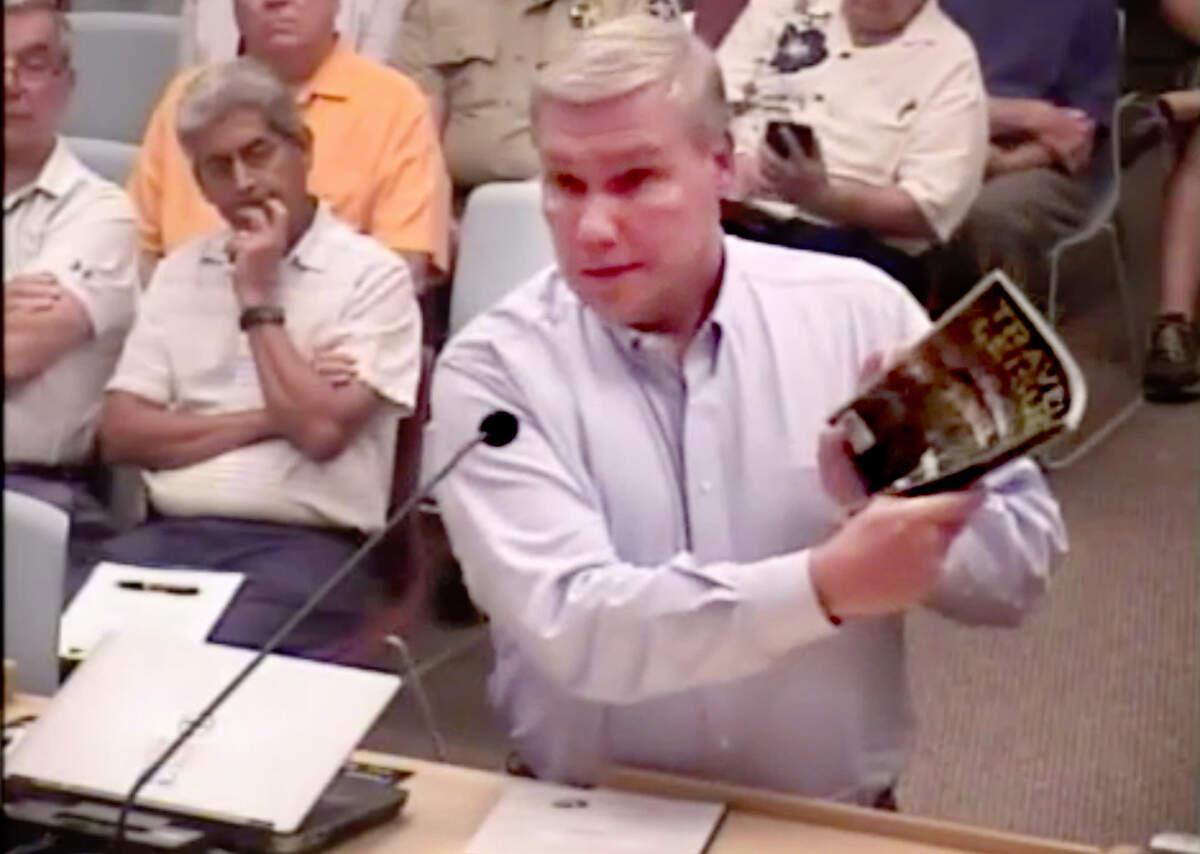
Miles, the chamber CEO, maintained that the chamber allows council members to review receipts each year but that it should not release the deals the chamber gets from media and advertising partners because it must stay competitive.
He has often cited a 2018 State Supreme Court ruling that the chamber is not a public entity and does not have to report its spending, although it spends public money to advertise Hilton Head Island to tourists.
In October, County Council member Mike Covert, who is running for Congress, asked the chamber for a plethora of documents that would show how the chamber spends tax money received from the county, town and state.
He said the failure to report spending was illegal.