6,000-year-old figurine found in Poland called discovery of the century. See it

Two and a half years ago, someone in the Polish city of Kołobrzeg discovered an unusual chunk of rock.
The stone had been carved into a simplistic figure of a woman, and it was shown to a member of the Parsęta Exploration and Search Group.
The find made its way in front of an archaeologist who learned more about how the figure was discovered and where it came from. The archaeologist realized its importance and alerted the Polish Arms Museum about the discovery.
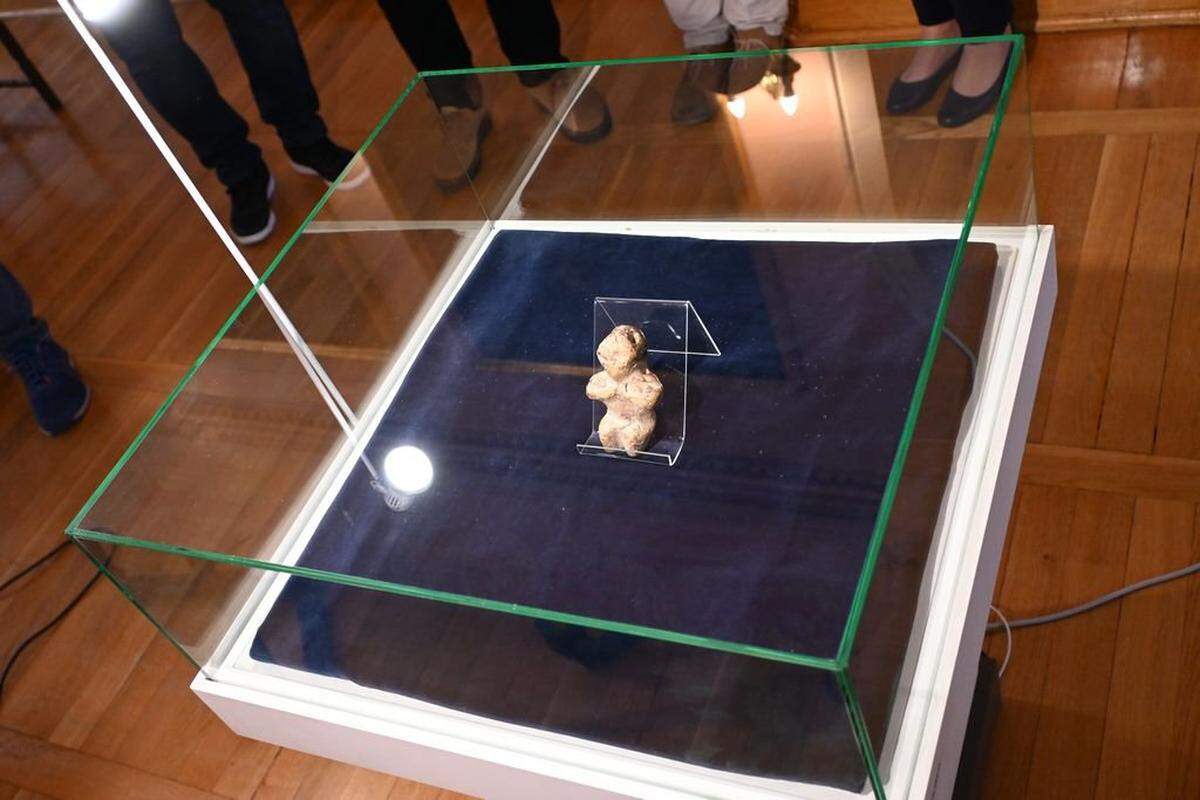
Now, the figurine has been shown to the public for the very first time, and it’s being called the discovery of the century.
The figure dates to the Neolithic period, at least 6,000 years ago, officials said in a June 13 news release from the Polish Arms Museum in Kołobrzeg.
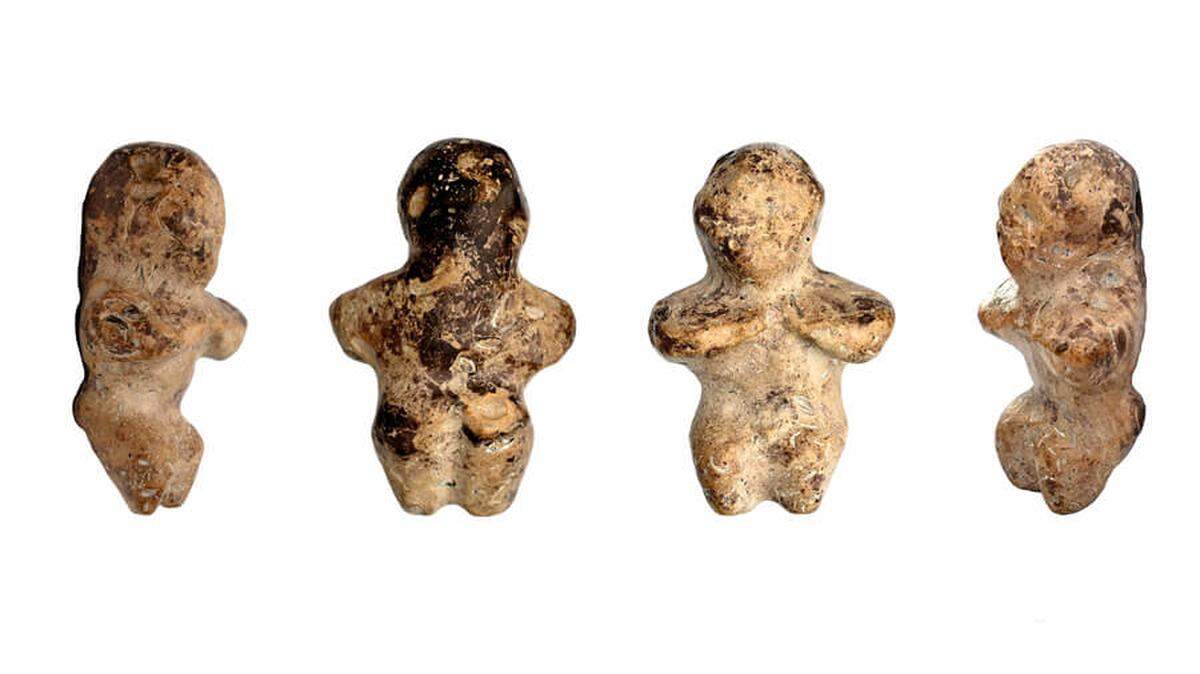
It was named the Kołobrzeg Venus and is made of limestone, the museum said. The stone itself has fragments of shells, snails and other marine creatures embedded in its material.
It is about 4½ inches tall and is carved with distorted proportions and sexual characteristics that make clear it is meant to depict a woman, according to the museum.
The face has no features, and the figurine’s upper limbs are only outlined, her breasts covered by bent arms. Her head and torso are disproportionately large compared to stunted legs.
The surface of the figure is overall rough, the museum said, but parts of her body have been smoothed, such as around the breasts and hips, suggesting the figure may have been stored in some kind of organic material like leather that rubbed on the stone. The figure’s back is flat, and it may have been been attached to something to keep it standing, the museum said.
While Venus figures have been found from this era in other parts of Europe, the discovery has no match in Poland, the museum said.
These anthropomorphized carvings are typical for Neolithic sites dating to the sixth and fifth millennia B.C., according to the museum. However, they are typically made out of clay and rarely found made of raw stone like limestone, sandstone or marble.
Venus statues were symbols of femininity and fertility, the museum said, and were used in rituals and ceremonies focused on fertility, survival and prosperity.
Even though the figurine itself is relatively simple, the creation of her figure would have required a high level of artistic skill, the museum said.
The Kołobrzeg Venus is under the study of an interdisciplinary team, working in part to analyze the raw material of the figurine and learn more about how it was made, according to the museum.
The figurine will become part of a permanent exhibition of the Polish Arms Museum following its analysis, according to the release.
Kołobrzeg is on the northern coast of Poland, along the Baltic Sea.
Google Translate was used to translate the news release from the Polish Arms Museum.
This story was originally published June 23, 2025 at 5:30 PM with the headline "6,000-year-old figurine found in Poland called discovery of the century. See it."