Carnivorous flying saucer creature — with ‘blade-shaped’ teeth — is a new species

While sifting through a pile of leaf litter and debris collected in Papua New Guinea, researchers caught a glimpse of a “light tan,” “len-shaped” object. It was a snail shell — and it turned out to belong to a new species.
Scientists were searching for species of carnivorous land snails known as rhytididae on the island, according to a study published Dec. 13 in the journal Archiv für Molluskenkunde. That’s when they discovered the tan colored shell and identified it as a new species: Torresiropa paterivolans.
The new species was named after the Latin words “patera,” which means “saucer,” and “volans,” which means flying, because specimens resemble “flying saucers of science fiction,” the study’s authors said.
Researchers examined more than 80 snails belonging to the species, including some empty shells, they said. The creatures were collected from Rossel Island off the southeast coast of Papua New Guinea.
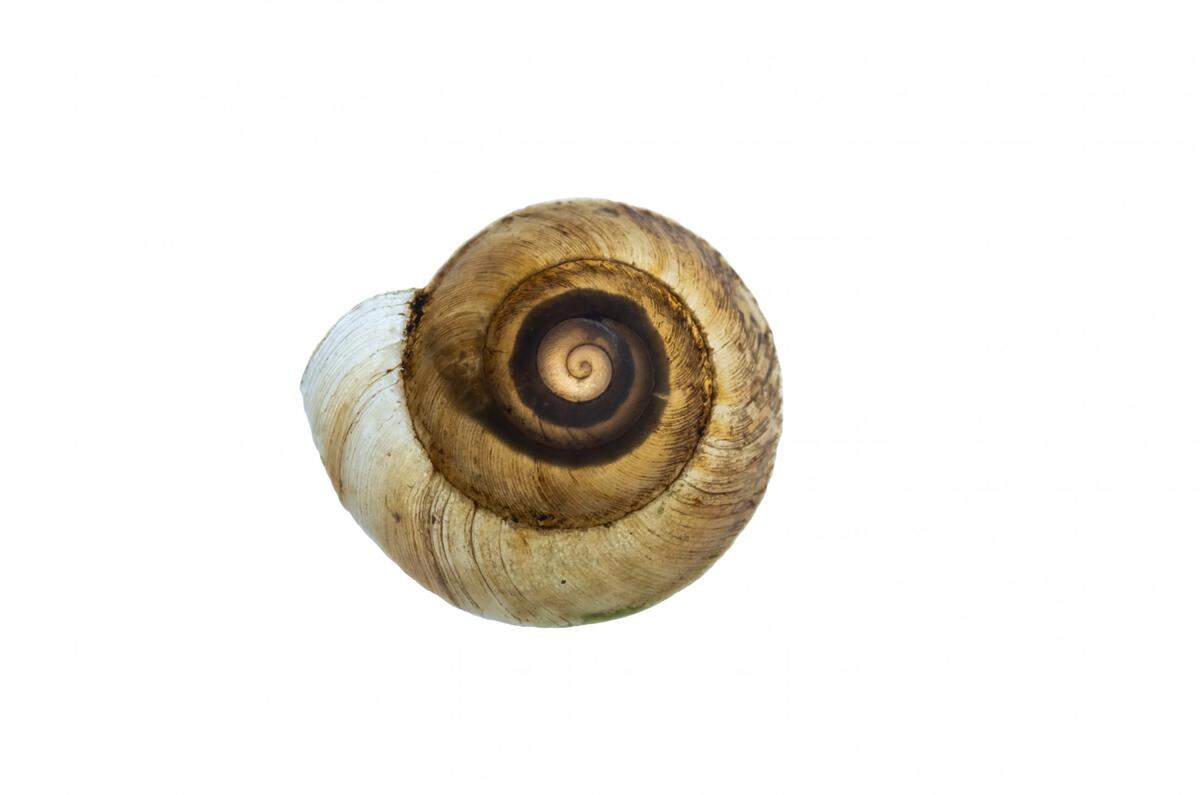
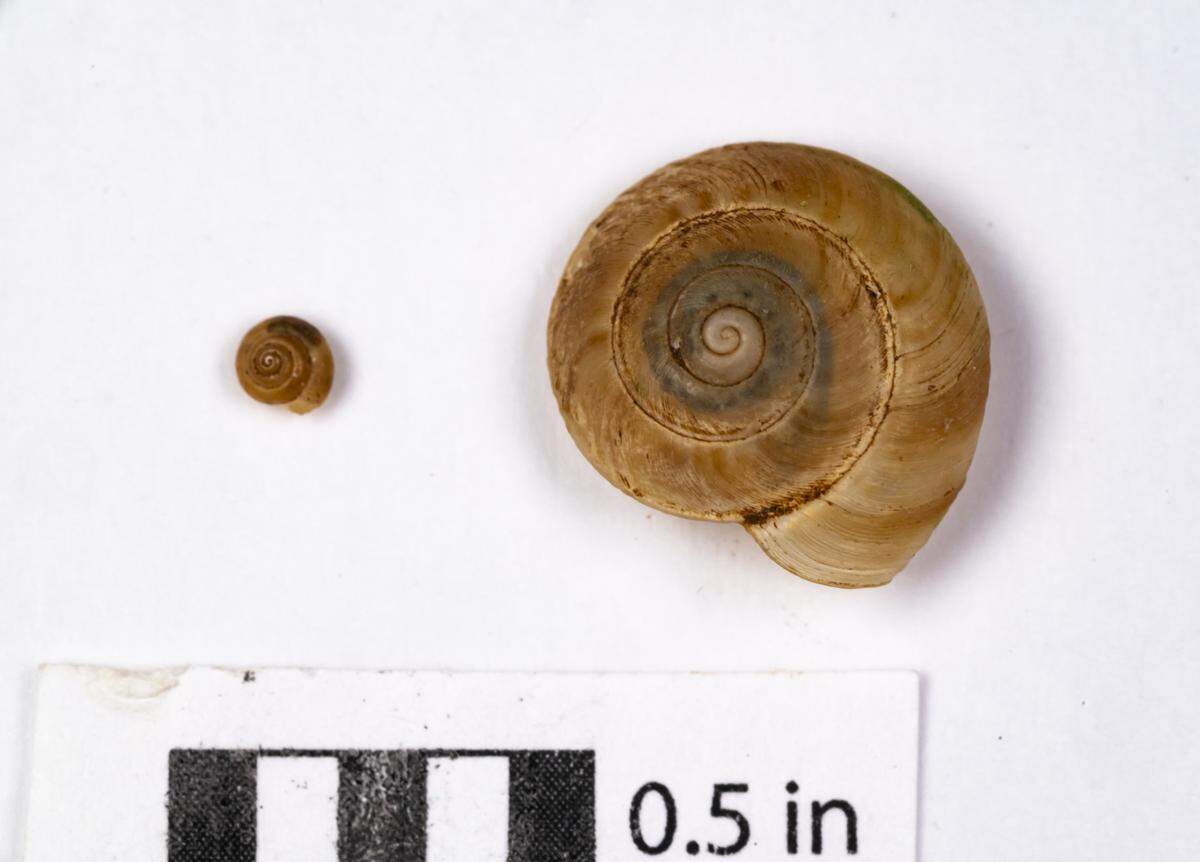
The carnivorous mollusks have a “large” shell compared to other similar species, experts said. Shells measured approximately 0.25 inches in height and about 0.56 inches in width. The “solid light tan” and “lens-shaped” shells had around 4.5 whorls, a term used to describe a pattern of spirals.
Torresiropa paterivolans’ radula — which is their tongue-like organ used to cut food before swallowing — has 41 teeth per row, according to scientists. “Small, spine-shaped central teeth” are surrounded by 20 “blade-shaped” teeth, which start out twice as big as the central teeth before getting even bigger. The surrounding teeth get smaller towards the edges of the radula.
The creatures’ diet remains a mystery,” according to a Jan. 9 news release from the Florida Museum of Natural History shared by EurekAlert.
“The shape of the teeth, combined with the fact that other species in the same family — Rhytididae — are predators, suggests that these newly discovered snails do eat meat,” the museum said.
The creatures are hermaphroditic, so they have “complete male and female reproductive systems,” John Slapcinsky, lead author of the paper and manager of the Florida Museum’s invertebrate zoology collection, told McClatchy News in an email.
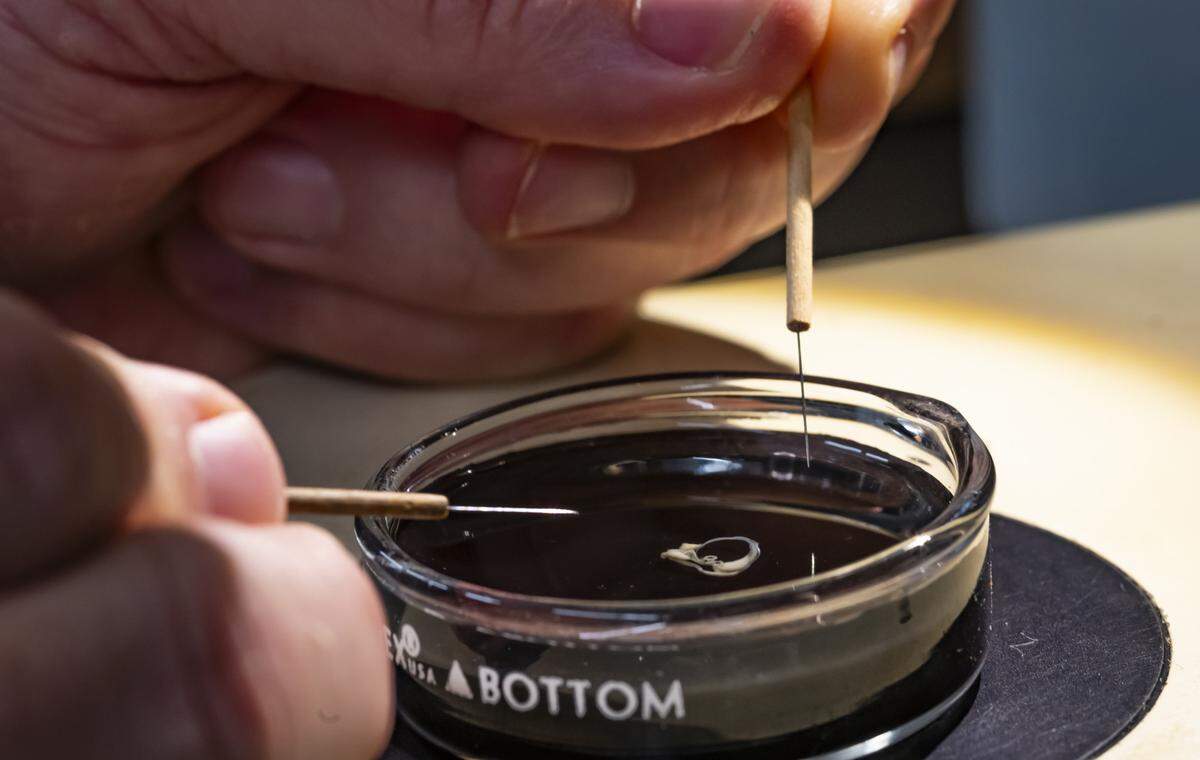
Their reproductive systems consist of a “greatly elongated” vas deferens, or sperm duct, and a “relatively long and thin” penis which is about 12 times as long as it is wide, the study said. Their oviduct, which holds their eggs, is half the length of their penis.
The snails’ penis can be turned inside out “to transfer sperm or sperm packets to the mate,” Slapcinsky said. It’s unclear if the species mates reciprocally, but that is “common in land snails,” the lead author said.
Researchers found the new species in leaf litter, and they said the creatures could easily become endangered.
“These new species of snails were found in areas that still have native vegetation and still appear to be doing well, but they could easily become endangered if things change,” Slapcinsky said in the museum’s news release. “When these habitats are threatened, snails are often out of luck, since they can’t go anywhere.”
This story was originally published January 12, 2024 at 9:35 AM with the headline "Carnivorous flying saucer creature — with ‘blade-shaped’ teeth — is a new species."