Four-eyed creature — with ‘bright red’ body — found burrowed in sand. See new species
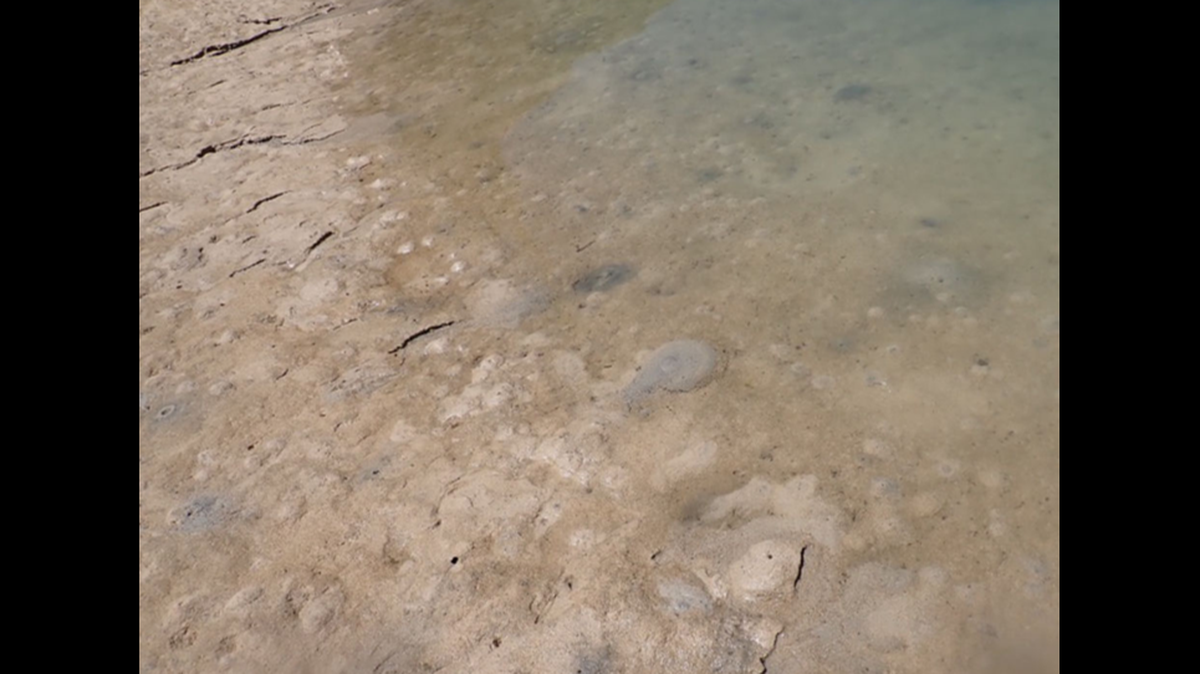
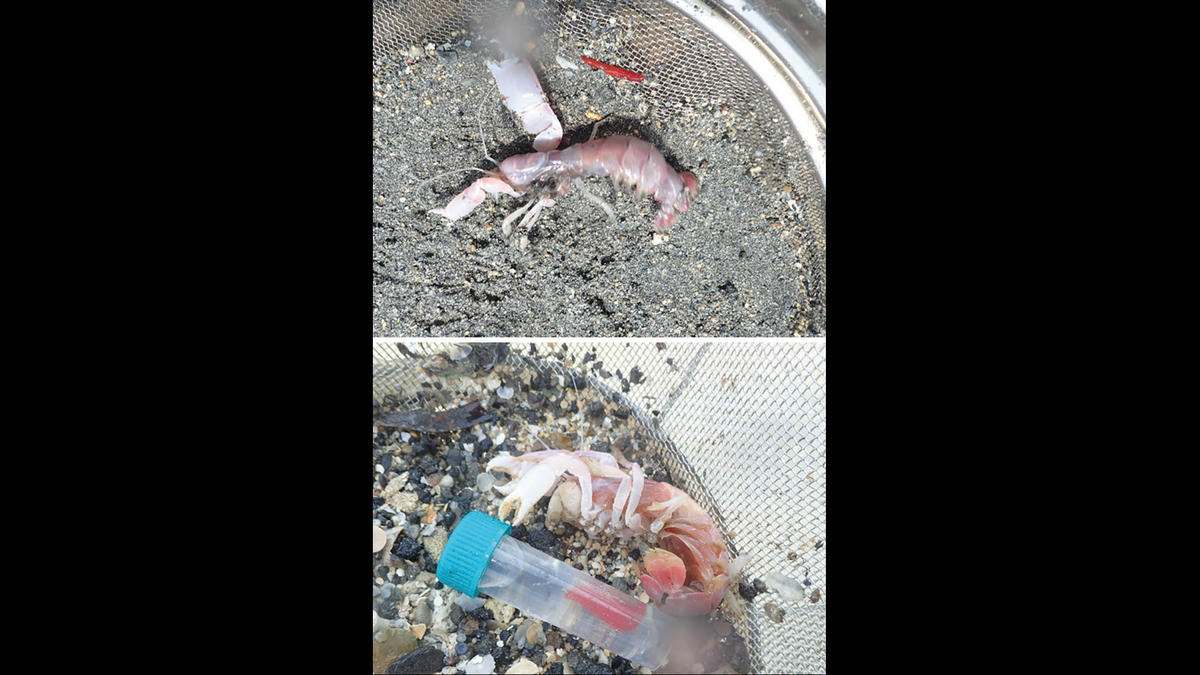
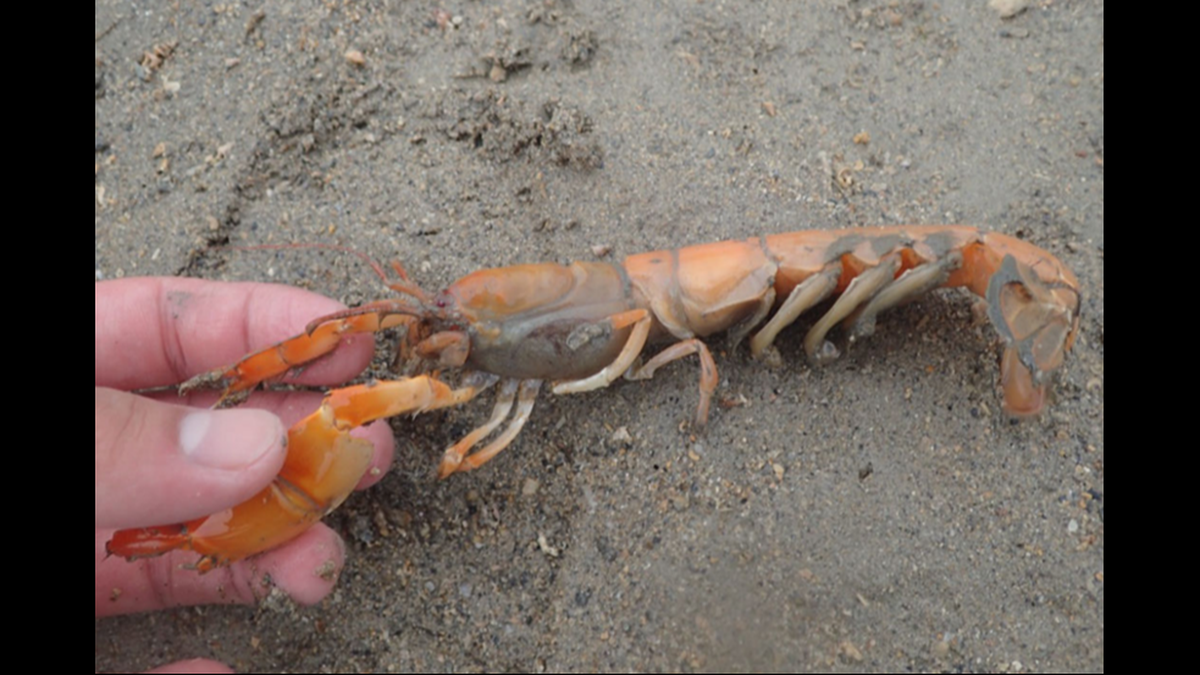
Along the shore of an island in Japan, a ghost shrimp burrows its way into the sand, making its home in a tidal flat. But the shrimp isn’t alone — it is the host to another tiny red critter.
Researchers were exploring the Ryukyu Islands when they came across the burrows, according to a study published Nov. 1 in the journal PeerJ.
They used a pump to extract the minuscule creatures within the burrows, and they discovered more than just ghost shrimp, the study said. Two new species of Hesionidae, also known as bristled worms, were found inside the burrows.
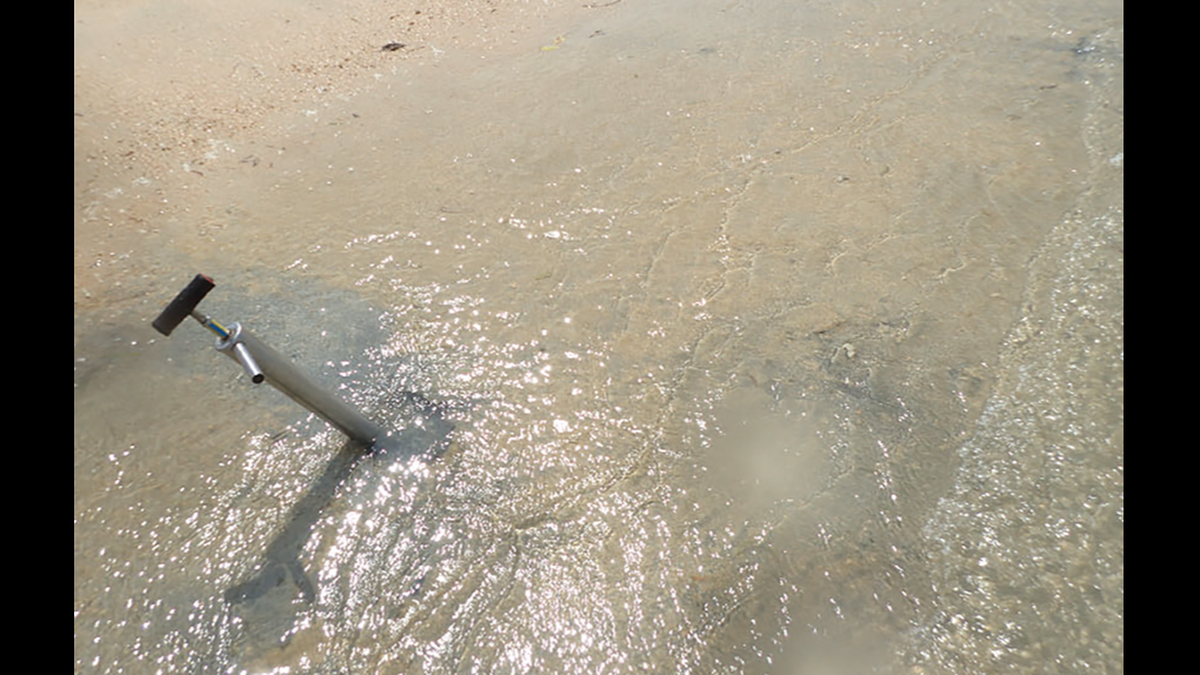
The worms, known as Parahesione pulvinata and Parahesione apiculata, were only found within ghost shrimp burrows, indicating that they have a symbiotic relationship and rely on the shrimps’ low-oxygen habitats, according to researchers.
_fitted.png "fig-2-full (1)_fitted.png")
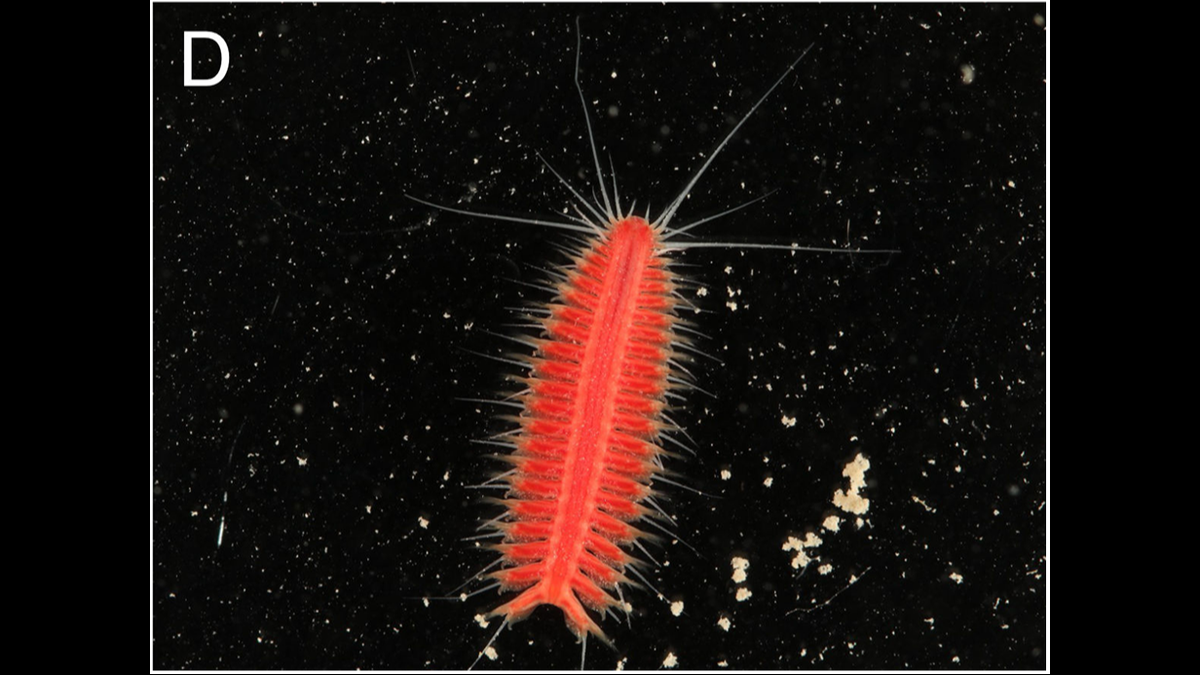
Both of the new species have flattened, bright red bodies, scientists said. When preserved, P. pulvinata becomes a pinkish color while P. apiculata turns a light orange.
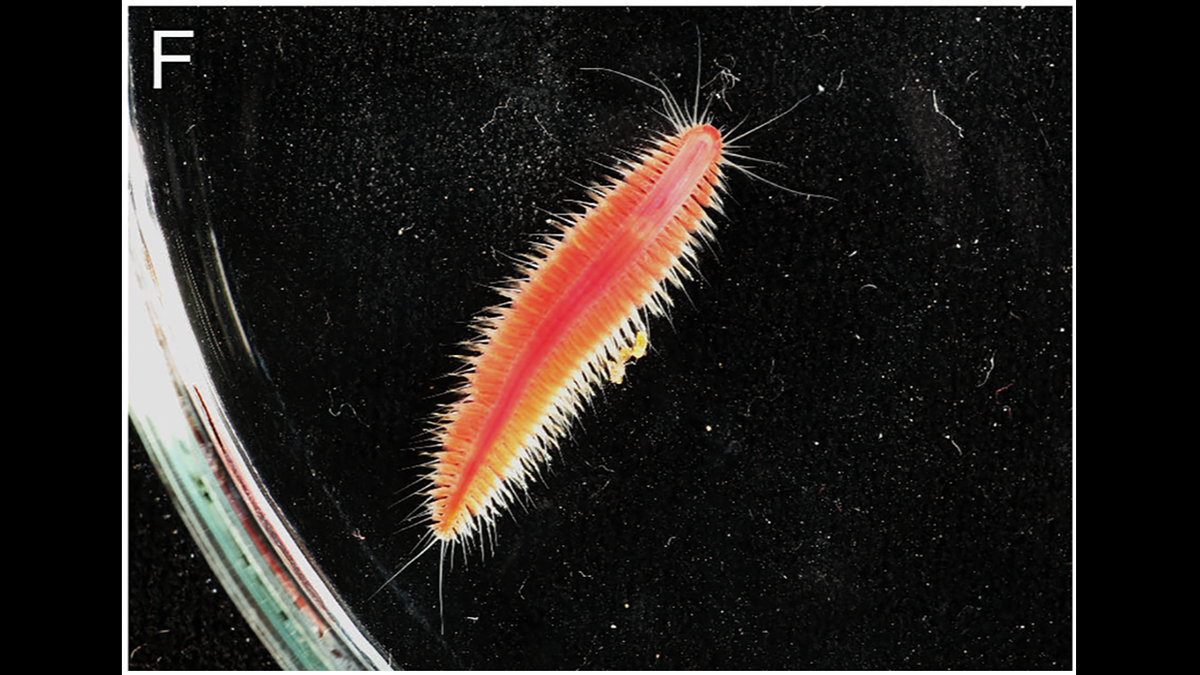
P. pulvinata has two sets of dark red eyes, the study said. P. apiculata also has two sets of eyes, but they are “inconspicuous” in life.
Researchers said the two species are distinguished from other similar species by their eight “tentacular cirri.” Cirri are “slender” appendages that often resemble tentacles, according to A Dictionary of Zoology.
P. pulvinata was named after the Latin word for cushion or pillow because of the unique shape of organs on its back, according to the study. The species is found in the Ryukyu Islands in Japan, but it is also found in Vietnam and Papua New Guinea.
P. apiculata was named after the Latin word for short pointed, also based on the distinct shape of organs on its back, researchers said. The species has only been identified on the Ryukyu Islands.
Research was conducted by Naoto Jimi, Hiroki Nakajima, Taigi Sato, Brett C. Gonzalez, Sau Pinn Woo, Greg W. Rouse and Temir Britayev.
This story was originally published November 3, 2023 at 9:55 AM with the headline "Four-eyed creature — with ‘bright red’ body — found burrowed in sand. See new species."