Ancient marble piece is perfect match for artifact found years ago. What do they mean?
More than 2,400 years ago, ancient Roman people established an armed camp at the mouth of the Tiber River.
Known as Ostia Antica, the settlement eventually grew into a “flourishing commercial center” that was crucial to the Roman empire’s expansion. At its peak, sometime during the second century, the city evolved into a commercial harbor and underwent a period of rebuilding.
Now, the ancient city is the site of a rich archaeological park, according to its website.
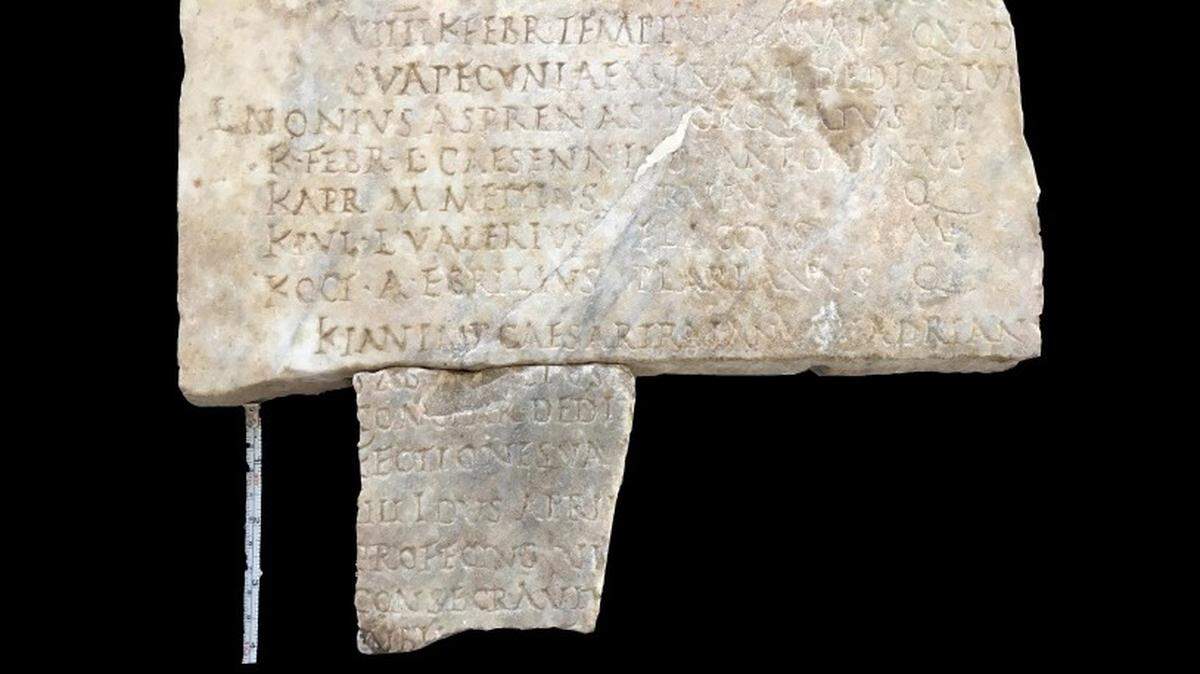
Researchers exploring the site recently made a fascinating discovery: two new fragments of marble, one of which is a perfect match for another piece discovered years ago.
Here’s what archaeologists found during their latest excavations.
The Fasti Ostienses: A perfect match
The two fragments of the Fasti Ostienses were discovered during the second excavation of the “OPS — Ostia Post Scriptum” project, according to an Aug. 14 news release from Italy’s Ministry of Culture.
In ancient Rome, a fasti was “a sacred calendar” or historical record, according to Britannica. Archaeologists said the Fasti Ostienses appears to be a record from between 126 and 128, following the emperor at the time, Hadrian.
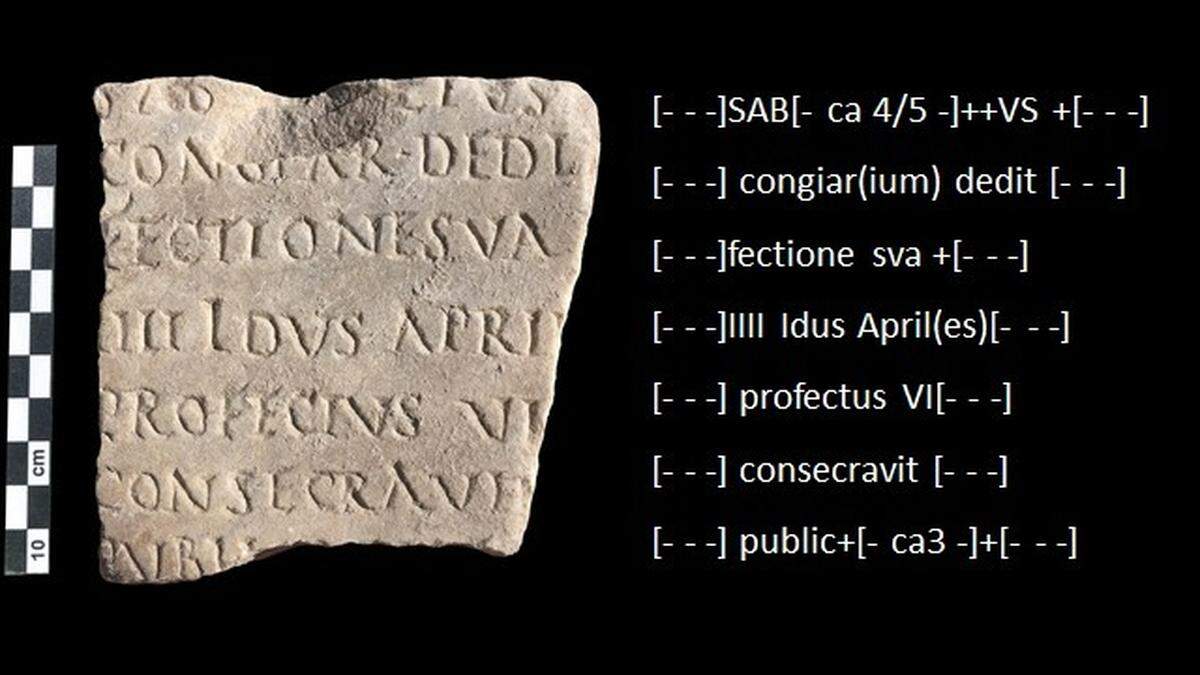
The marble pieces were discovered in what was once the Forum of Porta Marina, a large rectangular building surrounded by porticos, experts said. At the center of the site is a base that appears to have been the support for a fountain or statue.
One of the pieces recently discovered matches a fragment previously found and provides insight into events that took place in Rome in 128, archaeologists said. The slab explains that on Jan. 1, 128, Hadrian and his wife assumed new titles and offered their people a celebratory donation.
Archaeologists said the slab also tells of Hadrian’s activities later that year. The emperor left for Africa in April, then he returned to Rome before going to Athens. While in Rome, he consecrated a building — either the Pantheon or the Temple of Venus and Rome.
Excavations at a new site
Archaeologists also conducted excavations in a new area of the park.
They discovered an area of about 4,300 square feet made up of several rooms, ministry officials said. Inside the rooms, a trove of ceramic and marble artifacts were discovered, as well as the remains of original decorations and black and white mosaics.
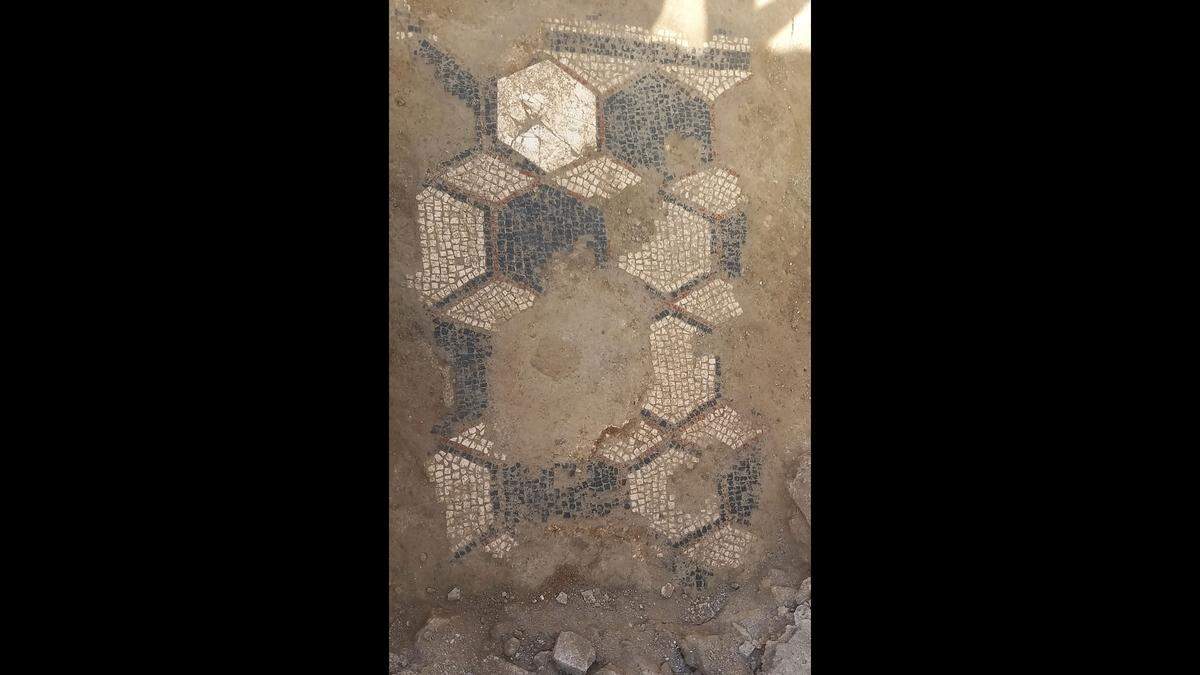
A portico with pillars decorated with a well-preserved mosaic floor was also unearthed, experts said. The floor’s complex design depicted square and cross shapes, braid motifs and floral elements.
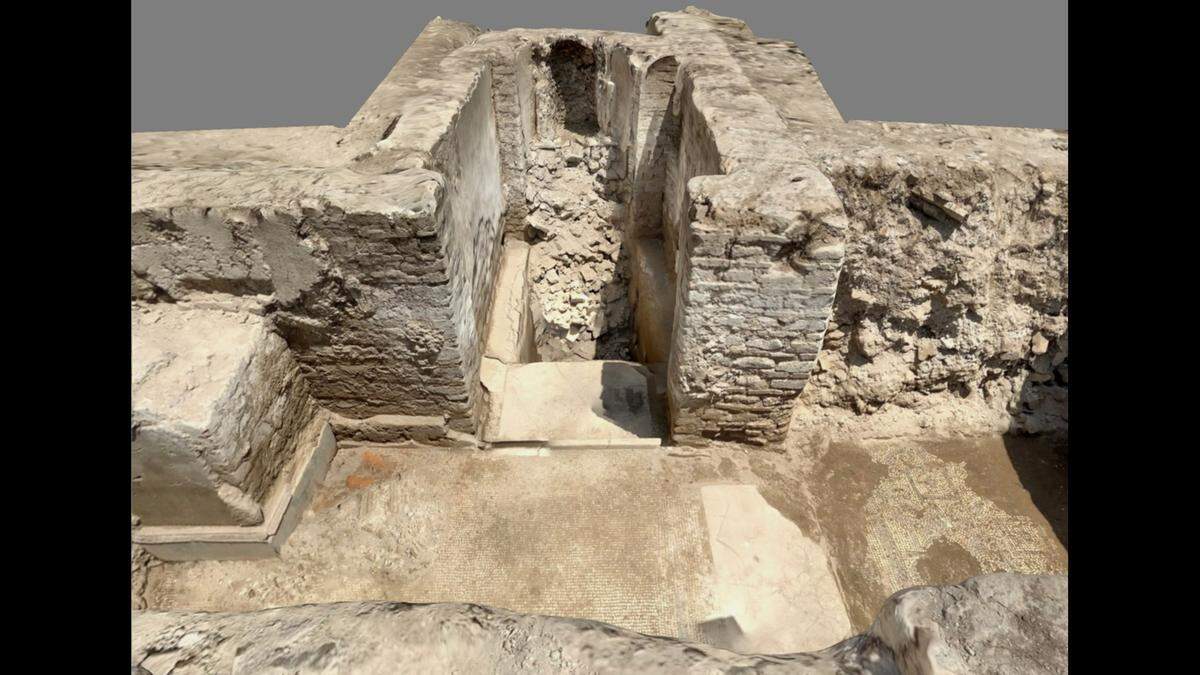
On the west side of the excavation, archaeologists said they discovered a narrow room beneath four steps. The semi-hidden room — which is framed by two columns covered in sea shells — was likely used as a sacred or ritual space.
Ostia Antica is about 20 miles southwest of Rome.
Google Translate was used to translate a news release from Italy’s Ministry of Culture.
This story was originally published August 18, 2023 at 12:33 PM with the headline "Ancient marble piece is perfect match for artifact found years ago. What do they mean?."