Island estate reveals forgotten ‘model’ for sugar plantation slavery — and resistance
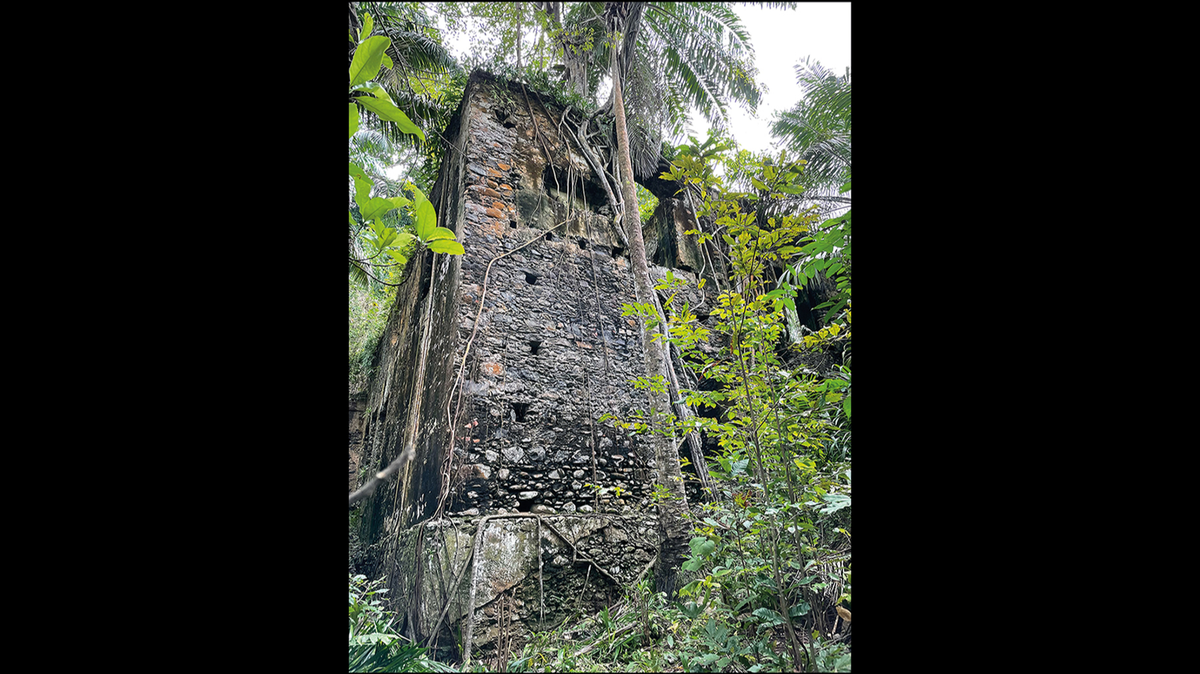
Overgrown with vines and obscured by trees sits a crumbling yet commanding structure. Situated on the largest island in the central African country of São Tomé and Príncipe, the centuries-old structure is a forgotten part of a “bitter legacy.”
Praia Melão is the “largest” — and the only known — “sugar mill and estate in São Tomé,” according to a study published Aug. 14 in the journal Antiquity. The estate was built in the 16th century and originally used for sugar production.
During this period, São Tomé was a Portuguese colony and a trade port for “gold and enslaved people” coming from mainland Africa, about 140 miles to the east, researchers said. Simultaneously, the island’s sugar production took off. For a brief period, São Tomé became the leading producer and supplier of sugar for European markets.
”The labor-intensive nature of sugar production spurred the importation of far greater numbers (of enslaved Africans), mainly from Benin, Kongo and Angola,” the study said. Soon, “São Tomé became the first plantation economy in the tropics based on sugar monoculture and slave labor.”
This “model” for sugar plantation slavery would later be “exported to the New World where it developed and expanded,” researchers said.
The Praia Melão sugar mill was part of this system of sugar production. The estate has one main building with two stories, the study said. A photo shows one of the remaining walls. It has a distinct horizontal line splitting it in two.
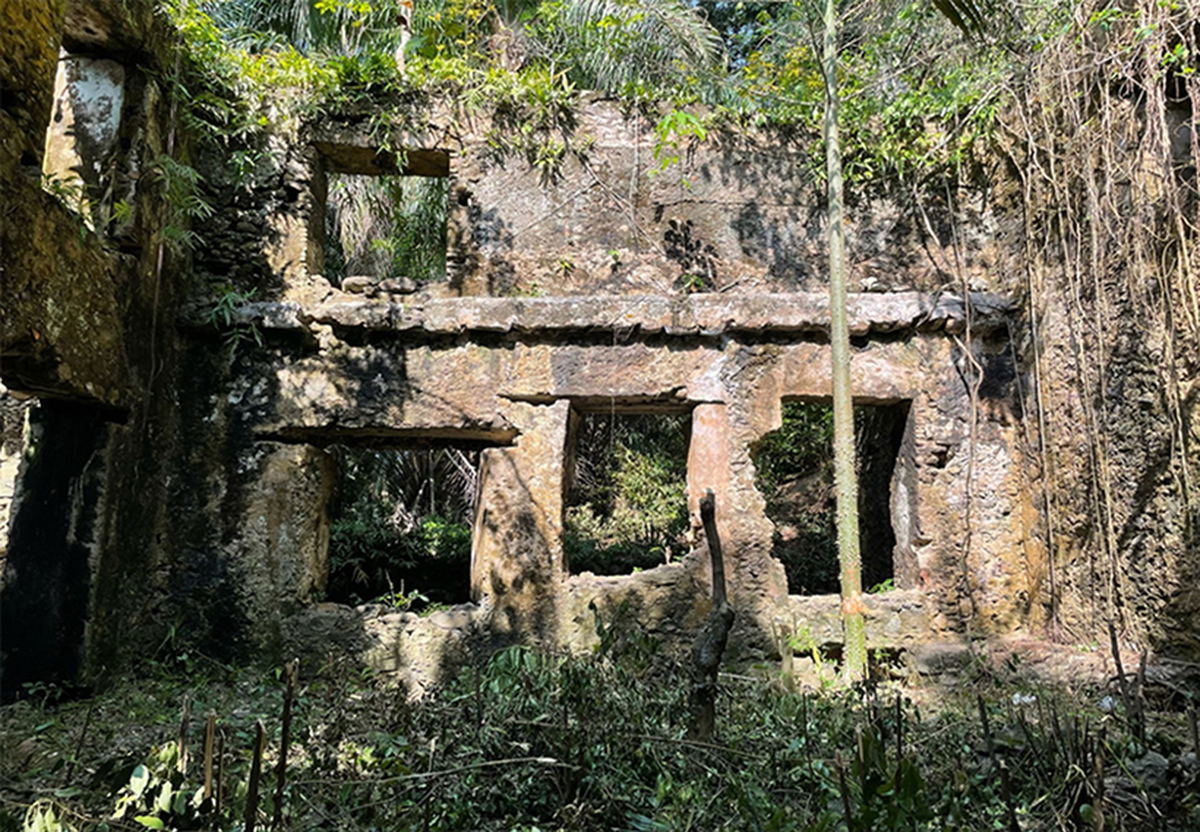
Downstairs, archaeologists identified a large room where the hydraulic mill was housed and another room with burn marks likely left from sugar boiling. They also found remnants of sugar production in the form of sugar mold fragments and part of a press.
“Sugar production was a very complex process,” co-author Dores Cruz told McClatchy News. Sugarcane was grown and harvested then pressed “to obtain sugar syrup. The syrup was boiled in large cauldrons … to crystallize the sugar. After boiling, the sugar was put into conical earthenware molds, which had drainage holes at their tips so that the molasses could drain and the sugar hardened.” The “cone-shaped mold used to refine sugar” are referred to as sugar molds, she said.
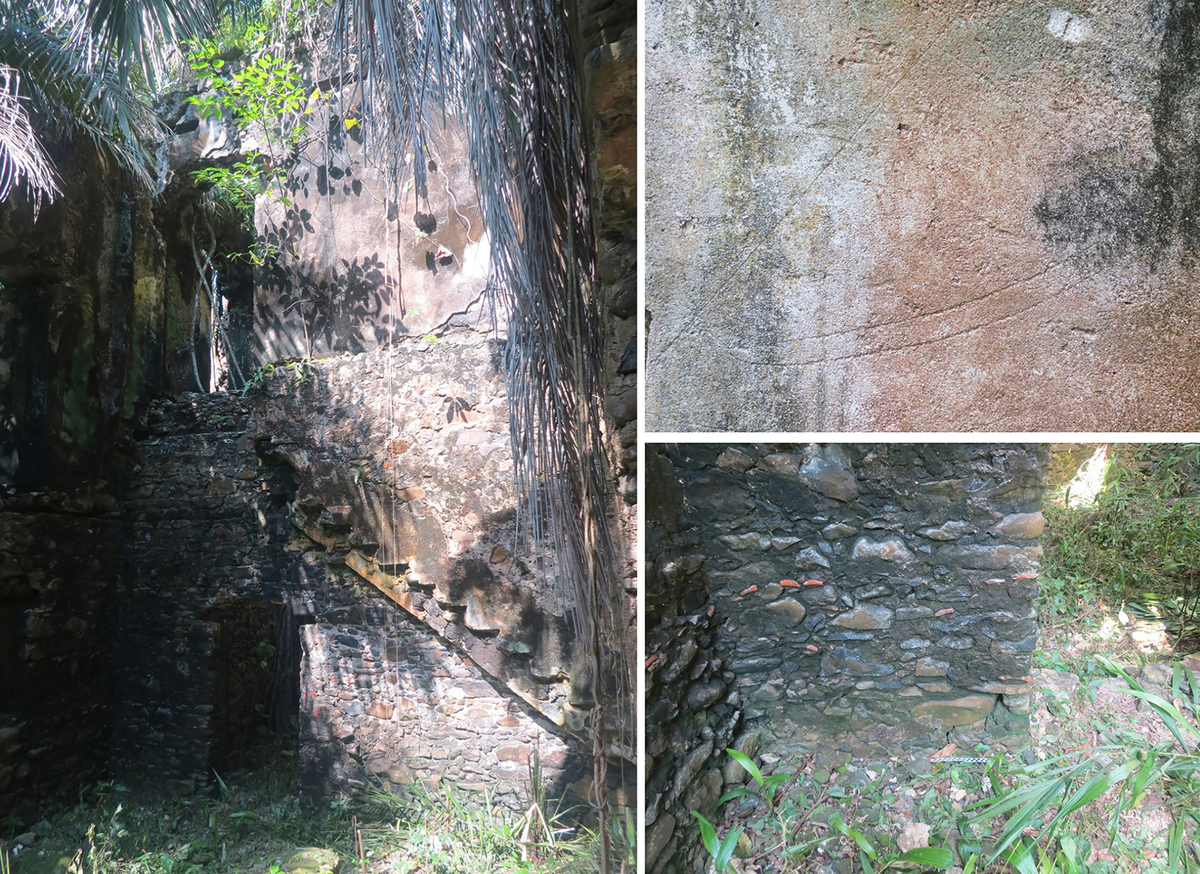
On the upper floor, researchers identified the living quarters for those running the plantation. The space had “wall cabinets, balconies, and windows that allowed surveillance of the working areas,” the study said. The kitchen and quarters for enslaved workers have not yet been located.
São Tomé’s sugar production began to decline by the 17th century due to “extensive” resistance and insurrections among enslaved workers, researchers said.
Praia Melão survived by shifting to alcohol production and eventually cassava flour production, the study said. The estate was abandoned in the 19th century and largely forgotten — until now.
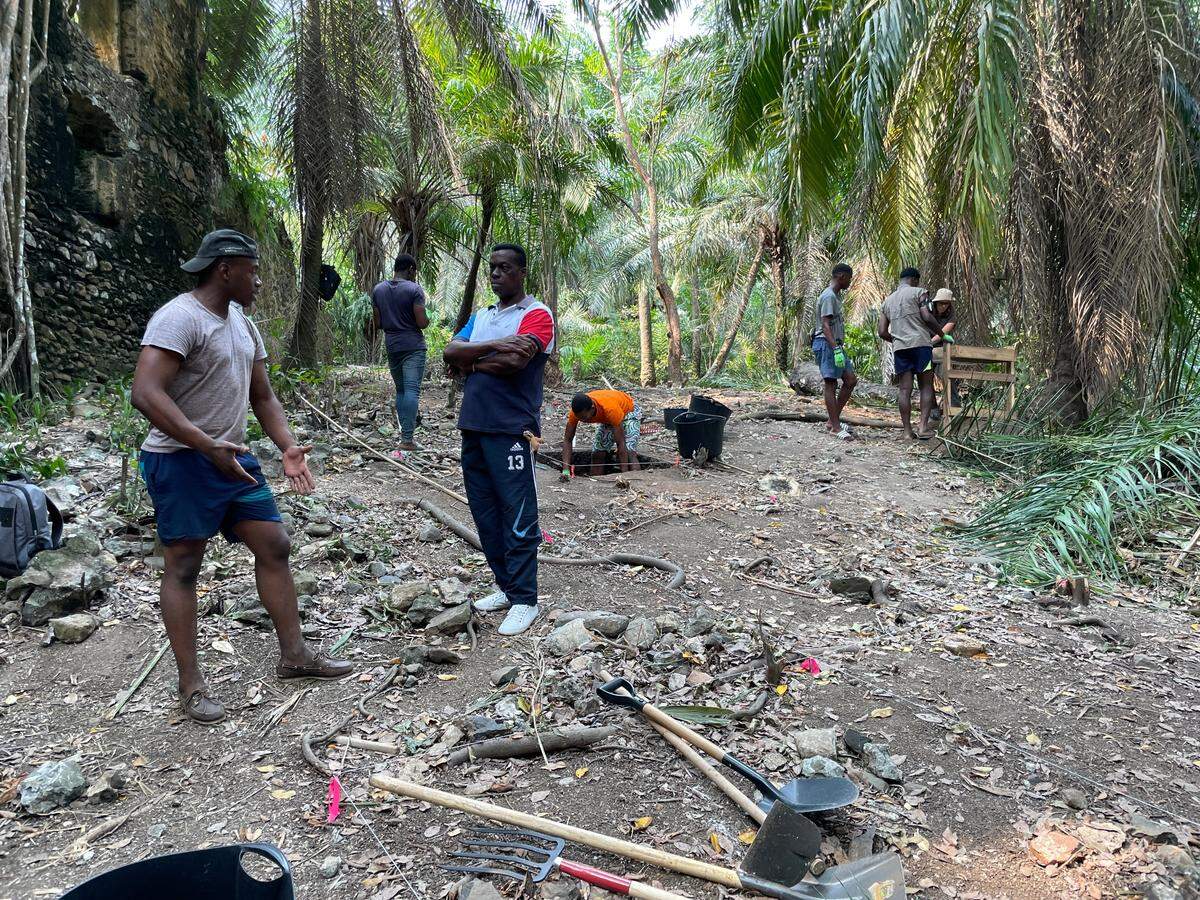
Archaeologists returned to Praia Melão this year for further excavation, Cruz said. “And we are finding some interesting material,” including more sugar mold fragments and “fragments of hand made ceramics … These pots were either locally made or may have been brought by enslaved people.”
Researchers are still excavating and have not analyzed their latest finds. Still, “it is very exciting,” Cruz said.
The study authors included Cruz, Larissa Thomas and M. Nazaré Ceita. The research team also included history students from the University of São Tomé e Príncipe and was supported by the São Tomé and Príncipe Directorate General for Culture.
“This is the very first archaeological excavation in the country and the first time students from the university are able to participate in such work,” Cruz said. “There has never been an archaeologist in the country so it is fundamental to train local students.”
This story was originally published August 16, 2023 at 12:01 PM with the headline "Island estate reveals forgotten ‘model’ for sugar plantation slavery — and resistance."