‘Astonishing’ number of wine glasses unearthed at mysterious ancient city in Albania
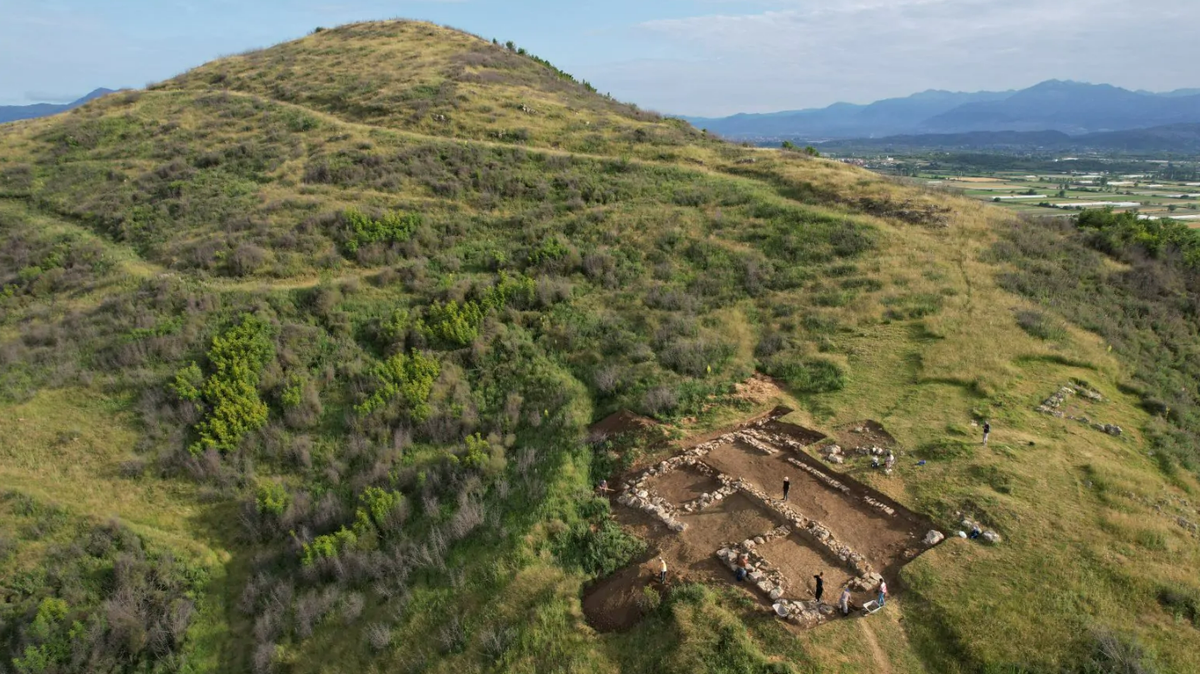
Looking toward the top of a ridge in Albania, viewers see a rocky landscape with lush bushes. From down below, the hilltop doesn’t look particularly unusual.
But something “unique” has been hidden in the hillside — for millennia.
An “unknown city” was rediscovered by archaeologists in Bushat in 2018, according to a July 25 news release from the University of Warsaw.
The long-forgotten ruins, considered by archaeologists to be of an “important urban center,” are situated on two ridges with a small valley in between, giving the city a roughly triangular shape, according to a 2021 study published in the journal Antiquity.
“Nowadays ruins of extensive ancient towns of unknown name are generally no longer discovered,” archaeologists said.
Hoping to find answers about the mysterious place, archaeologists with the Antiquity of Southeastern Europe Research Centre excavated a “very large building” at the highest point in the city, the organization said in a news release.
The building was about 2,400 years old with “three spacious rooms and a long corridor,” archaeologists said. Photos show the outline of the ruined structure.
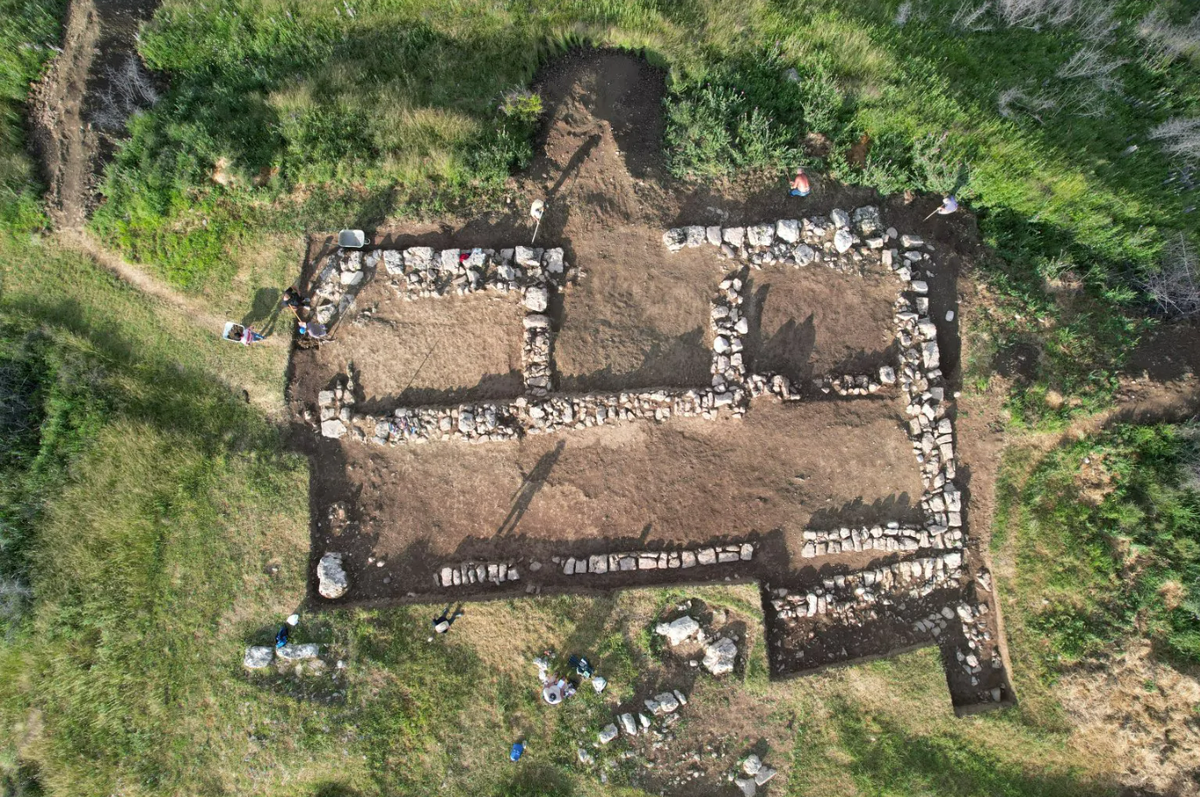
Inside, archaeologists found “an astonishing number” of “wine drinking vessels of various sizes,” Piotr Dyczek, an archaeologist with the Antiquity of Southeastern Europe Research Centre, told the university.
“We have discovered a unique building,” Dyczek said. He identified the building as a prytaneion, an ancient Greek structure where government officials met, or a “hestiateron, (which) is one of the public structures in which an eternal fire should burn.”
These “surprising” findings suggest the mysterious city was planned and run like ancient Greek cities, archaeologists said. The settlement, however, was not Greek.
The city was part of ancient Illyria, archaeologists said. The Illyrians controlled much of the modern-day Balkans until being conquered by the ancient Romans in 168 B.C., according to Britannica.
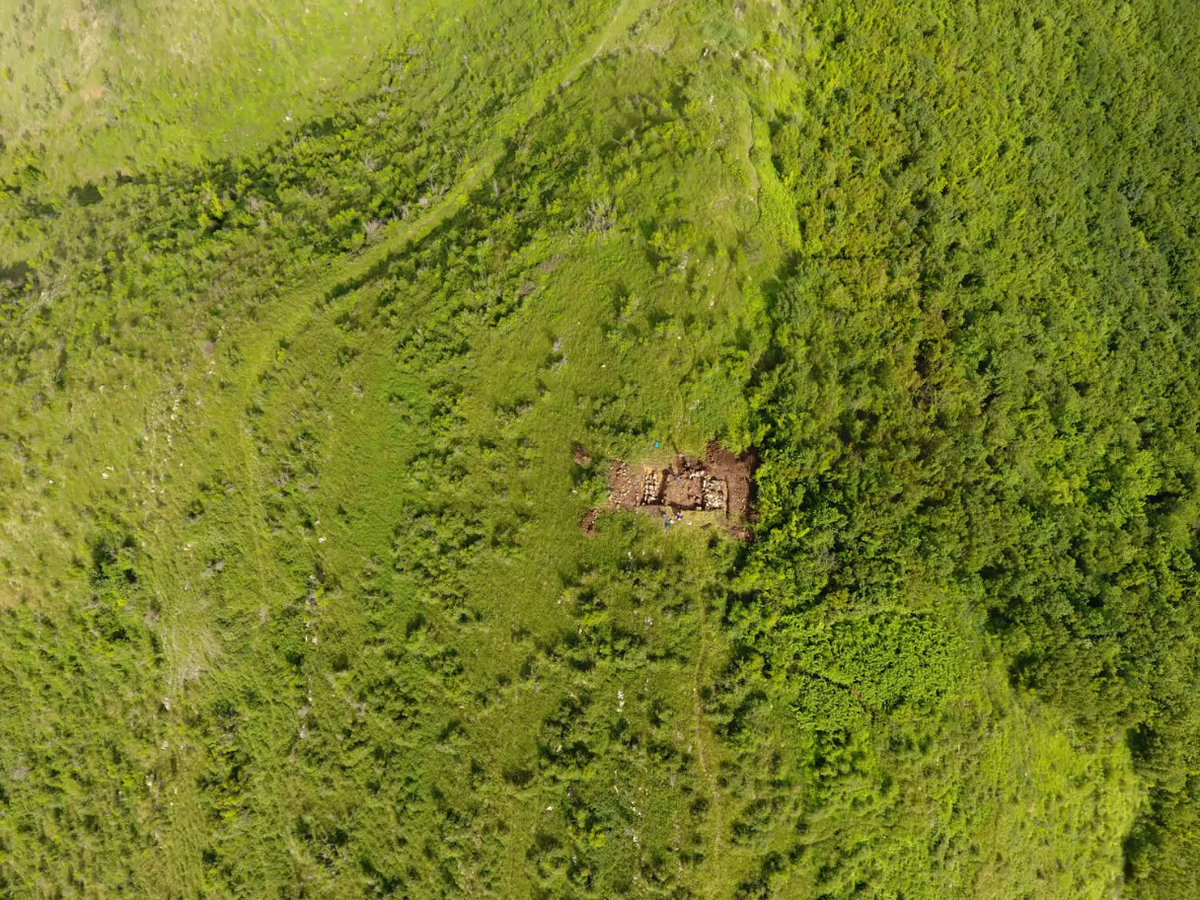
Excavations previously unearthed the ruins of defensive walls and two city gates, evidence of the site’s size and importance, the university said.
Archaeologists will continue excavations next year, according to the research center.
Bushat is about 50 miles northwest of Tirana, the capital of Albania, and near the border with Montenegro.
This story was originally published August 3, 2023 at 9:44 AM with the headline "‘Astonishing’ number of wine glasses unearthed at mysterious ancient city in Albania."