Creature with ‘visible’ green spine discovered as new species in mountains of Ecuador
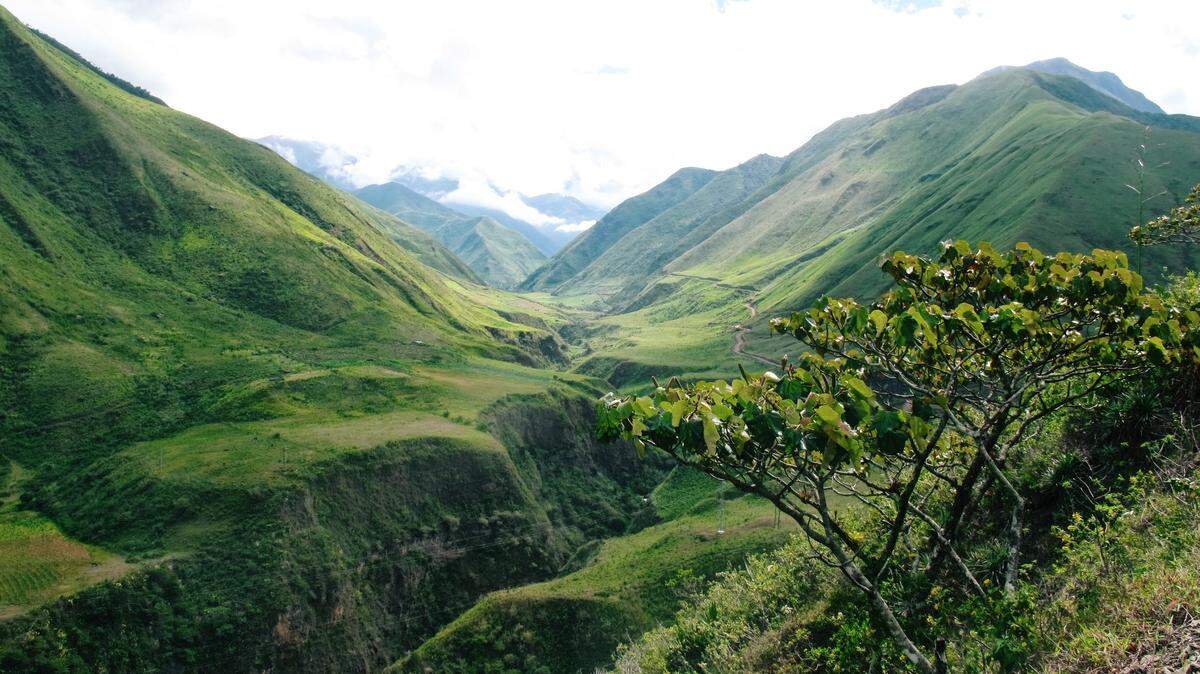
Hiking through the mountains of Ecuador, scientists scanned their surroundings, their attention focused on one task. Peering into a “steep creek,” they spotted several creatures — and discovered two new species.
The team of scientists trekked into the Andes mountains in Azuay province several times, according to a study published May 9 in the journal PeerJ. Their visits in 2015, 2019 and 2022 ranged from a few days to over a week.
On each trek, they had one goal in mind: find and document any mountain-dwelling frogs.
Their search led them to a “steep creek” where they spotted three frogs sitting, the study said. The “small creek” was nestled in an “evergreen forest” about 1.8 miles above sea level.
The researchers collected the green creatures, took a closer look and discovered two new species of glassfrog.
The first new species was named Centrolene camposi, or the Campos’ glassfrog, the study said. It has a “bright green” body about 1.2 inches in size and is covered in light green warts. Its bones also happen to be green, researchers said.
Photos show the frog’s almost glittery and leather-like texture.
Campos’ glassfrog was distinguished from existing species by its body shape and DNA, researchers said. Among glassfrogs, a genetic difference of less than 1% is enough to make a species distinct. The Campos’ glassfrog genetically differed from its closest relative by 1.04%, the study said.
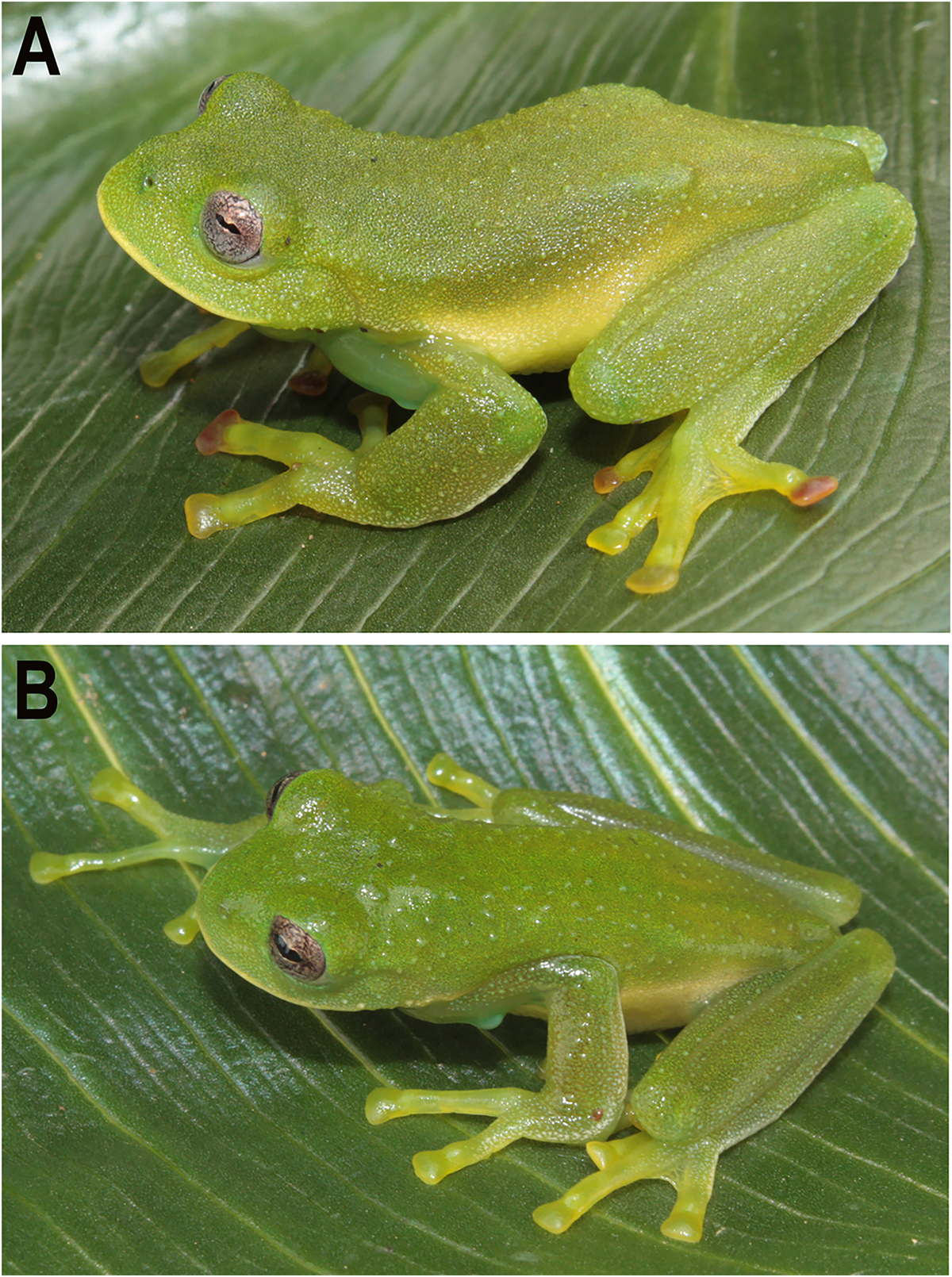
The second new species was named Centrolene ericsmithi, or Smith’s glassfrog, researchers said. The inch-long animal has a “bright green” coloring and green bones. Its green spine is “visible” through its skin.
Photos show the frog’s almost bumpy texture. The contours of its spine are most visible toward the low back.
Researchers described Smith’s glassfrog based on one male specimen, but identified it as morphologically and genetically distinct from other frog species. The species genetically differed from its closest relative by 2.9%, the study said.
The names of both species honor notable amphibian researchers. Campos’ glassfrog was named after Felipe Campos-Yánez, “a distinguished Ecuadorian zoologist, free thinker, and passionate conservationist,” researchers said. Smith’s glassfrog was named after Eric Nelson Smith, a “prodigious collector (who) has described more than 60 new species of amphibians and reptiles” and is from the U.S.
Both new species of glassfrogs have only been found in Azuay province, a region in the Andes mountains about 255 miles south of Quito, the country’s capital.
Biodiversity in the Ecuadorian Andes “remains poorly studied and heavily threatened by unceasing habitat loss, degradation, and fragmentation due to legal and illegal logging, expansion of the agricultural frontier, and mining activities,” researchers said.
The research team included Diego Cisneros-Heredia, Mario Yánez-Muñoz, Juan Sánchez-Nivicela and Santiago Ron.
This story was originally published June 1, 2023 at 12:18 PM with the headline "Creature with ‘visible’ green spine discovered as new species in mountains of Ecuador."