Construction workers spot ‘toolmarks’ on stones — and uncover ancient site in Malta
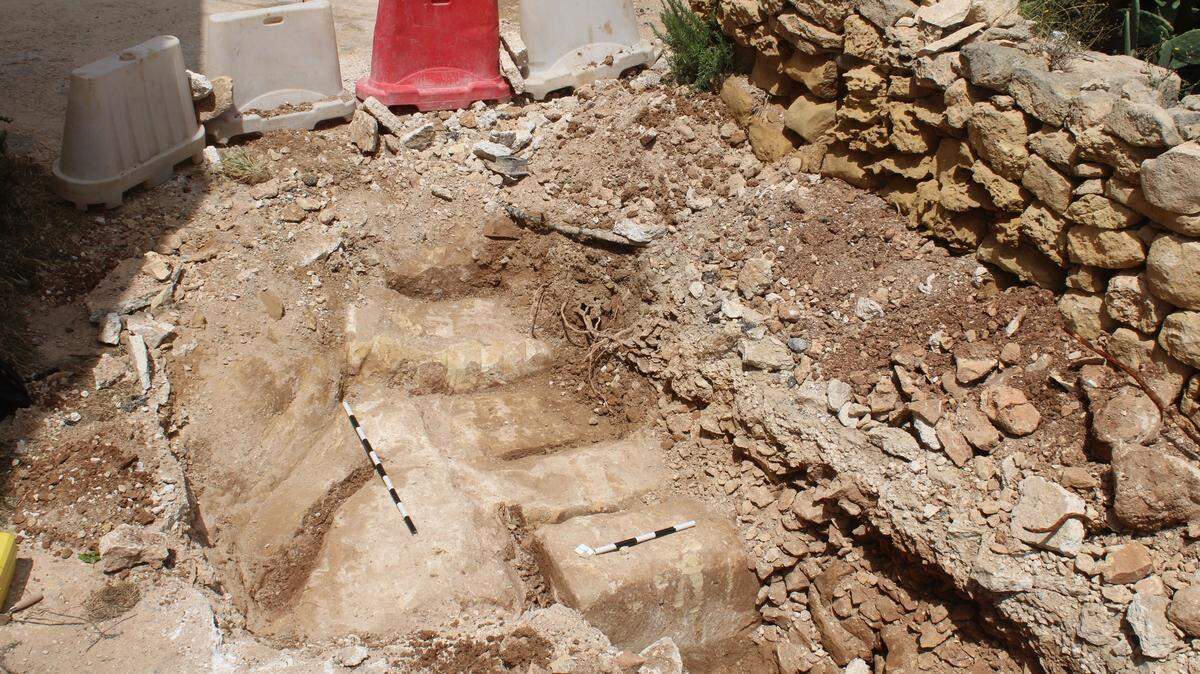
Construction workers digging a trench on the island of Malta noticed some markings on rocks — and stumbled upon an ancient site.
The workers were digging a trench in the Marsaxlokk area as part of a water system project, the Malta Superintendence of Cultural Heritage said in a May 26 news release. As they dug, they noticed “visible toolmarks” on some “rock-cut surfaces.”
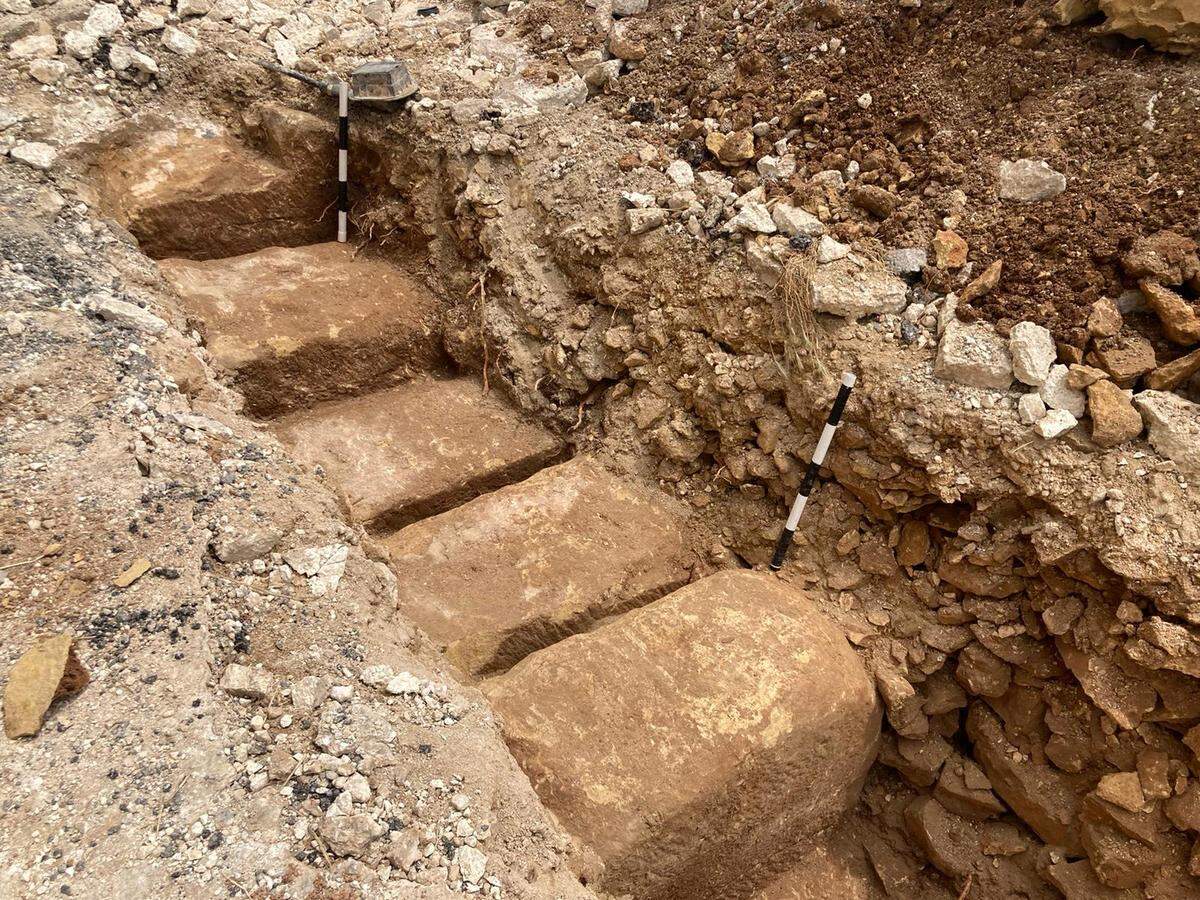
Archaeologists were called in and identified the stones as part of an ancient quarry, where stone was cut and extracted, the release said.
The quarry ruins look almost like a set of steps, photos show. Archaeologists found several large stone blocks partially cut and waiting to be removed from the bedrock.
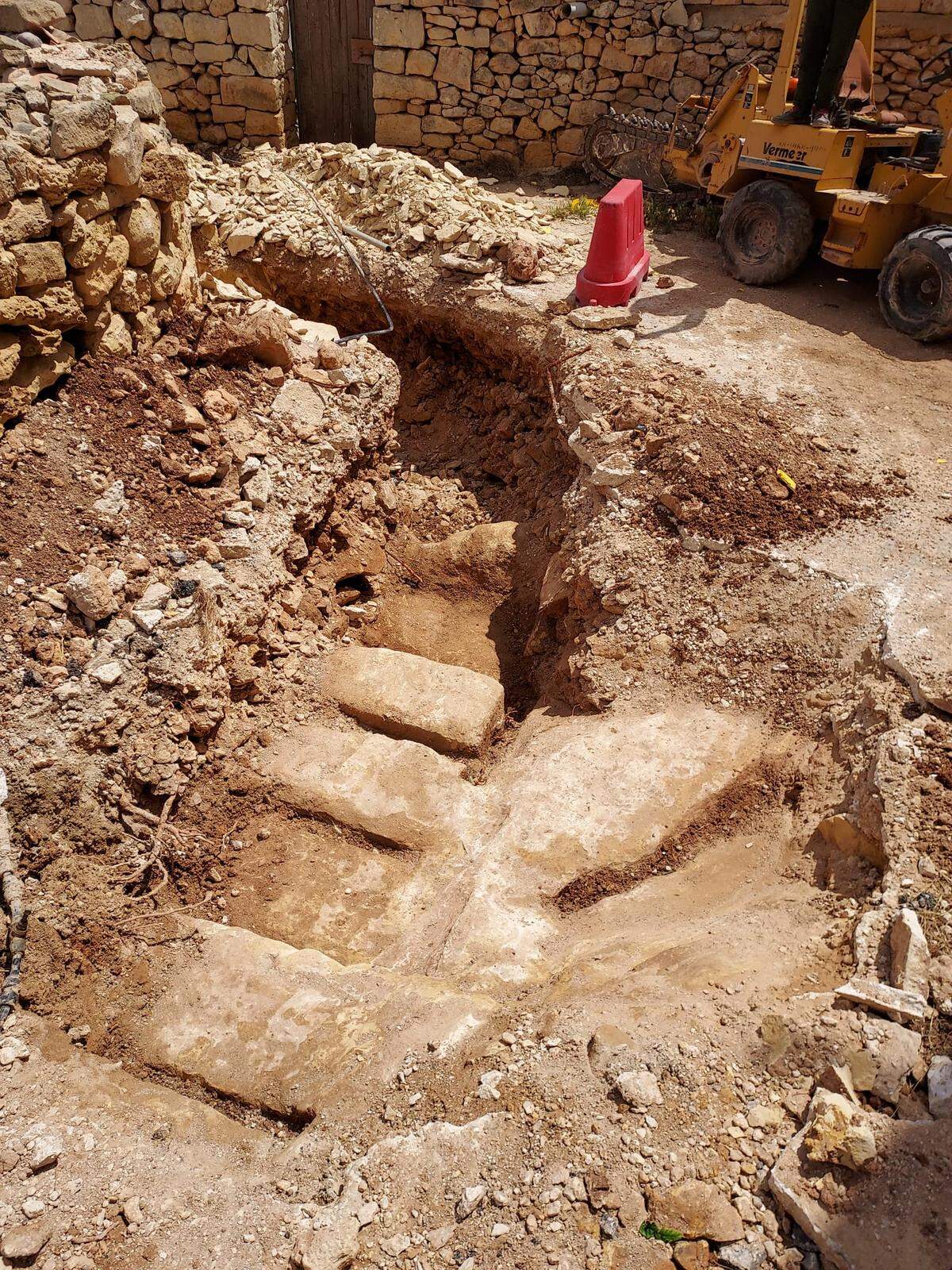
The site dates to the “classical period,” an era “typically associated with ancient Greece and ancient Rome,” the Times of Malta reported.
Malta’s Greco-Roman period lasted from about the third century B.C. to the fifth century A.D., according to Heritage Malta.
No other artifacts were found at the site, preventing archaeologists from precisely dating the quarry, the release said.
Malta is a small, Mediterranean island country between the coasts of Italy to the north, Tunisia to the west and Libya to the south.
Marsaxlokk — a city near Malta’s southeastern coast — is already home to the country’s oldest archaeological site, the Tas-Silġ archaeological complex, according to Heritage Malta. The temple and sanctuary-like complex was used and adapted from 3150 B.C. into the Greco-Roman period and beyond.
Archaeologists were already monitoring the construction work in Marsaxlokk because of known archaeological ruins in the area, the release said.
This story was originally published May 31, 2023 at 9:29 AM with the headline "Construction workers spot ‘toolmarks’ on stones — and uncover ancient site in Malta."