Trove of Mayan ceramics could give insight to life under ‘iconic’ ruler 1,400 years ago
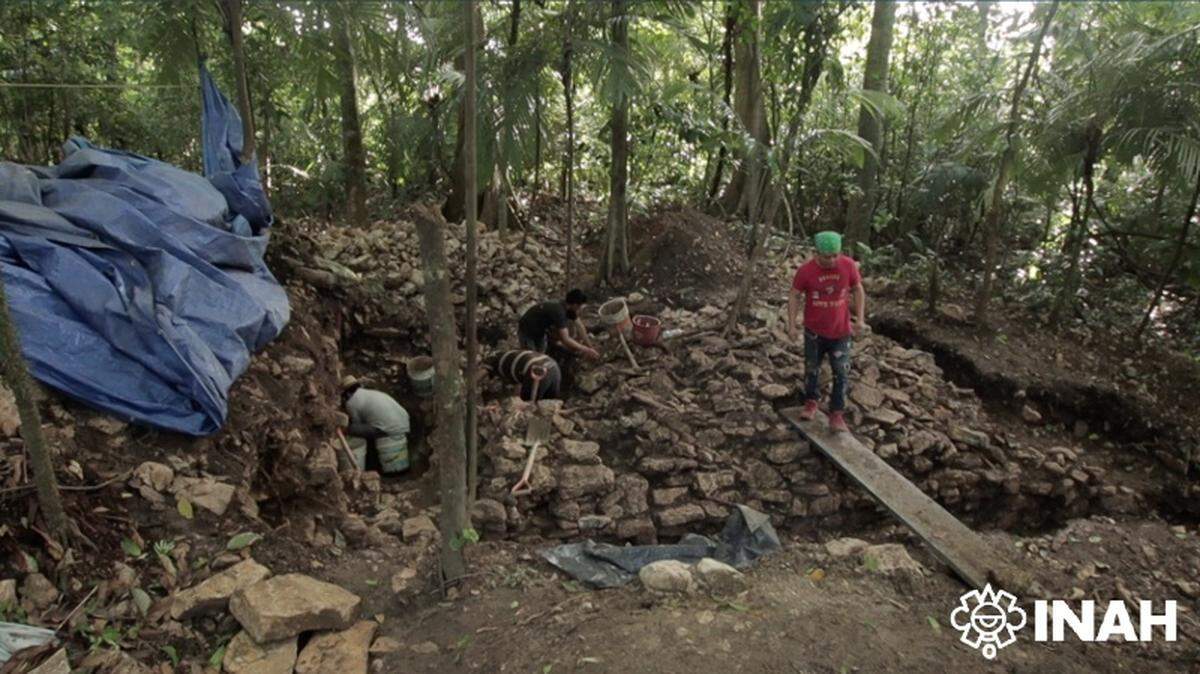
Towering monuments, politicians, bustling business people, a dense city center. Today, that description fits a handful of the world’s biggest cities, like Washington, D.C.; London; or Hong Kong.
But 1,400 years ago, Palenque, one of the “most outstanding” Mayan cities, had all of the above.
Now, archaeologists in Mexico have unearthed more than 10,000 shards of ceramics they say will give them greater insight into daily life in Palenque, according to a news release from Mexico’s National Institute of Anthropology and History.
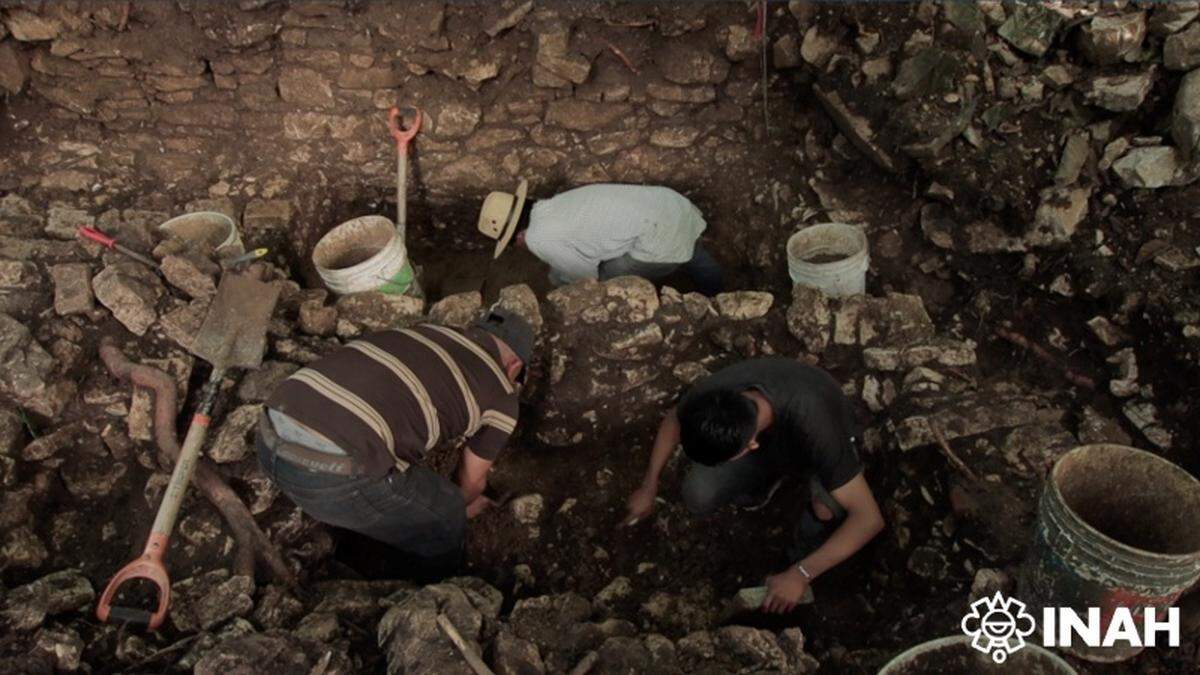
Excavations of Palenque in southeast Mexico have been ongoing for years, and in 2022 the exploration of “Group IV” — a zone of the city — resumed, the institute said. Group IV contains more than 270 structures, including housing units and plazas, that are about a tenth of a mile northwest of the city’s center.
Archaeologists have focused on an area within the group called J6, which includes a central square and monument. In previous excavations, human burials were found on the southern and western sides of the structure, the institute said.
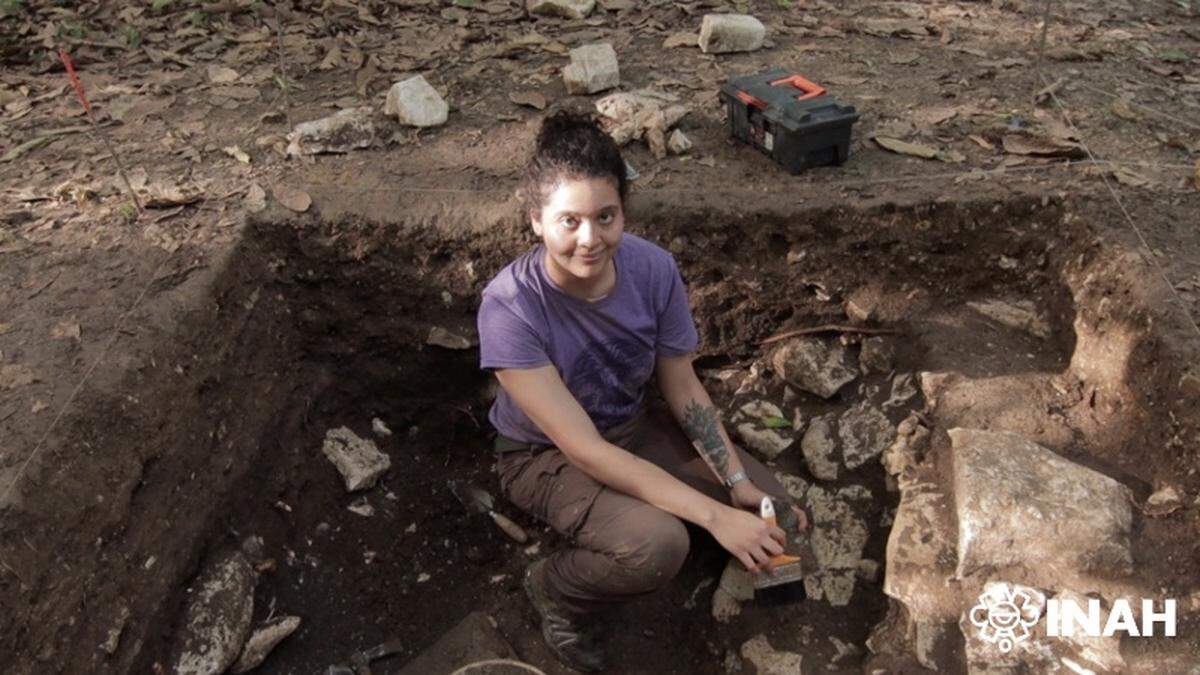
The recent excavation focused on the eastern side of the structure, but instead of human burials, experts unearthed thousands of ceramics, they said.
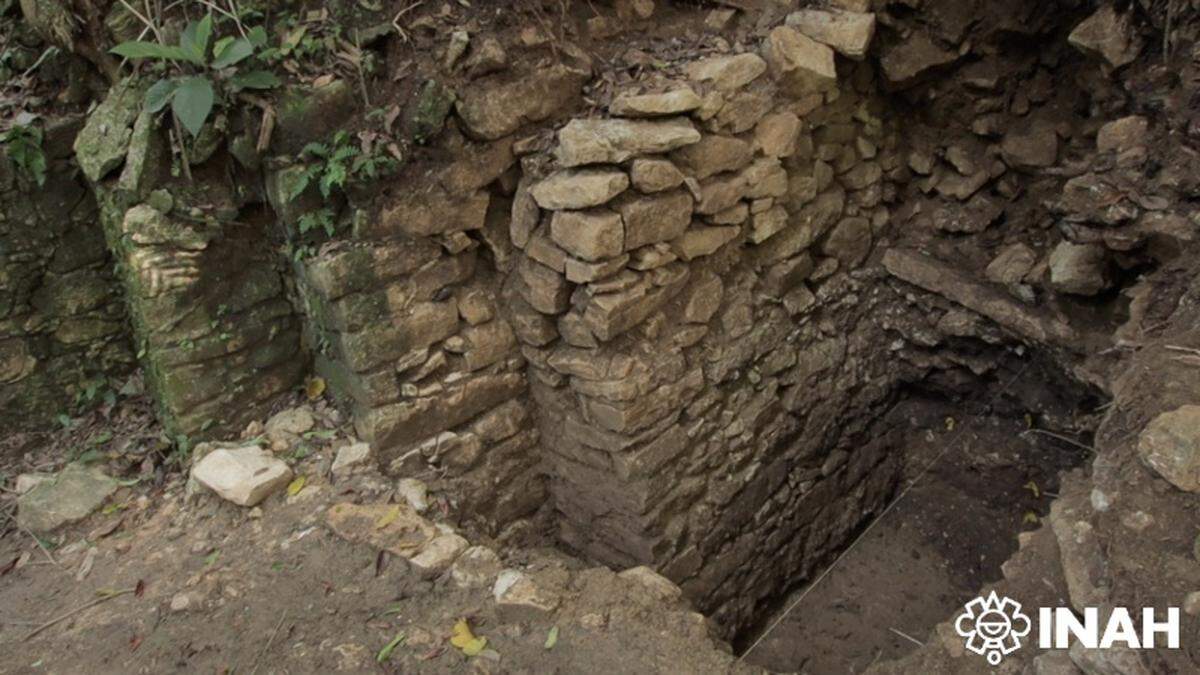
Despite finding burials, archaeologists think the area was used for funerary purposes, Rodrigo Liendo Stuardo, the researcher who coordinated the excavation, said.
The ceramics date to the seventh century, a period that previously lacked ceramic evidence, the institute said. The findings also coincide with the rule of Palenque’s “most iconic” ruler, K’inich Janaab’ Pakal.
Pakal ruled the city for 68 years, making him the fifth longest serving monarch in history, according to the BBC. His reign was marked by architectural progress, making palaces, temples and monuments bigger and more complex.
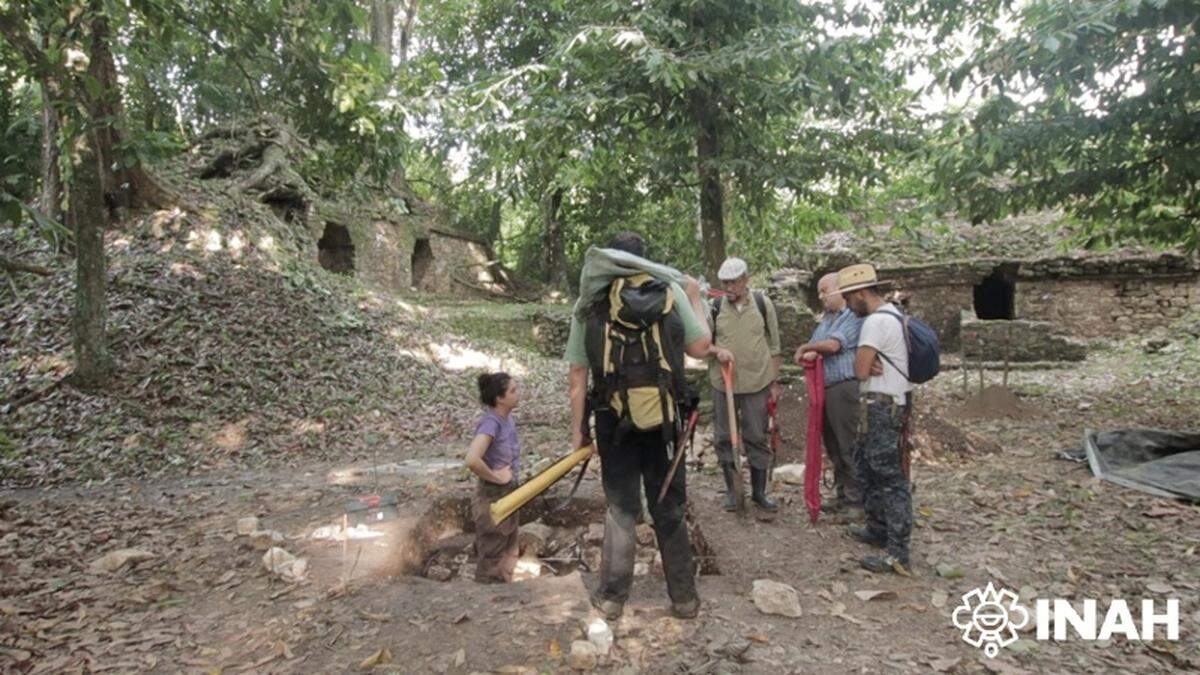
Experts are hopeful that the ceramic findings in Palenque will give them a better understanding of life in Palenque, and under Pakal’s rule especially.
Google Translate was used to translate the news release from Mexico’s National Institute of Anthropology and History (INAH).
This story was originally published February 8, 2023 at 5:34 PM with the headline "Trove of Mayan ceramics could give insight to life under ‘iconic’ ruler 1,400 years ago."