Every skull is missing from 37 skeletons in this prehistoric mass grave — except one
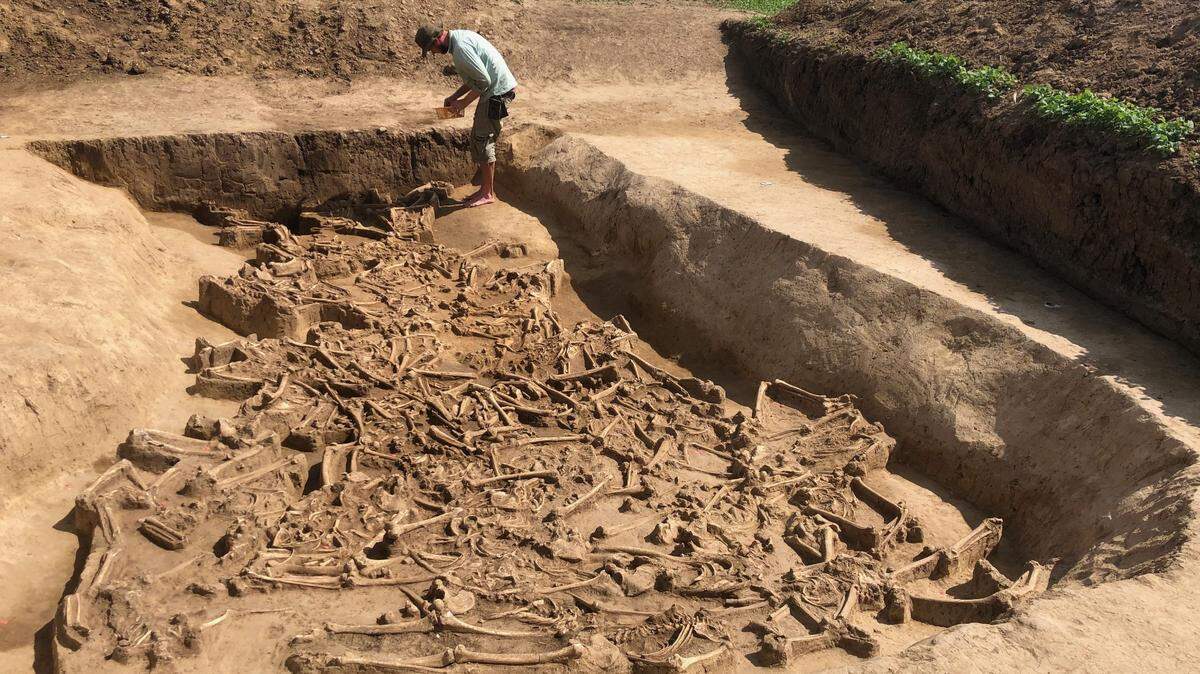
Dozens of skeletons sat in the dusty soil, stacked on top of each other in a jumble of bones. Some laid on their backs, limbs splayed out; others laid curled in fetal position. All but one laid there headless.
The eerie burial “exceeded all imaginations,” archaeologist and project leader Martin Furholt said in a news release from Kiel University.
Archaeologists were excavating a Neolithic site of Vráble-Ve`lke Lehemby in Vráble, Slovakia, the Jan. 11 release said. People associated with the Linear Pottery Culture lived in the settlement from 5,250 B.C. until 4,950 B.C.
Along the southwestern portion of the settlement, archaeologists found a 7,000-year-old trench. Buried in the trench were 38 “well-preserved” skeletons, the release said. All of the skeletons – except for one infant – were missing their skulls.
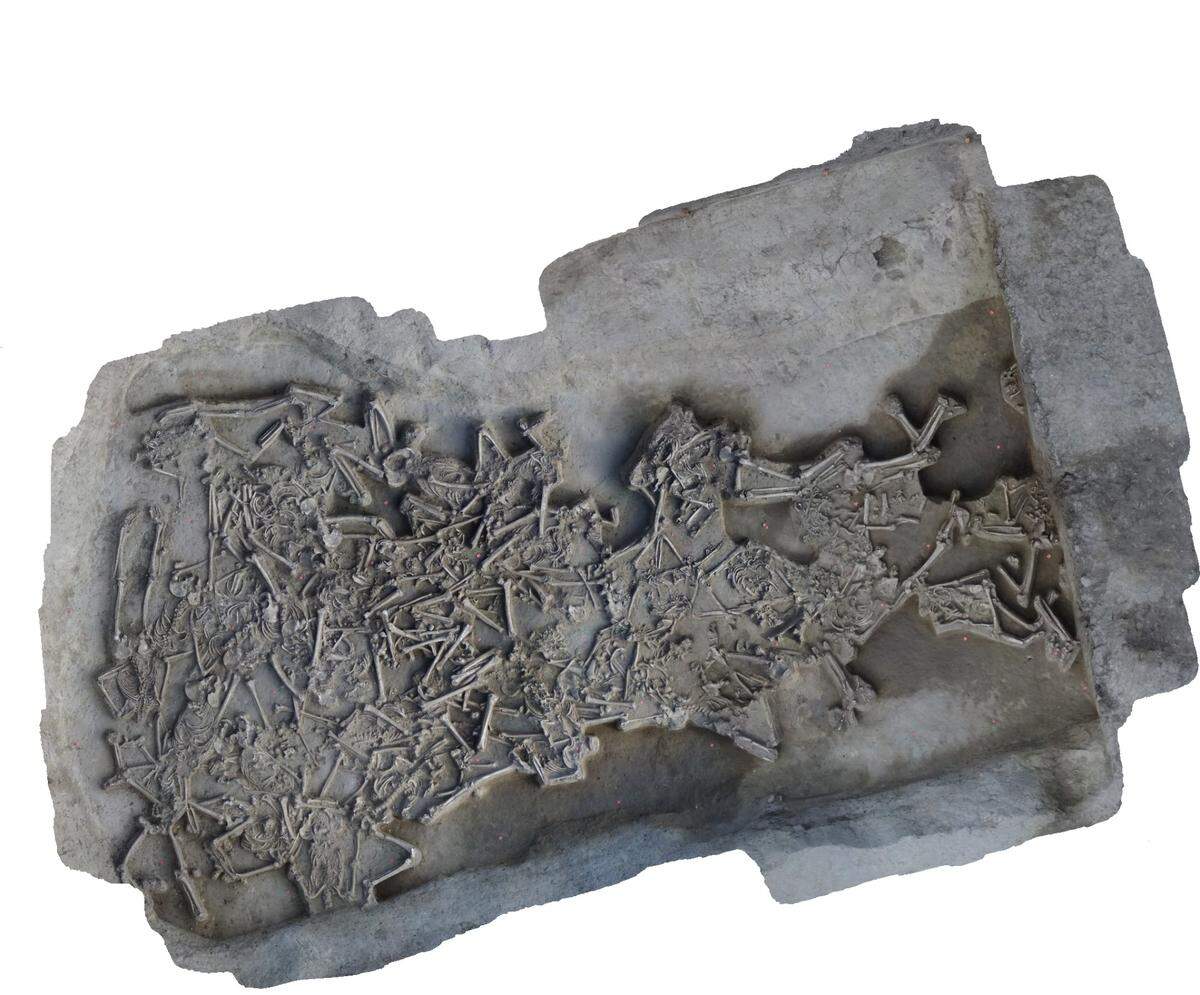
The bones were jumbled together, suggesting most of the bodies were “thrown or rolled into the ditch,” researchers said.
What happened to these people? Why were they buried without heads? Where did their heads go?
Is this a prehistoric mass grave following a massacre? Did a head-hunter discard bodies here over a period of time? Could a skull cult have placed the skeletons here over generations?
“It may seem obvious to assume a massacre with human sacrifices, perhaps even in connection with magical or religious ideas,” one of the project leaders, Maria Wunderlich, said in the release. “There are many possibilities and it is important to remain open to new insights and ideas.”
The jumbled skeletons contain clues for archaeologists to follow.
“Several individual bones out of anatomical position suggest that the temporal sequence might have been more complex,” anthropologist Katharina Fuchs said in the release. “It is possible that already-skeletonised bodies were pushed into the middle of the trench to make room for new ones.”
Additionally, Fuchs found that, “in some skeletons, the first cervical vertebra is preserved, indicating careful removal of the head rather than beheading in the violent, ruthless sense.”
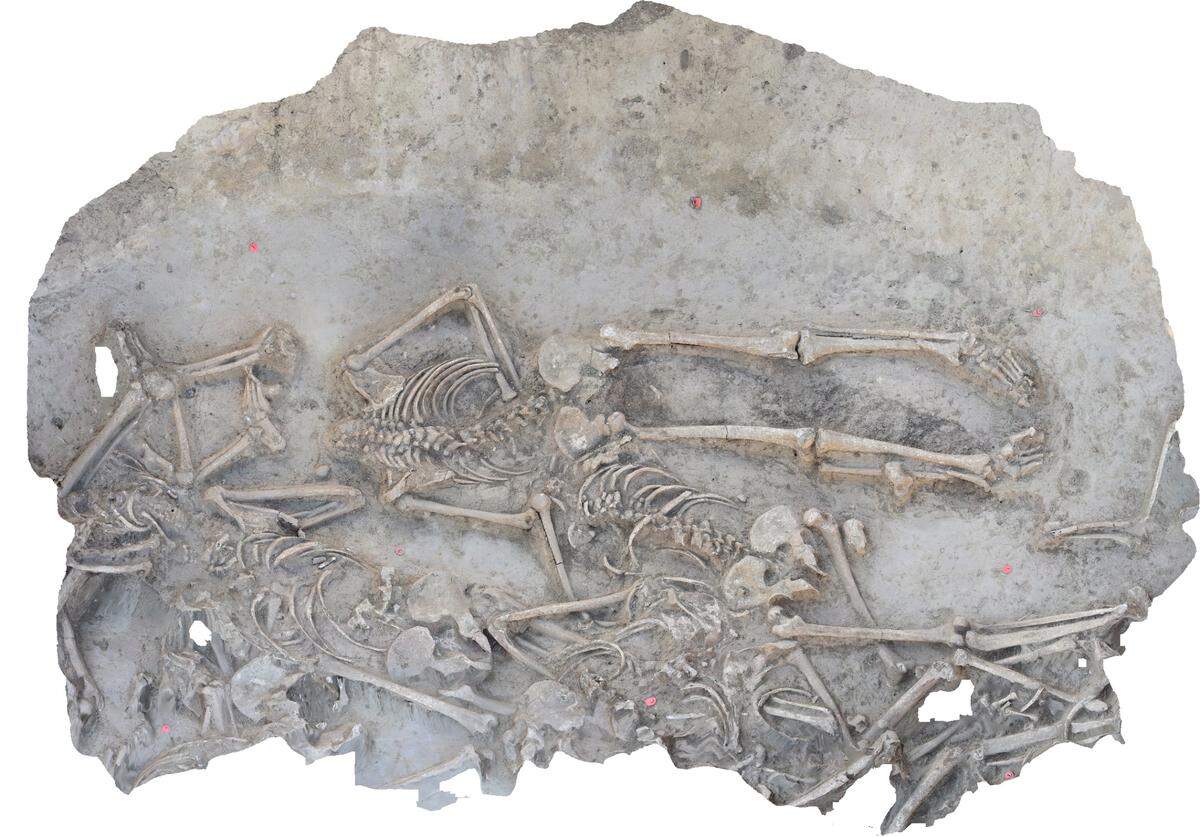
Researchers don’t know why the prehistoric skeletons were buried without skulls. Detailed investigations including DNA analysis and radiocarbon dating aim to solve the mystery, university officials said.
The joint team of Slovak and German researchers unearthed a few headless skeletons during excavation at the Vráble site in 2021, the university said in a previous news release. “The pattern of missing heads is completely new” and presents an even more baffling mystery, researchers said recently.
Some of the headless skeletons found in 2021 were also missing their hands and feet, according to the news release. Looking at these bones, anthropologists estimated the skulls were removed a few weeks after death but before the body fully decomposed.
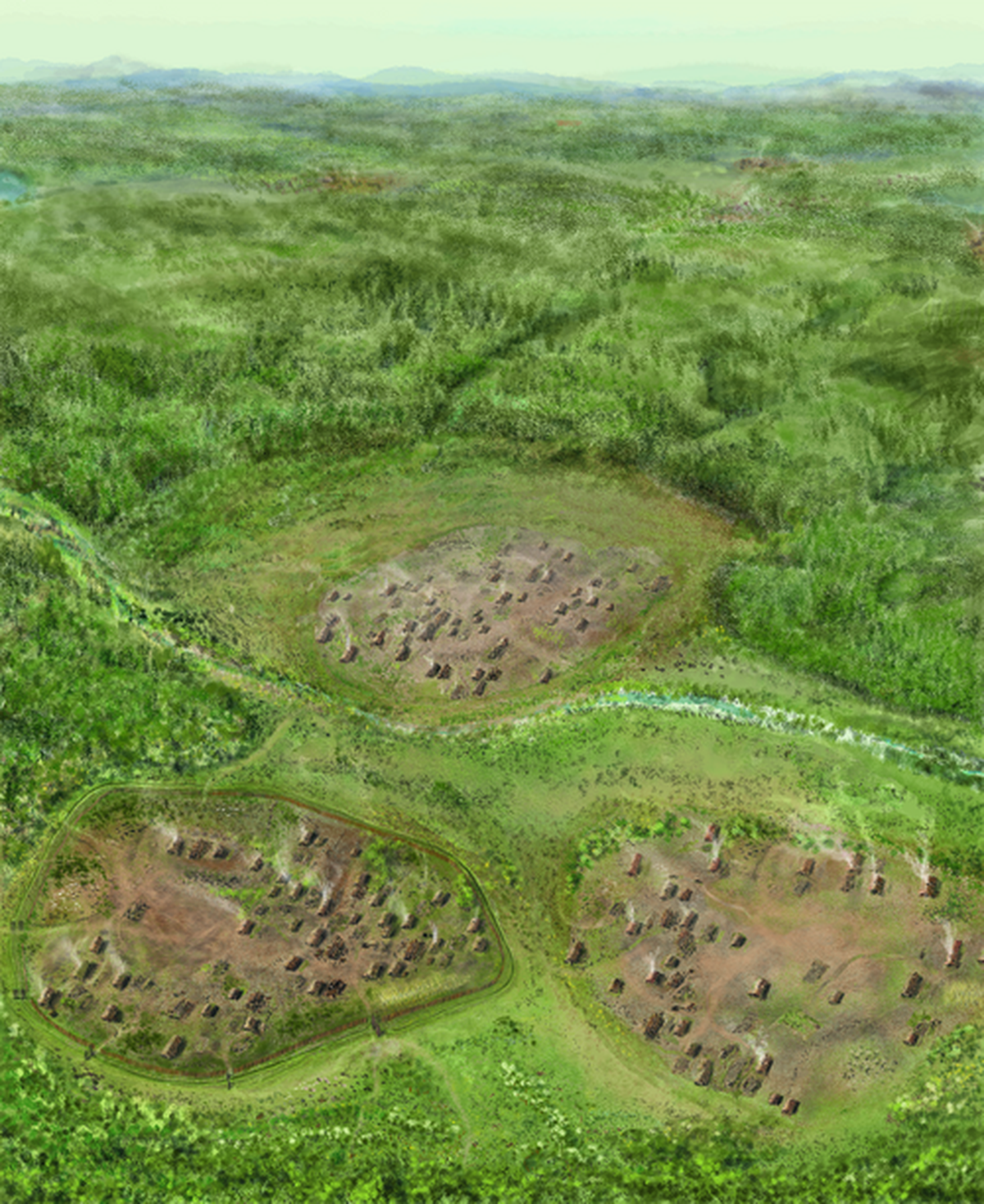
The Vráble site is the largest early Neolithic settlement found in central Europe, researchers said. The three-part settlement has 313 houses for about 600 inhabitants, an exceptionally dense population center for its time.
Vráble Is about 65 miles northeast of Bratislava.
This story was originally published January 17, 2023 at 6:05 PM with the headline "Every skull is missing from 37 skeletons in this prehistoric mass grave — except one."