Watchful cat, slithering snake among 2,000-year-old drawings found in Peru. Take a look
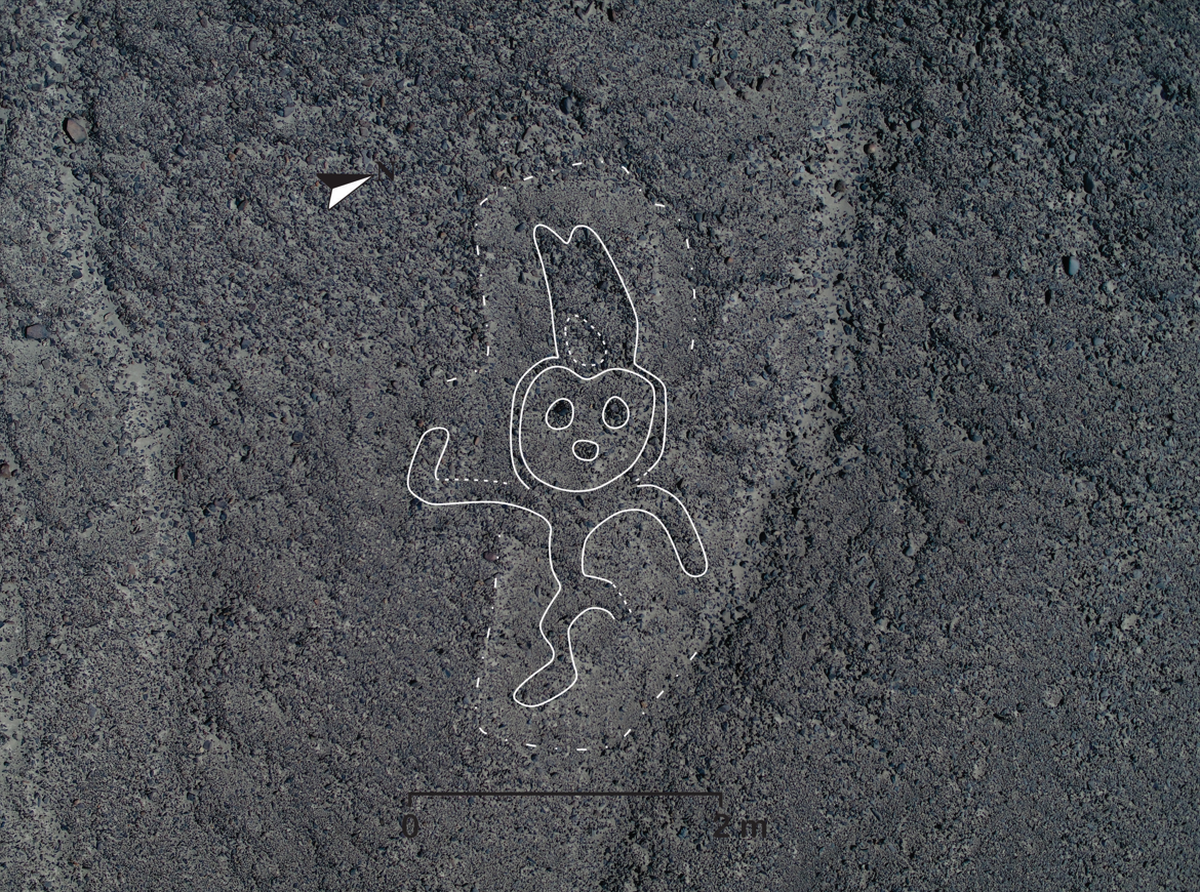
A rabbit-looking creature soars across the desert of southern Peru surrounded by numerous other geoglyphs. These geoglyphs – one of the greatest mysteries in archaeology – have drawn awe and intrigue for years. Now, researchers discovered over 160 more of them.
Japanese archaeologists studying the desert around Nazca, Peru, identified 168 new geoglyphs, according to a Dec. 9. news release from Yamagata University.
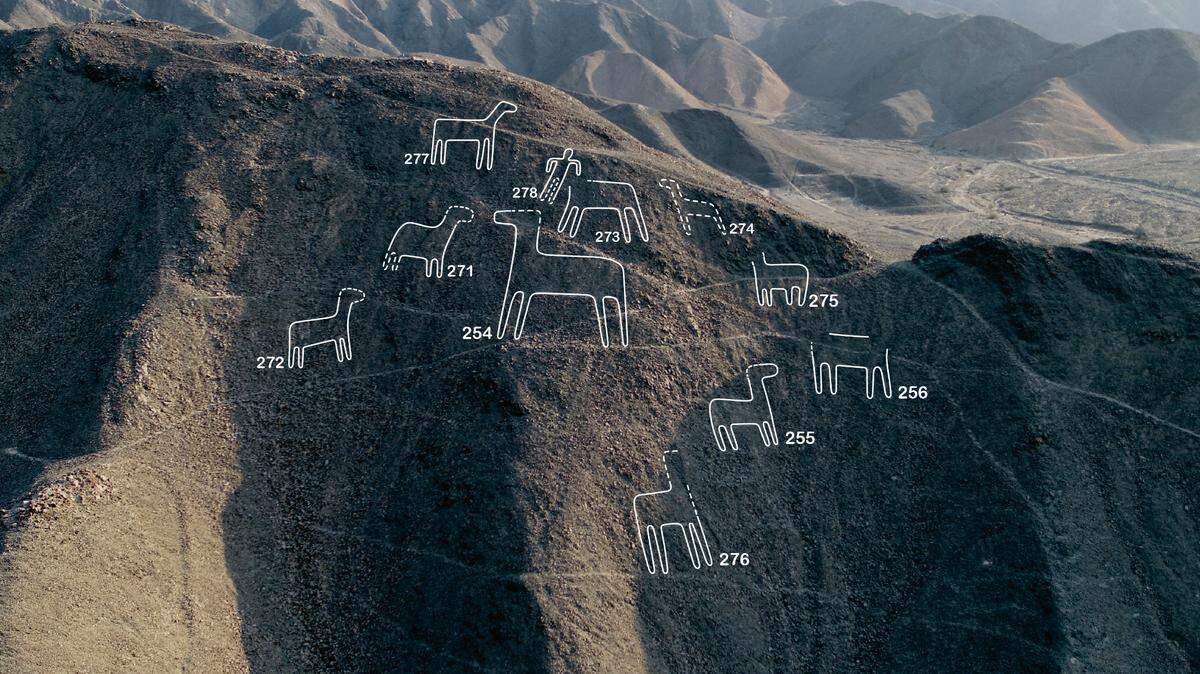
Geoglyphs look like massive line drawings carved into the ground, photos show. The newly discovered drawings are about 2,000 years old, dating between 100 B.C. and 300 A.D., researchers said.
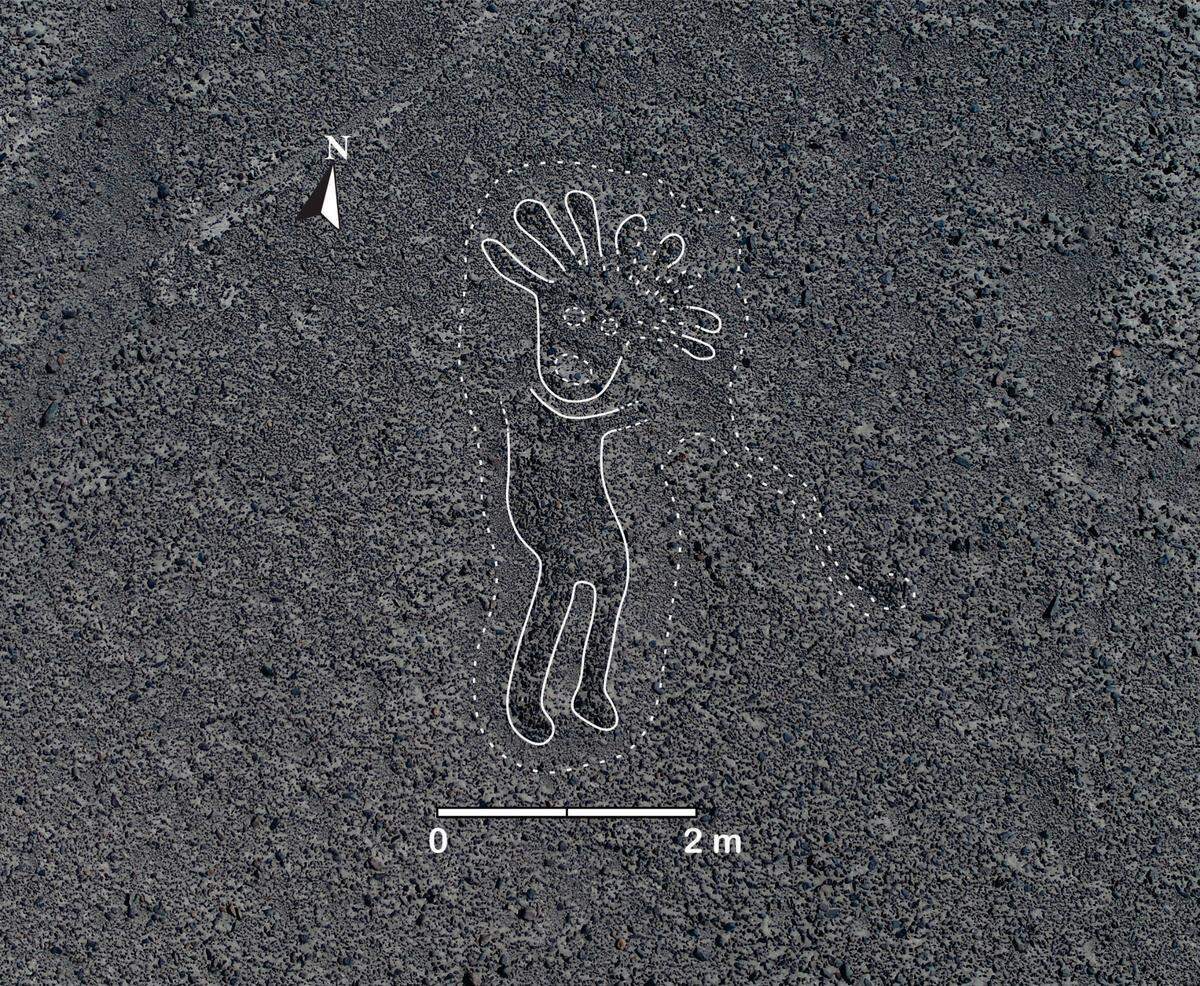
Photos show some of the geoglyphs. In two, people with headdresses appear to dance across the rocky ground.
To create geoglyphs, the ancient people of Nazca would carve into the ground, removing the black-colored stones to reveal the white sands below, archaeologists said. Some were created along trail paths, others carved in the open land.
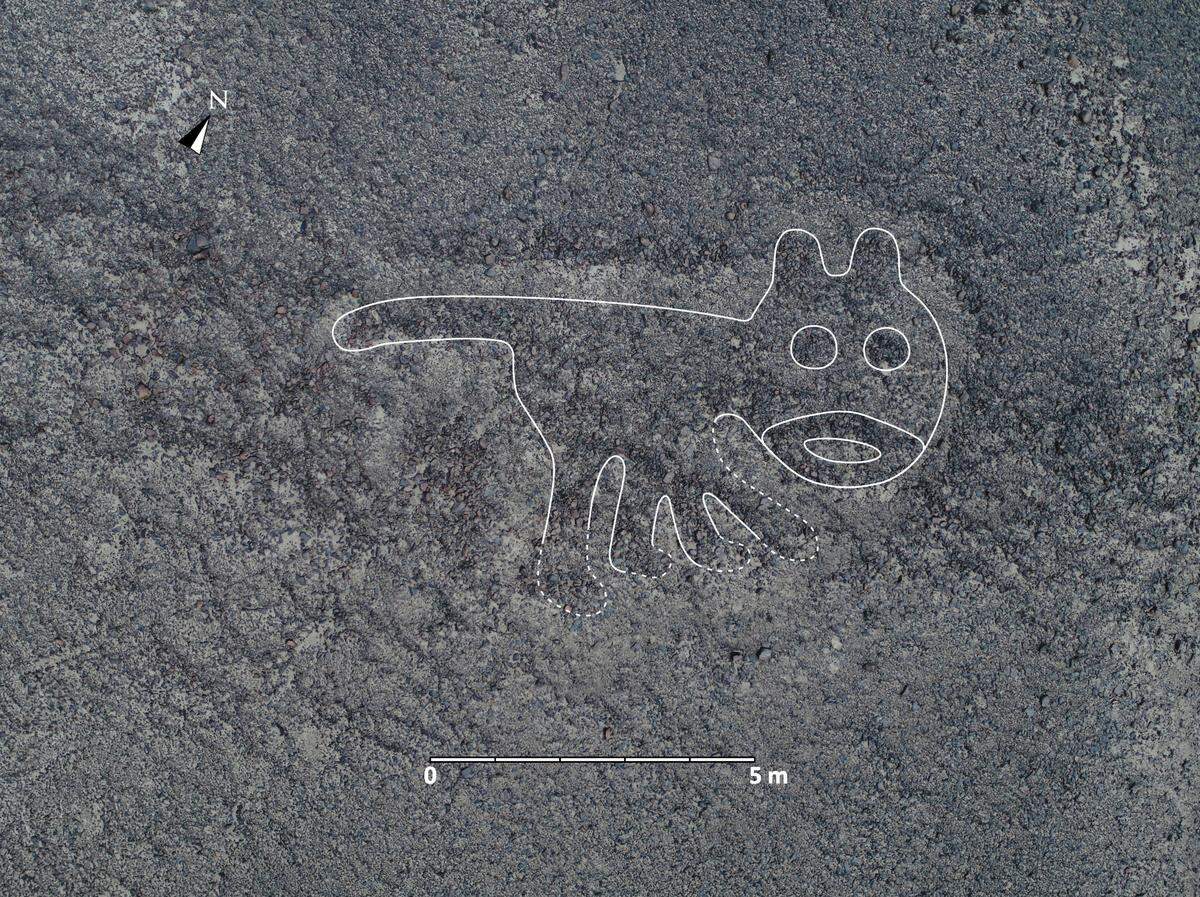
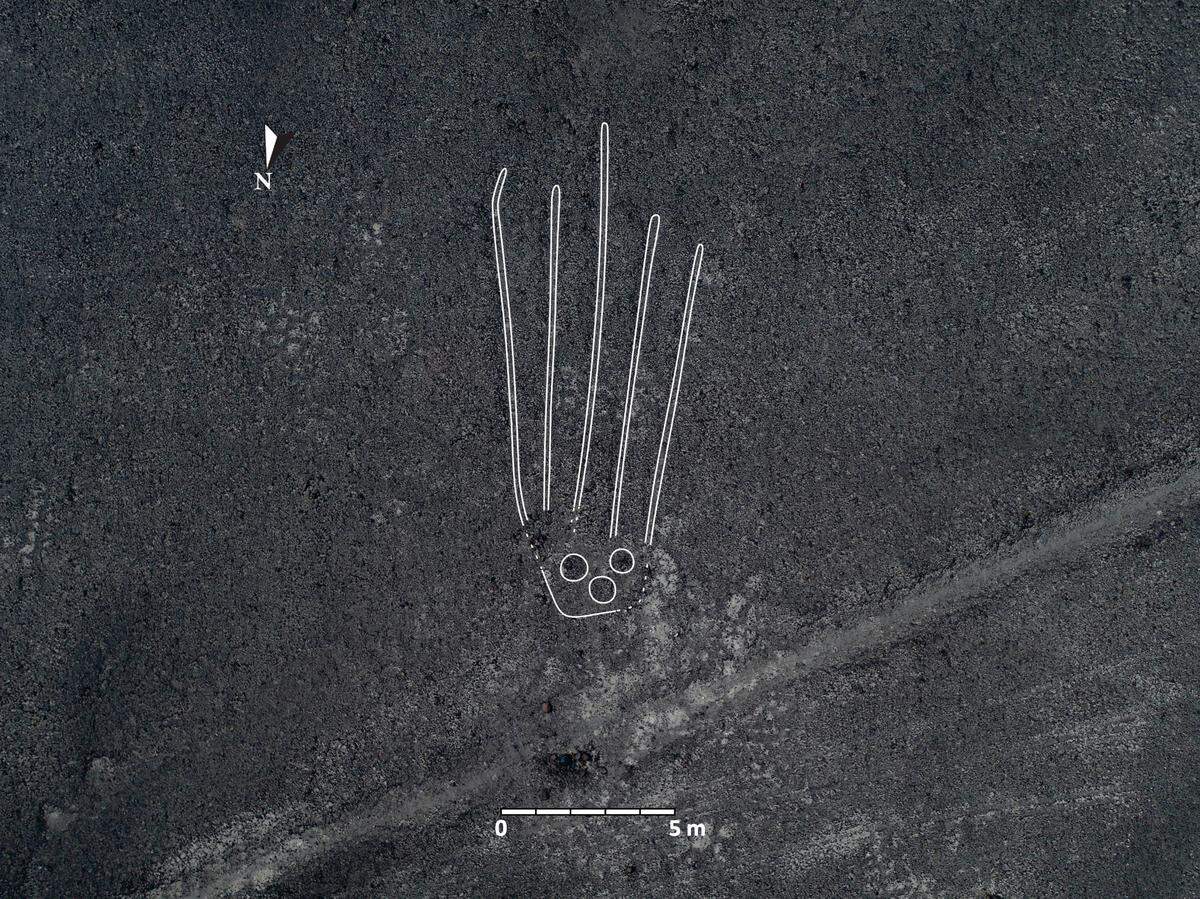
One geoglyph takes the form of a watchful cat, prowling the desert, photos show. Another geoglyph had a more abstract shape with five long lines extending from a wide-eyed, open-mouthed face.
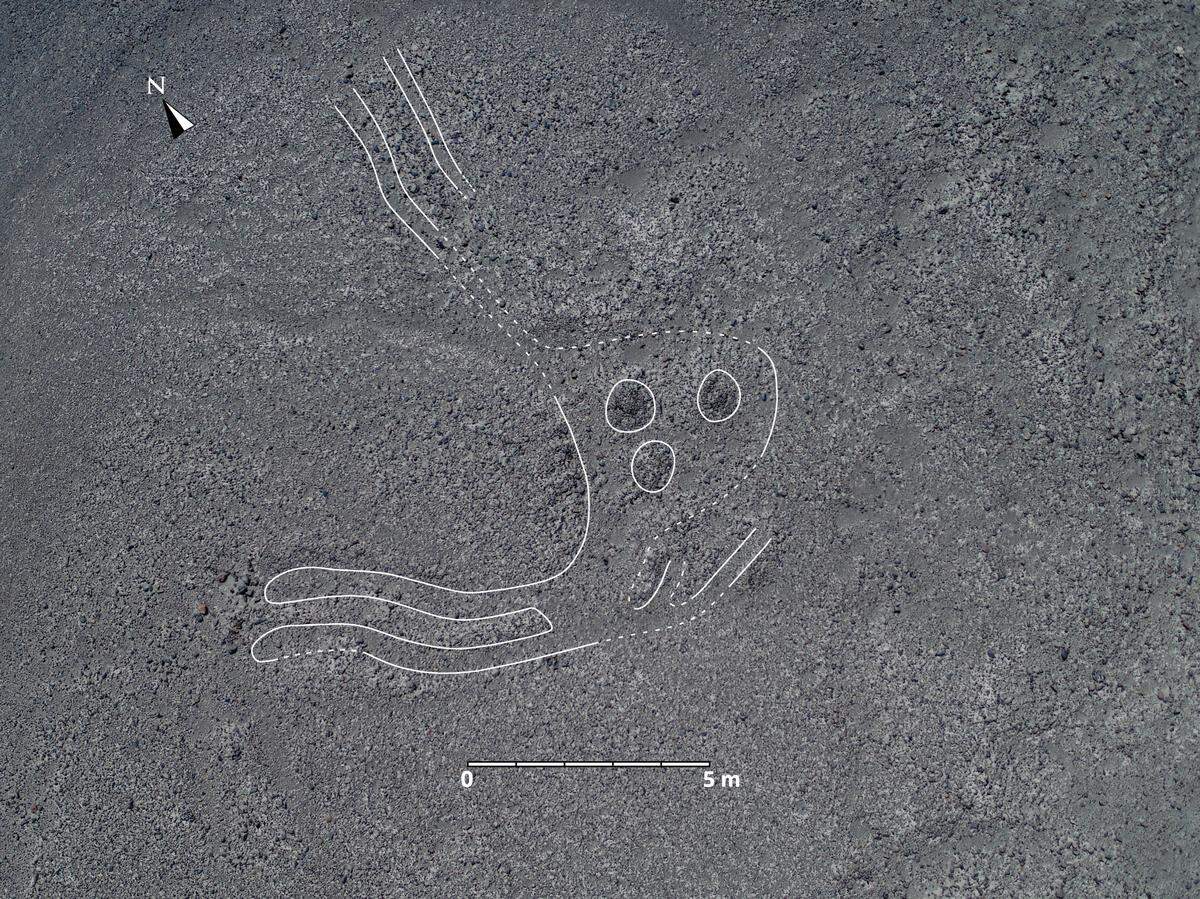
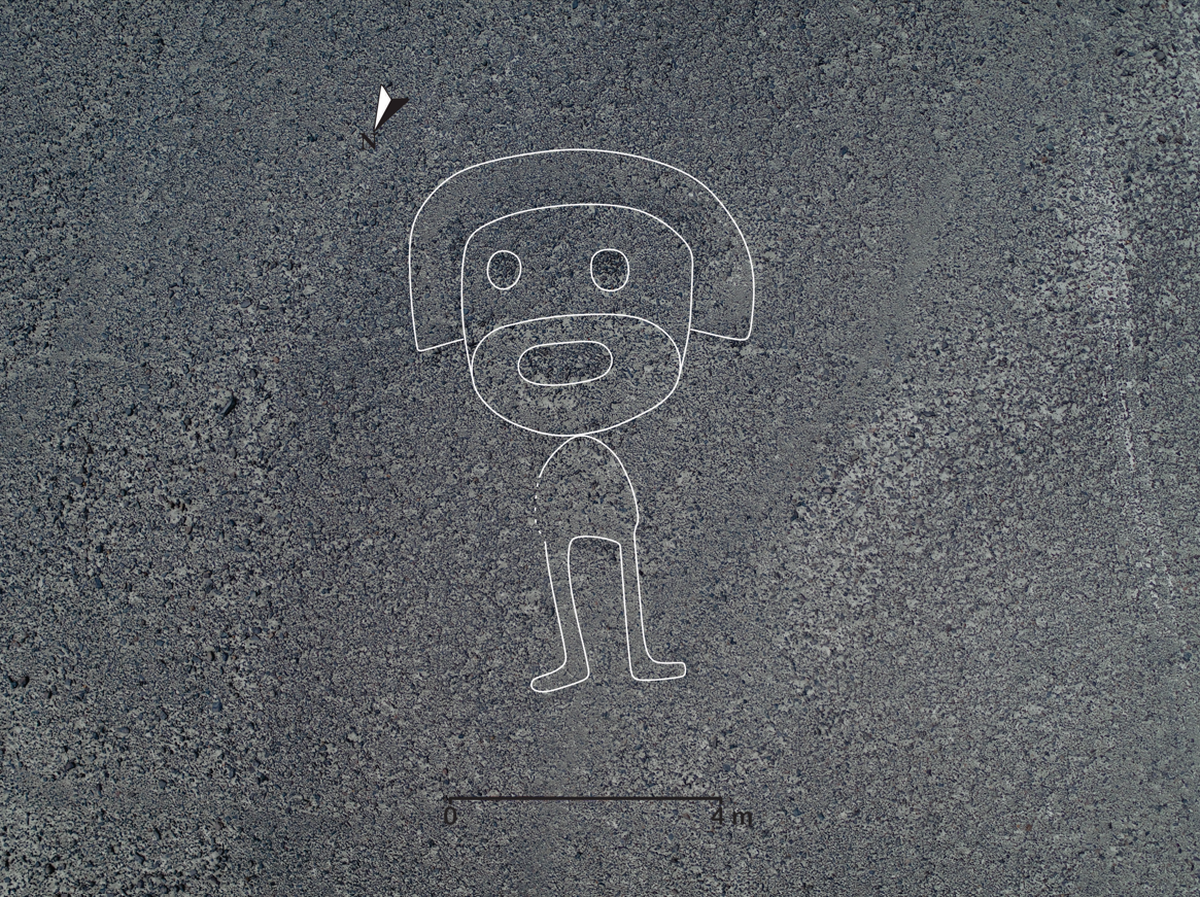
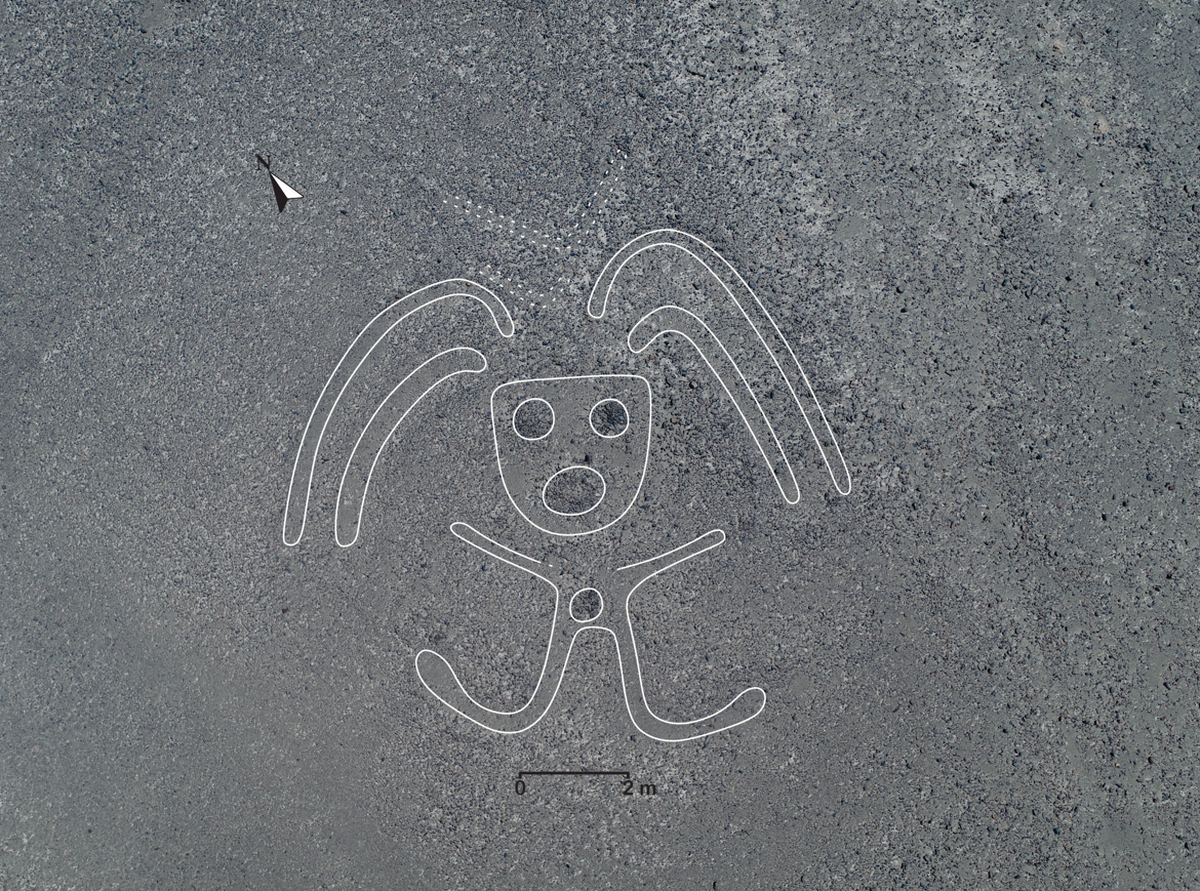
A rabbit-looking creature soars, arms and legs outstretched in another drawing, while an armless humanoid figure stands still.
The geoglyphs around Nazca are “among archaeology’s greatest enigmas,” according to UNESCO World Heritage. The purpose of the drawings is not entirely known, but experts believe the figures – and the practice of creating them – had “ritual astronomical functions,” the organization said.
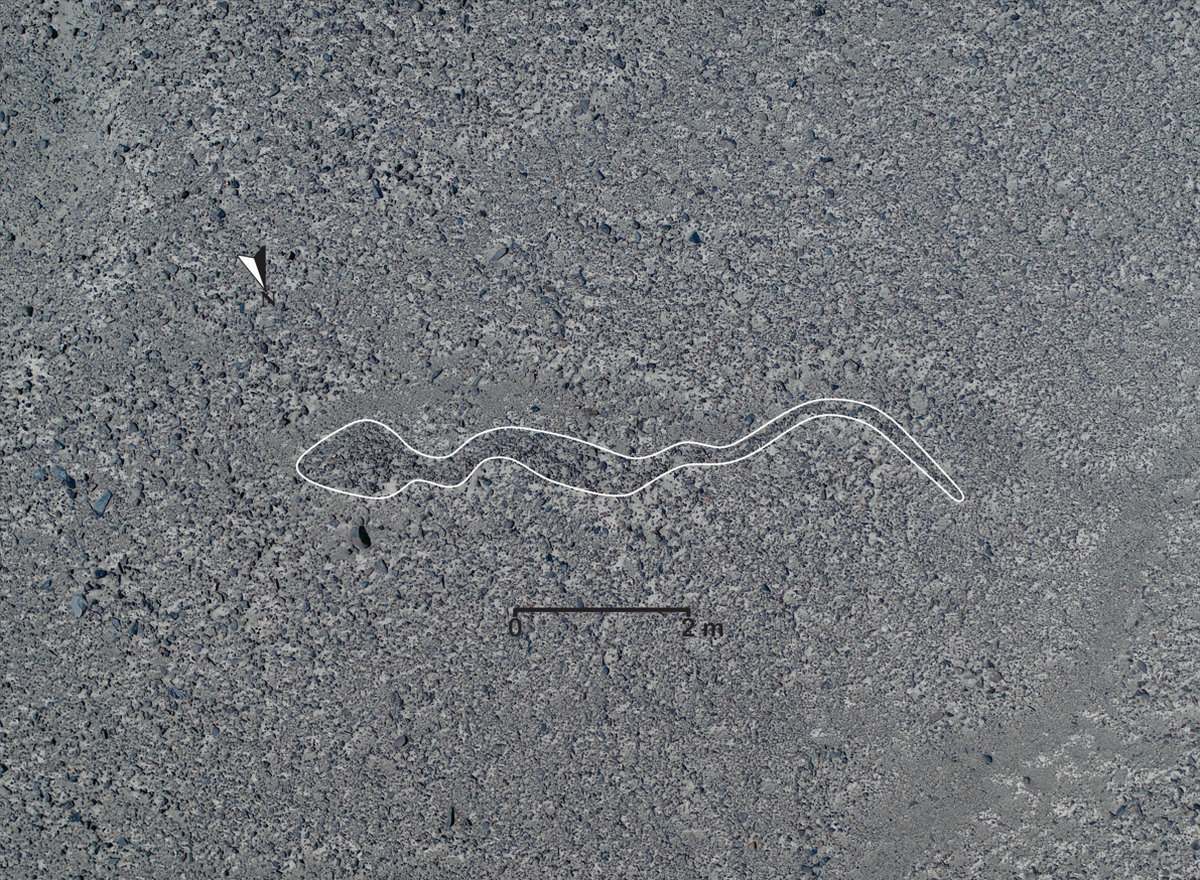
A snake slithers across the open ground in another geoglyph, photos show. Elsewhere, another wide-eyed, open-mouthed human-like figure stares up at the sky.
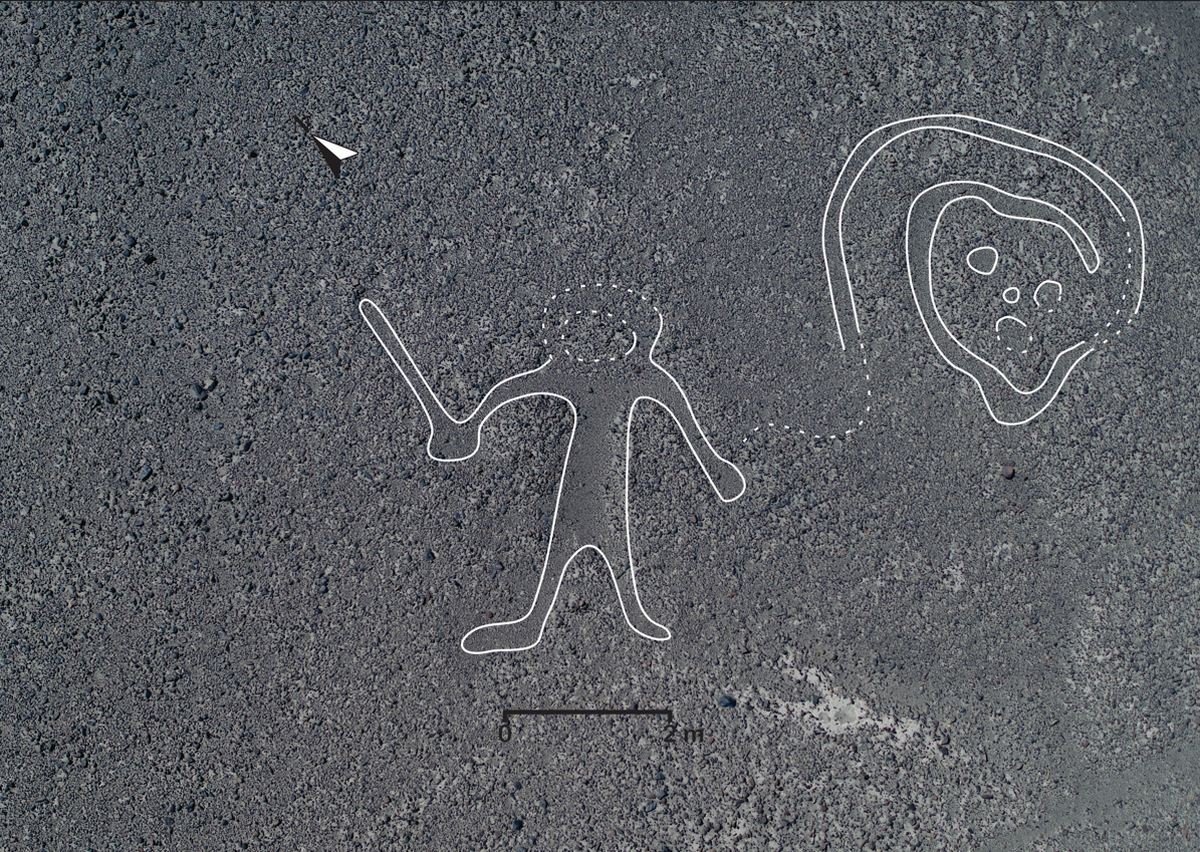
A pair of geoglyphs show a human figure holding a large stick as an abstract swirl – that almost appears to frown – looms nearby. Photos show another drawing of a bird with stumped tail feathers.
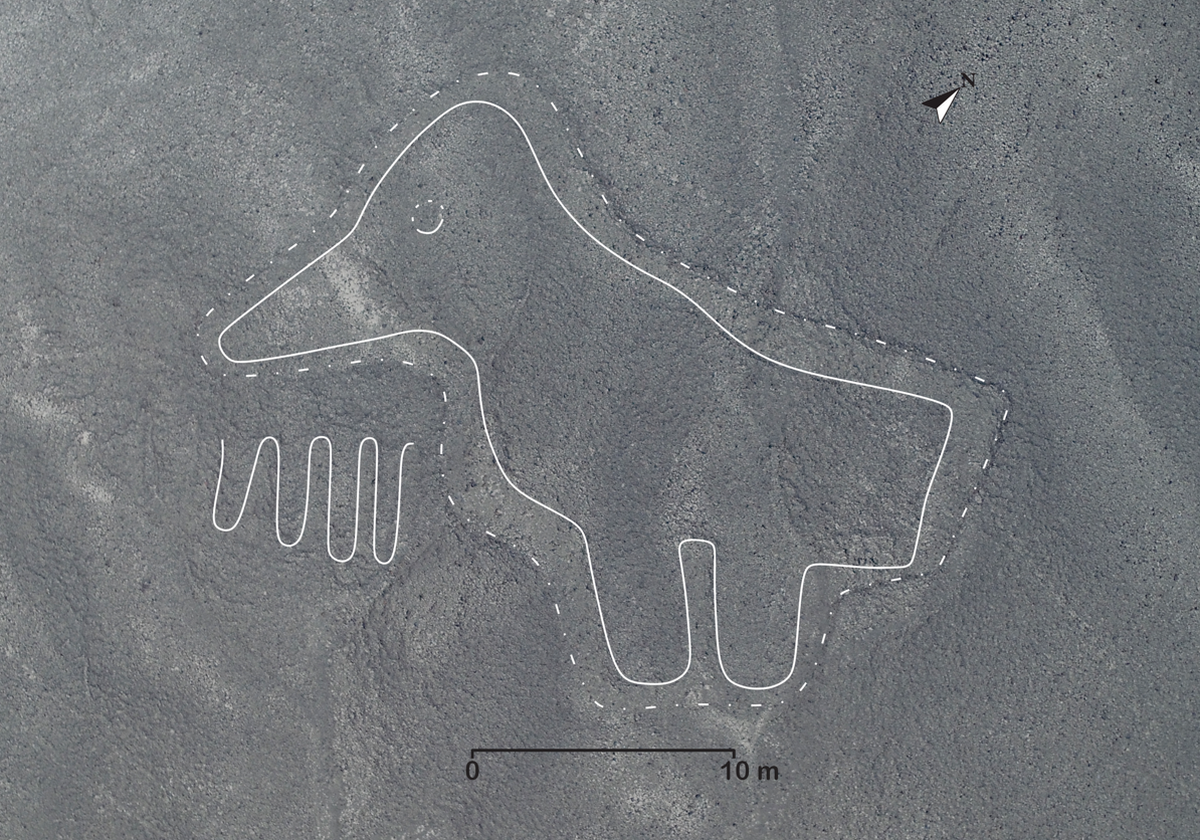
Japanese researchers also found geoglyphs of camelids, a camel relative, and killer whales, the news release said. The archaeologists will continue studying the new geoglyphs with hopes of identifying any common patterns.
Nazca is about 275 miles southeast of Lima.
This story was originally published December 14, 2022 at 10:14 AM with the headline "Watchful cat, slithering snake among 2,000-year-old drawings found in Peru. Take a look."