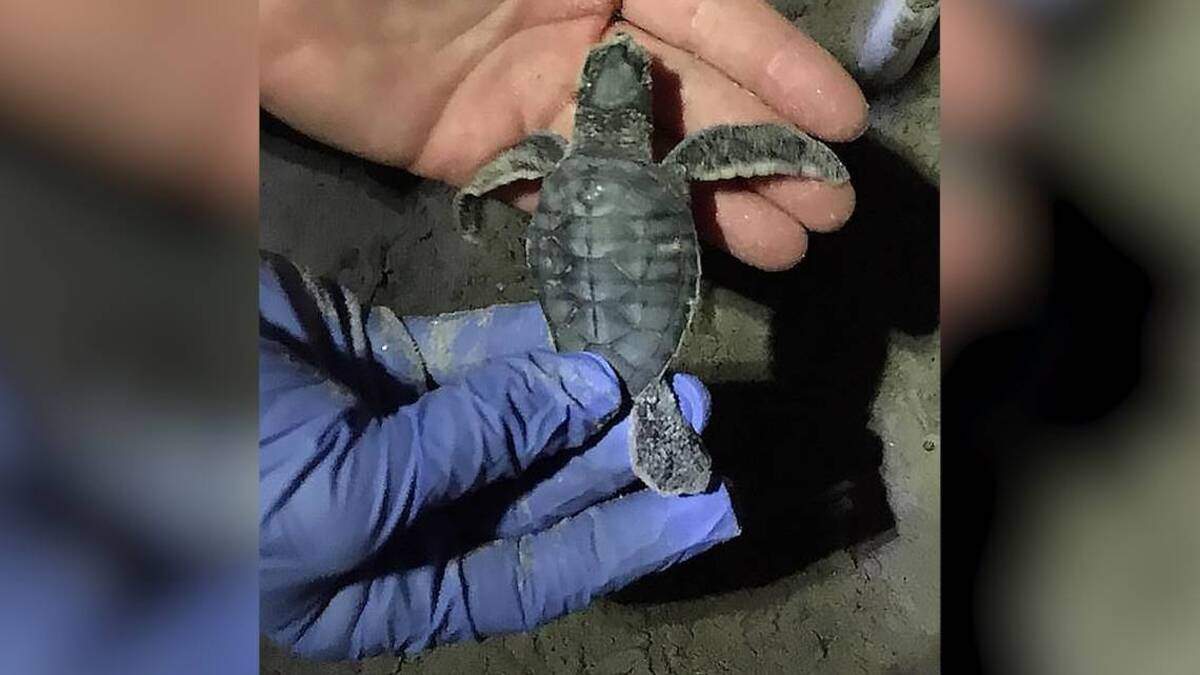
Sea turtles need your help to survive. Here’s how to lessen the human footprint
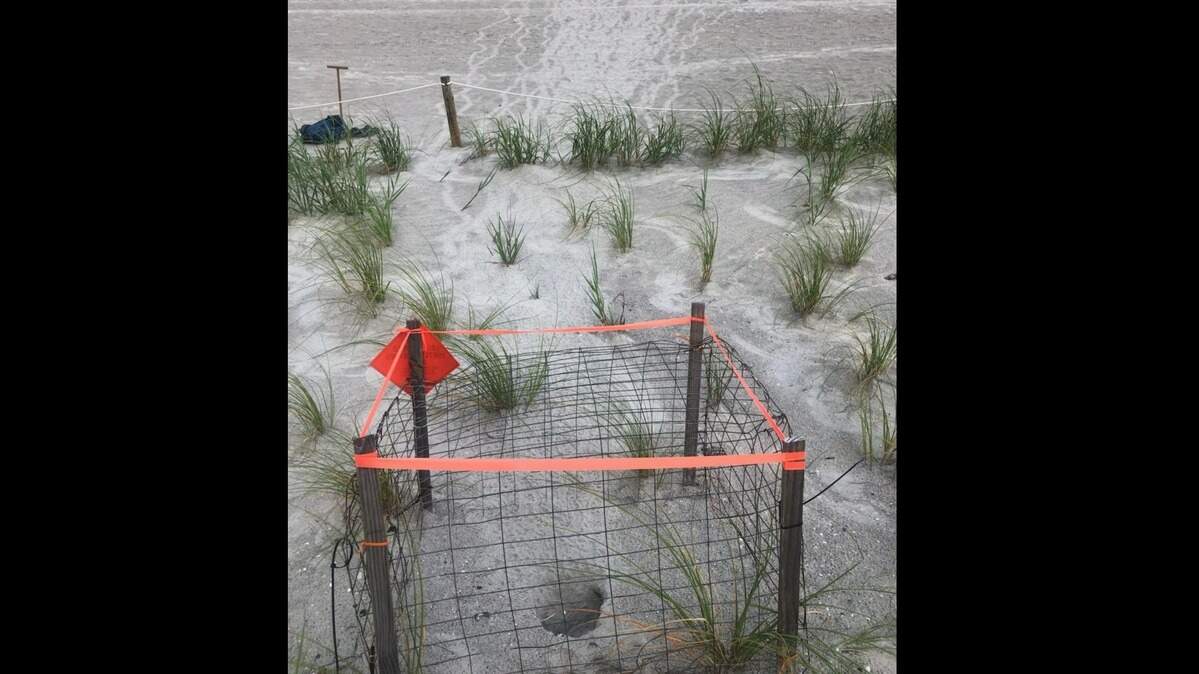
Beaufort County’s favorite visitors are only days away from arriving.
And if Amber Kuehn, a marine biologist and director of Hilton Head Island’s Sea Turtle Patrol, has her prediction right, May 8 is when the first nest will be laid.
For the sea turtle mamas to their teeny babies, the journey from nesting to hatchling isn’t straightforward. Lessening the human footprint on the beaches is vital for the nesting season, which begins May 1 and officially ends Oct. 31.
For the baby turtles that hatch on South Carolina beaches and make it to the ocean, they have a three-day, 70-mile swim in front of them to reach the Gulf stream. About one in 100 will live to be 3 days old. And only one in 1,000 will make it to adulthood. They are low odds, but even before the hatchlings attempt their journey, mama sea turtles need ideal conditions to nest.
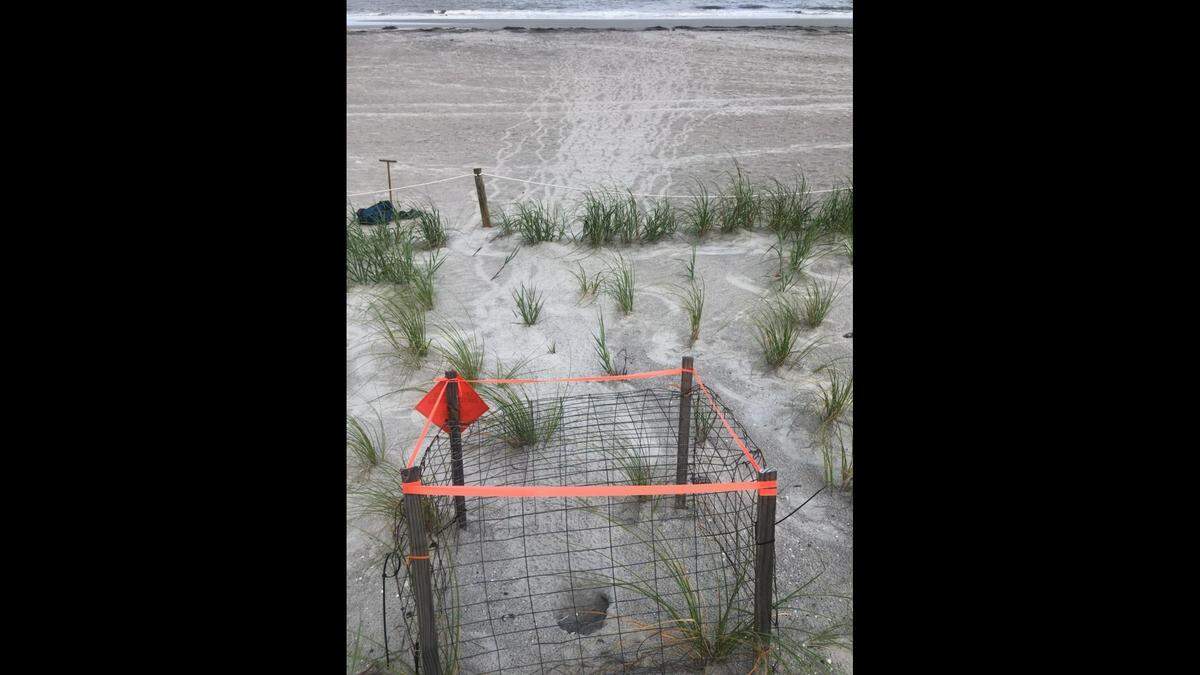
Artificial lights shining onto the beach at night, loud noises, people who come too close and beach furniture that’s left out all can contribute to false crawls (where a mother comes ashore and doesn’t lay). When a mother is successful, she will walk the shore at night, lay about 120 eggs in a nest, cover it and head back to the ocean.
Based on the sand’s temperature, the eggs will incubate between 45 and 60 days. The newborn sea turtles then take two to three days to wiggle from their shell and dig up to the surface.
From there, the hatchlings face many threats before they even reach the water — many of which can be deterred.
On Hilton Head, a town ordinance adopted in November 2019 says holes on the beach cannot be deeper than a foot. The hole can neither be dug with a metal shovel, nor can it be bigger than 30 inches. Before the beachgoer leaves, they must fill in the hole, which is important so hatchlings do not get trapped. The ordinance also bars leaving personal property on the beach overnight and requires people to dismantle sandcastles 30 minutes before sunset.
A separate ordinance requires exterior lights on the beachfront homes be shielded or pointed downward to lessen the number of nesting adult females and hatchlings becoming disoriented by artificial light. Recently, the town tripled the number of code enforcers.
“We hope people can do their part to pack it in, pack it out, not leave anything behind and just maintain the beauty of our beaches,” Kuehn said.
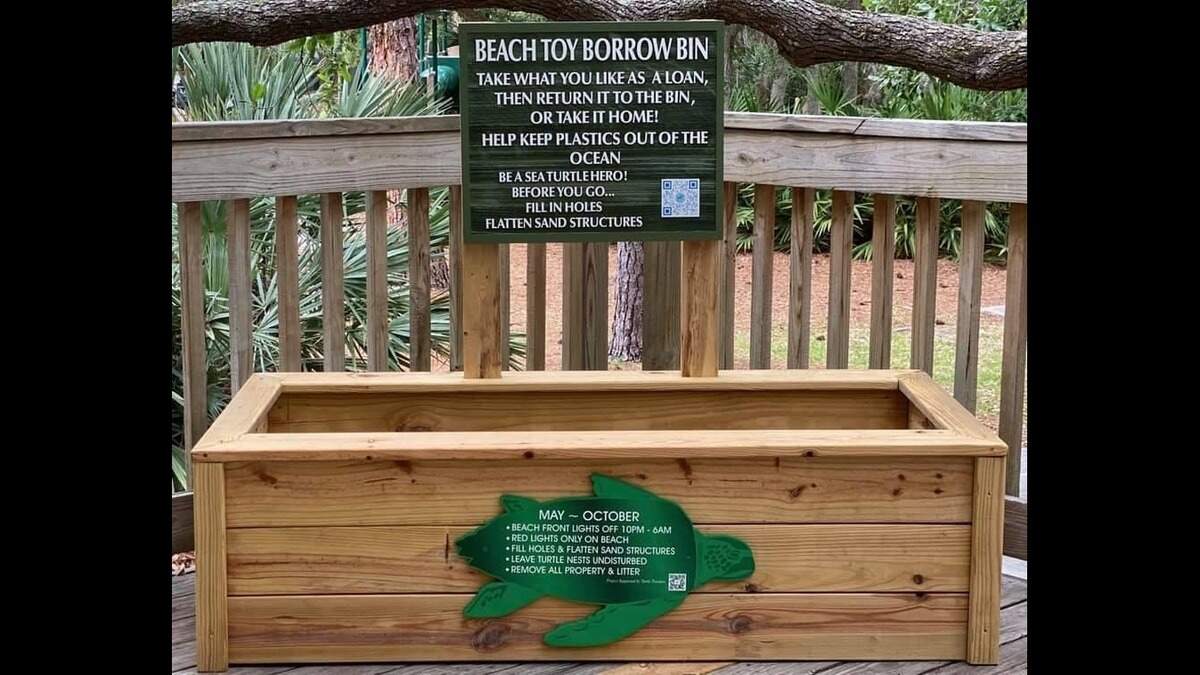
What to do when the season starts?
Nurturing and protecting sea turtles on Beaufort County’s beaches means following these rules”
- Remove large tents, chairs and personal property from the beach when leaving.
- Dismantle sandcastles and fill in holes when leaving the beach.
- Don’t touch a sea turtle on the beach. Observe them from a distance.
- Follow boating laws, especially in small tidal creeks where sea turtles like to feed.
- Keep artificial lights off the beach at night during nesting season.
- Beach front homes must shade or turn their lights downward.
- Keep beaches and the ocean clean.
- Plastic bags and balloons can cause injury or death when sea turtles mistake them for food.
Source: South Carolina Department of Natural Resources