‘Scary’ eels are popping up on Hilton Head’s beach. ‘We’ve never seen anything like this’
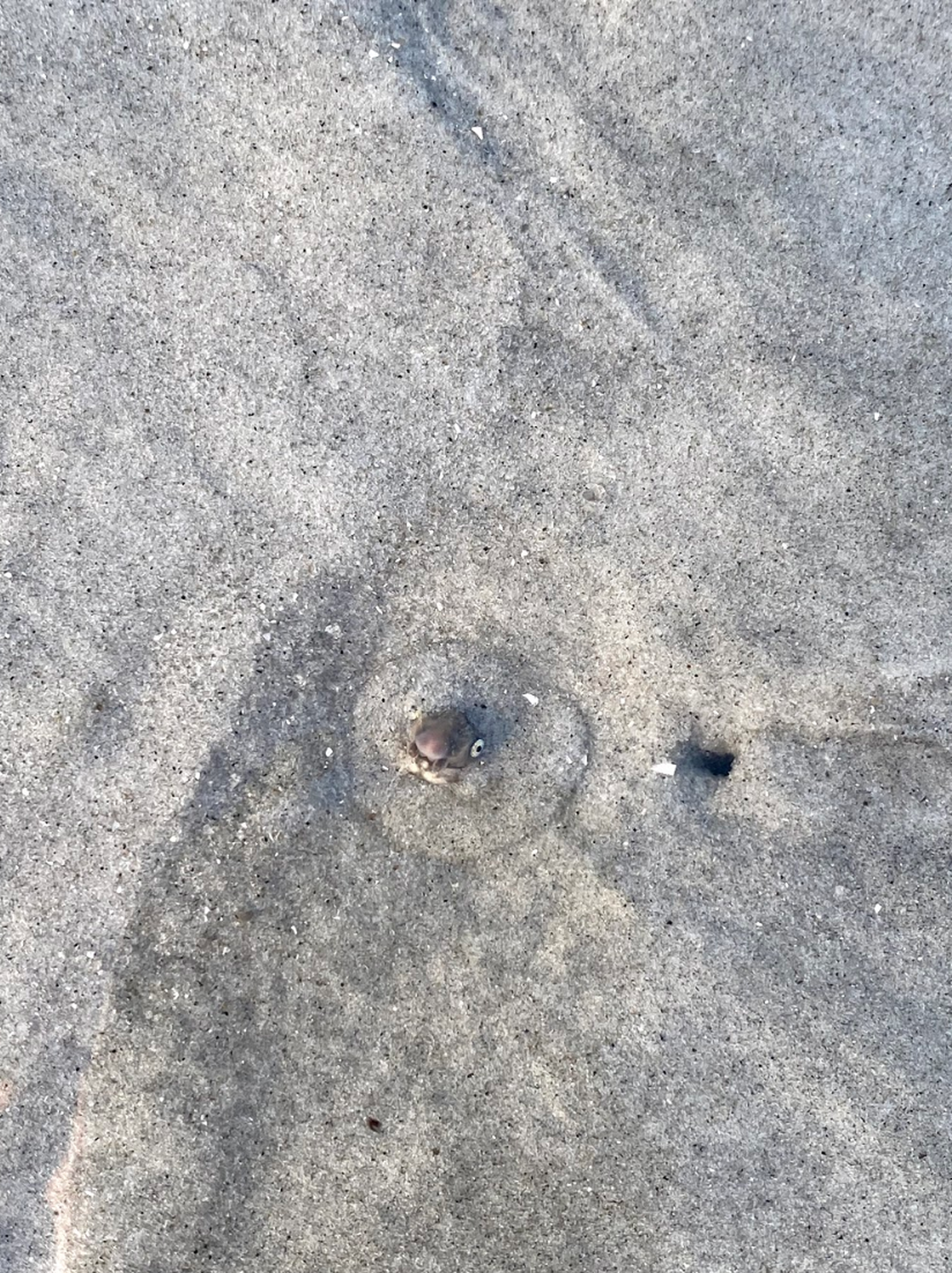
Joe Grondalski and girlfriend Shannon Ruff were walking along Hilton Head Island’s beach Tuesday when they found a head buried in the sand.
“Oh, that hole has a face!” Ruff exclaimed.
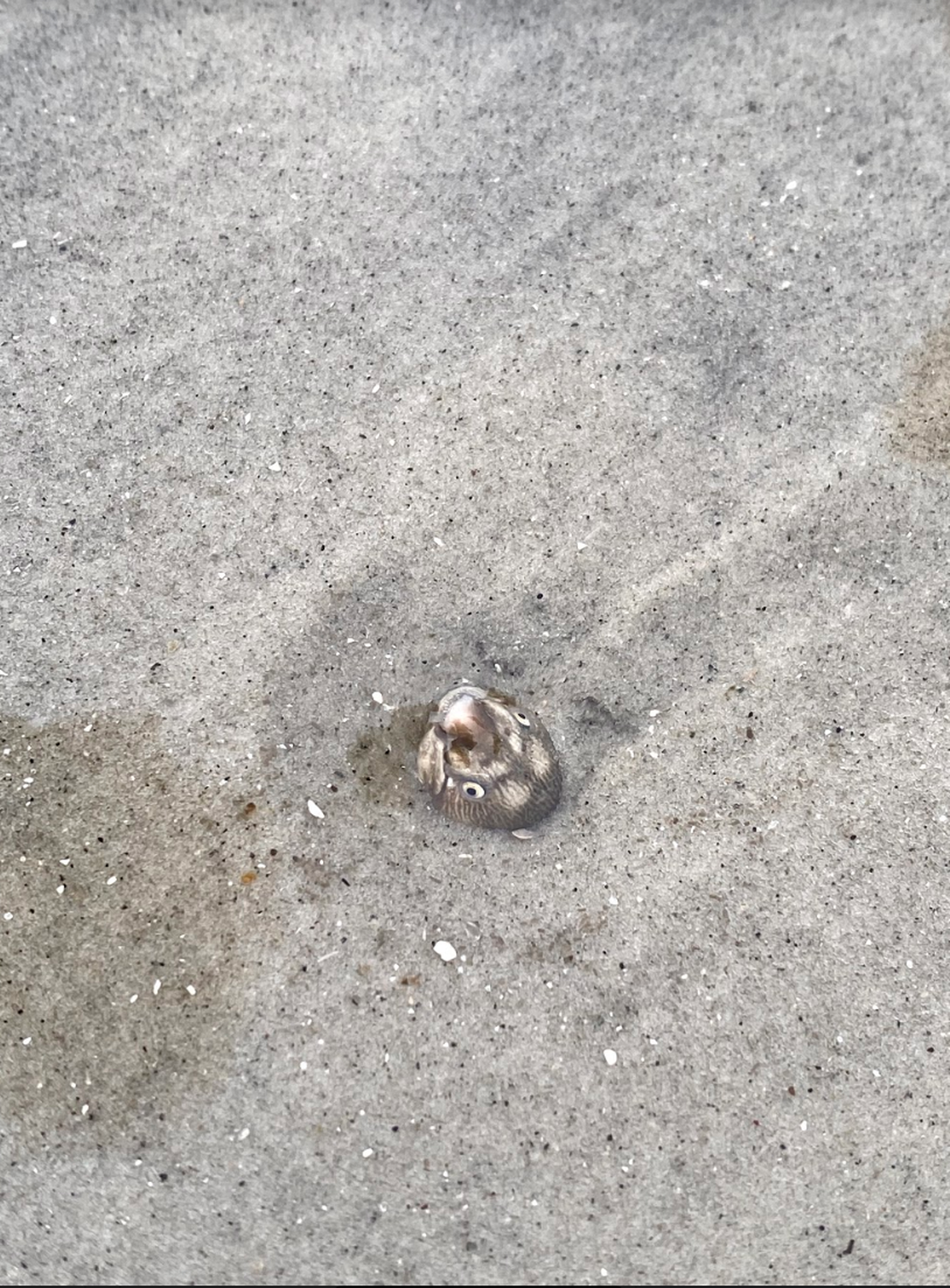
Some small creature, like a sci-fi movie monster from the 1990s, or a trap-door spider, was stuck vertically in the sand, its silver head poking out into the water.
Was it dead?
Ruff bent down to get a closer look. The creature quickly retreated deeper into its hole, then popped up a bit later, its mouth opening and closing.
The couple later saw another 10 or 12 of the bizarre critters south of the Alder Lane beach access.
Grondalski posted a photo to a local Facebook group and contacted the S.C. Department of Natural Resources.
“We were stumped,” Grondalski said in a Thursday interview.
Everyone else was, too.
“I’ve lived here for over 20 years and have NEVER seen that!” one Facebook user wrote.
“That is so scary looking!” another wrote.
“It’s a graboid,” someone joked, referring to the giant worm monsters in the 1990 “Tremors” movie.
But DNR eventually told Grondalski that he and Ruff likely found several shrimp eels, which are not invasive and are harmless to humans.
“We’ve been living here maybe five years, but we’ve been coming to Hilton Head since the early ‘80s, and we’ve never seen anything like this,” Grondalski said.
What are shrimp eels?
DNR biologists had a tough time reaching a consensus on the eels’ identification.
Maybe that’s because shrimp eels, or Ophichthus gomesii, are “poorly studied and very little is known about their behavioral patterns,” according to one website about fish species off the coast of Mexico.
Shrimp eels are part of the snake eel family. They are commonly found in the Gulf of Mexico and have been identified off the coasts of North Carolina, South Carolina, Georgia and Florida, among other places, according to the Smithsonian Tropical Research Institute.
The eels can grow up to 35.9 inches long, according to the institute.
“Many snake eels bury themselves, tail-first, into the sediment in the daytime and abandon their burrows at night,” according to a Texas Parks and Wildlife Department website. “If eaten whole by another fish, they have been known to try and burrow their way out of the predator’s stomach.”
Erin Weeks, a DNR representative who responded to Grondalski, said it’s unusual to see shrimp eels hang out in the surf line.
But Grondalski and Ruff were not squeamish or freaked out.
“We’re both animal lovers,” Grondalski said, “and the ocean holds all kinds of strange creatures. It was more like, ‘Oh my God, what is that?’”