
Natural Lowcountry: Iconic bird may be the coast’s canary, tracking effect of plastics
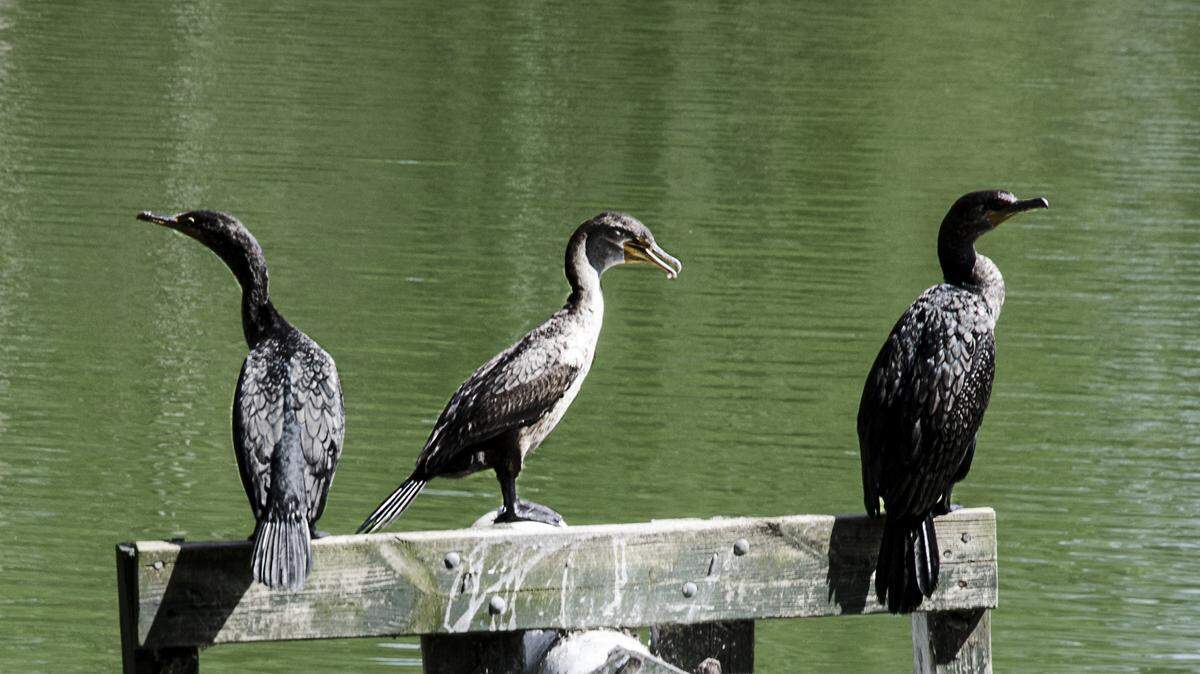
Lowcountry coasts and lagoons wouldn’t be the same without the gawky presence of Double-crested Cormorants (Phalacrocorax auritus).
When not riding low in the water or diving for fish, these goose-sized, prehistoric-looking birds perch awkwardly on the ground with wings widespread, or they line up like sentries on tree branches, wires, docks, posts and channel markers.
Double-crested Cormorants are found throughout most of the U.S. during various parts of their life cycle — either breeding, migrating, or overwintering — and in some places, such as the Lowcountry, they’re present year-round.
They look rather similar to Anhingas, also common here, but cormorants have shorter necks and tails, and overall their bodies are matte black. Anhingas are black with silvery white markings on their back and wings. Their bills are tapered and spear-like, while the bills of cormorants are hooked, with an orange patch at the base.
The “double-crested” part of the common name refers to two inconspicuous tufts of feathers projecting from the head. These are visible only during the breeding season.
Look for cormorants near both freshwater and saltwater, where their diet consists almost entirely of fish. Their impressive diving skills are aided by webbed feet that help propel them through the water. Cormorants can descend to depths of 25 feet and stay underwater for over a minute.
Unlike many other waterbirds, cormorants lack well-developed oil glands, so their feathers tend to get waterlogged after dives. This is why you’ll often see them resting motionless for long periods with their scraggly wings spread out to air-dry.
Cormorants form breeding colonies near water, on islands or in trees, often in the company of other water birds. Pairs make a platform nest from sticks, guano and debris, and both sexes incubate the eggs.
Double-crested Cormorant populations once suffered significant declines from the effects of DDT and other pesticides, but numbers increased steadily after DDT was banned in 1972. The species is protected under the U.S. Migratory Bird Act. Despite periodic culling for wildlife management purposes and to protect fishing stocks, cormorants are widespread and common throughout much of the country.
They’ve also attracted attention because of their habit (shared with many other birds) of appropriating human-generated trash into their nests.
For example, scientists monitoring 50 cormorant nests in an Ontario park found a total of 1,442 pieces of debris, including metal, wire, and particularly plastics. Debris was either incorporated with other nesting materials or present on the nest surface itself, probably via food brought to the chicks by their parents.
Other researchers have documented the presence of microplastics, clothing fibers, glass fragments and other debris in the gastrointestinal tracts of cormorant chicks. Probably, adults are ingesting these materials in the fish they eat, and then passing them on in regurgitated food to their offspring.
It’s likely that, aside from serving as an iconic feature of wetlands in the Lowcountry and elsewhere, the Double-crested Cormorant may become an indicator species to track the effects of plastics and other trash on aquatic ecosystems.