
The ubiquitous dandelion: Find it wherever there’s sunlight and moisture
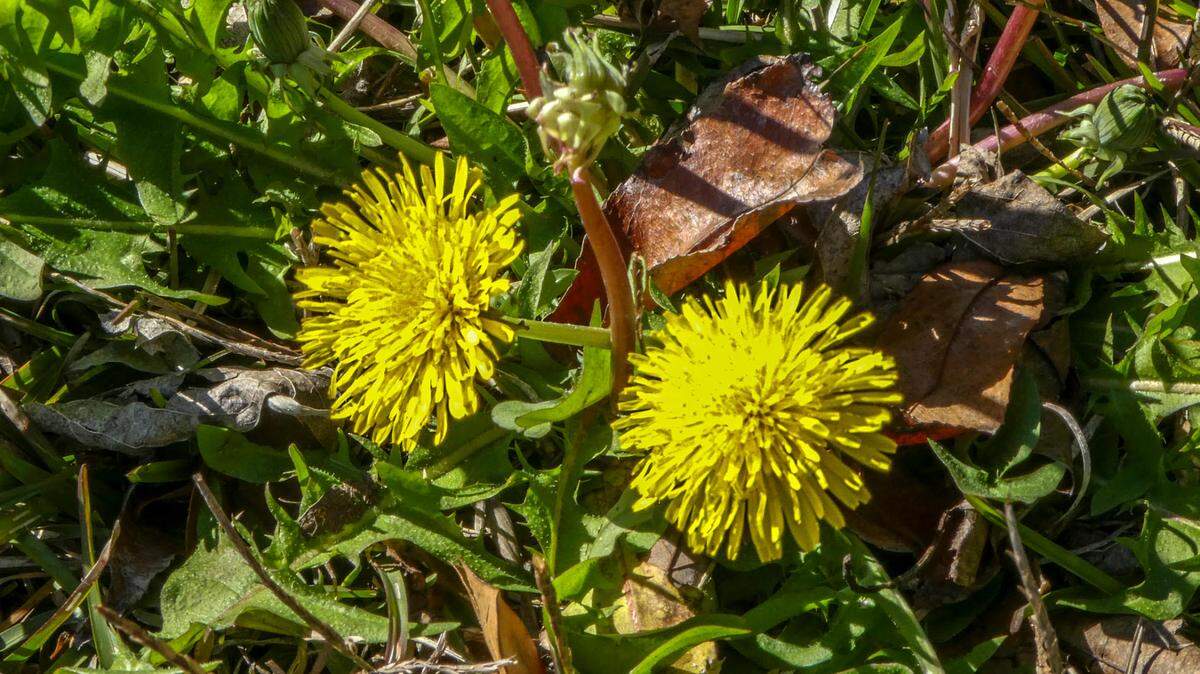
Most people recognize dandelions, of course, and here in the Lowcountry, they bloom almost year-round. There are, in fact, some 60 kinds of dandelions worldwide — perhaps many more, since classification is complex and experts disagree.
One of the most widespread species is the common dandelion, Taraxacum officinale, introduced to the U.S. by European settlers because of its medicinal and culinary uses. By the late 1600s, the plant was well established in North America. Now you’ll find it wherever there’s sunlight and enough moisture, especially in frequently disturbed habitats: fields, roadsides, vacant lots, backyards, even sidewalk cracks. Once you see a few dandelions blooming in your lawn, you’re apt to see more before long, since these ubiquitous weeds have an amazing ability to proliferate.
For one thing, dandelions grow from a tough, deep taproot that is very hard to pull up. Even broken-off pieces of root can sprout new plants. Furthermore, a single plant can produce as many as 5,000 seeds. A dandelion “puffball” comprises hundreds of tiny fruits, each containing a single seed and equipped with a silky parachute, enabling it to travel far and wide on the slightest breeze.
Each fruit arises from a small, yellow flower, or “floret.” Look closely at a dandelion in bloom, and you’ll see some 150-200 of these strap-shaped florets packed together. The flower head itself is surrounded by two rows of green, leaflike “bracts.” Each floret produces nectar and contains both male and female structures, so dandelions can be cross-pollinated by bees and other insects. They can also self-pollinate — another factor contributing to their prolific seed output.
But there’s more to the story. It turns out that pollen — the vehicle for sperm — is not even necessary for dandelions to reproduce. Along with certain other plants, such as blackberries and hawkweeds, many dandelions can form seeds asexually, without the need for pollination. This process is called apomixis.
Apomixis is complicated, and it occurs in different ways in different plants. But basically, in apomictic dandelions, egg cells in the florets undergo a different cell division process than they would during normal development, producing fully functional seeds without needing sperm. These seeds, packaged in minuscule fruits and dispersed as usual through silky puffballs, give rise to plants that are genetically identical to the parent plant. So because of apomixis, the dandelions you see in a field or in your yard may well be clones originating from a single pioneering plant.
Small wonder, then, that dandelions seem virtually everywhere. And many of the dandelions we see today probably owe their origin to cloned plants that germinated centuries ago.