
This dandelion-like weed may have brought medicinal benefits — from Southeast Asia
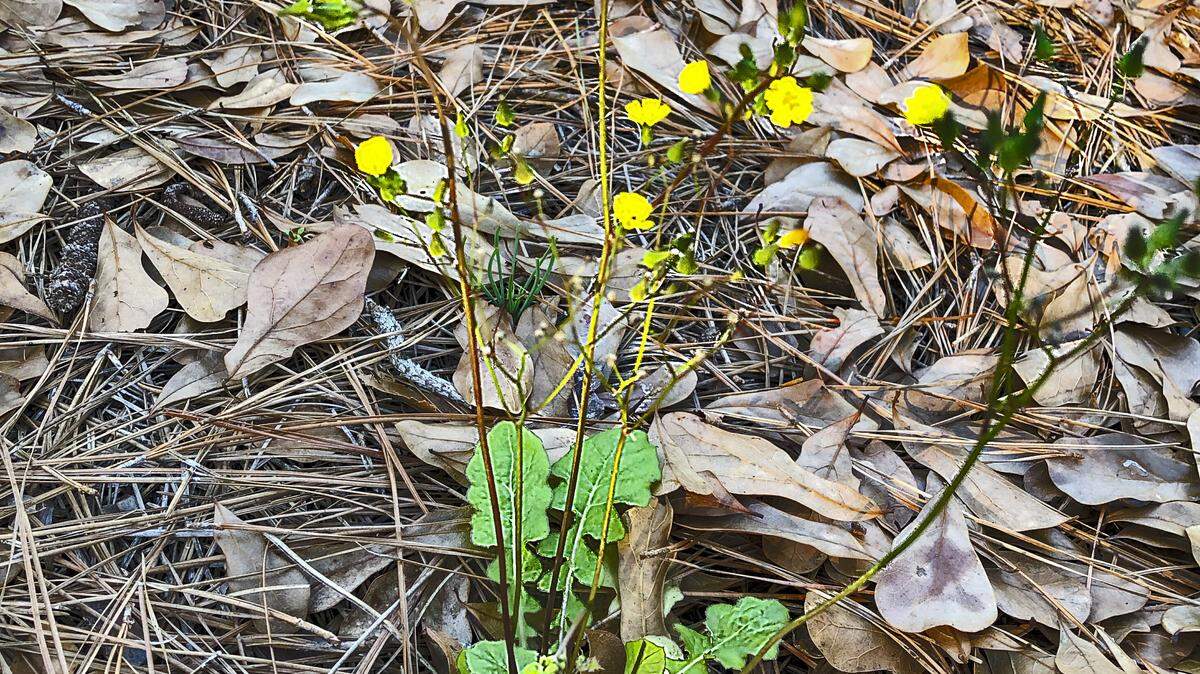
If you’ve noticed fragile, dandelion-like plants popping up around your yard this winter, chances are they’re Asiatic hawksbeard (Youngia japonica).
The species is in the same plant family (Asteraceae) as dandelions, along with more than 32,000 other plants, including daisies, asters, and sunflowers.
Like dandelions, Asiatic hawksbeard grows from a basal rosette of lobed leaves and produces clusters of small, bright yellow flowers. But dandelions have a sturdier, deeper taproot and a thicker, hollow stem bearing just a single flower cluster — the typical dandelion so familiar to most of us. Asiatic hawksbeard bears multiple, smaller flower clusters on slender stems 6- to 12-inches high.
The species is native to Southeast Asia, but it’s become widespread around much of the world. In the U.S. it’s found from Pennsylvania to Florida and throughout much of the Southeast to Texas.
Here in the South Carolina Lowcountry, Asiatic hawksbeard is characterized as a “summer annual,” though it thrives even in winter if the weather is mild. We may notice it more at such times because few other plants are in bloom.
If you look closely at what seems to be a single flower, you’ll see that each flower head is actually a cluster of minuscule strap-like flowers (florets) tightly packed together. When the plant goes to seed, it produces numerous tiny fruits bearing silky “parachutes” that promote dispersal by the wind.
Asiatic hawksbeard is adapted to growing in disturbed habitats such as roadsides, cultivated fields, gardens, and lawns. But like many other unwanted plants (“weeds”), the species has a history of culinary use as a salad and a cooked vegetable.
It’s also been used in traditional medicine to reduce fever, suppress coughing, increase urination, and treat boils and snake bites.
Recent studies have confirmed that Asiatic hawksbeard contains substances with antioxidant, anti-inflammatory, and pain-relieving properties. Further research is underway on possible therapeutic values of this often overlooked, widely distributed little plant.