Coyote sightings are ‘constant’ in SC. On Hilton Head, officials say you can shoot them
When Pamela Landefeld hears the crows and birds behind her Hilton Head Island home start to squawk all together, she knows they’re fleeing from something.
“Then a coyote runs by,” she said.
From her kitchen table in Indigo Run, Landefeld said she’s seen small packs of coyotes scamper through her backyard. She’s seen them at all times of the day. None has ever approached her or appeared aggressive, she said.
Homeowners and pet owners on Hilton Head and elsewhere in Beaufort County have reported choruses of coyote howls in the past year. Their concerns about their pets and property prompted the Town of Hilton Head Island to gather information about the animal and what the law says about killing them.
Coyote sightings and reports have been “growing steadily” over the past decade in South Carolina, according to David Lucas, the coastal region spokesperson for the S.C. Department of Natural Resources.
But the agency doesn’t keep tabs on coyote sightings simply because they’re “constant.”
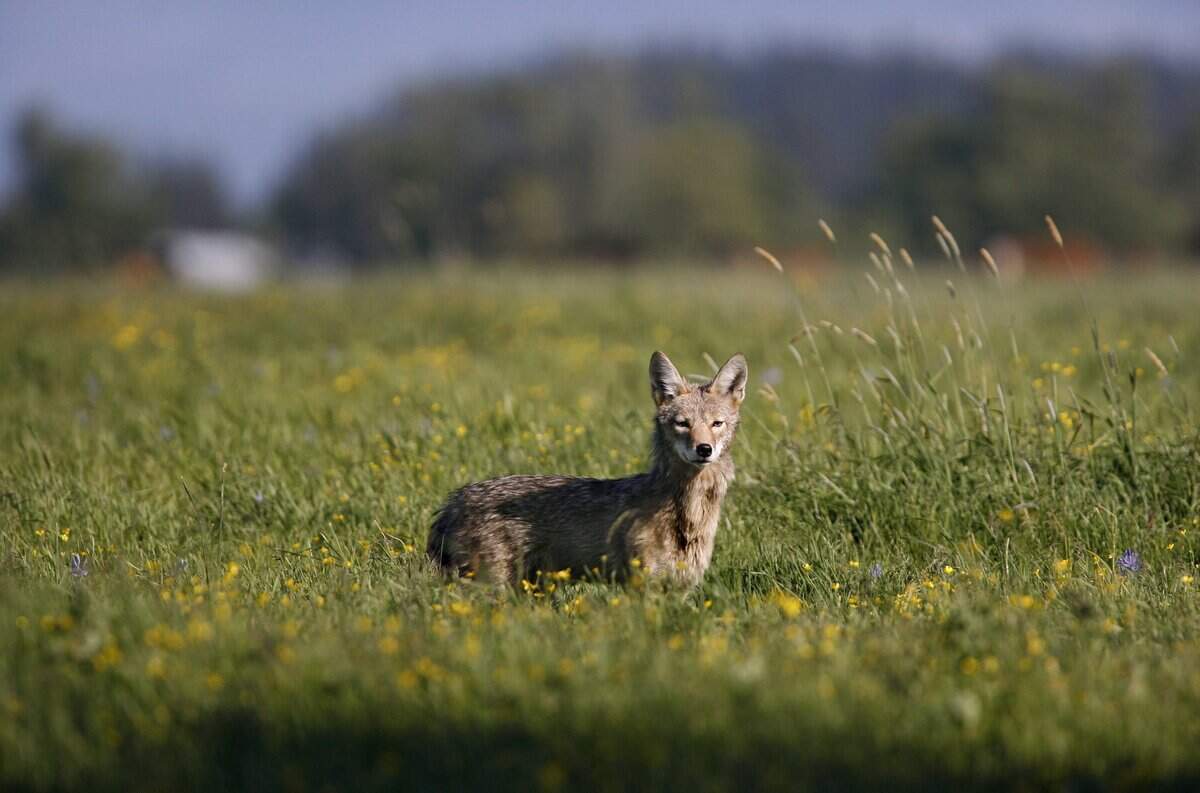
From 1970-2015, there were 367 documented attacks on humans by non-rabid coyotes in the U.S. and Canada, according to a 2018 report by the North Carolina Wildlife Resources Commission. Two of those attacks were fatal.
Animal control officers periodically receive calls of coyotes hit by cars, and some of the animals have been found to carry rabies, Beaufort County Animal Services director Tallulah Trice said earlier this year.
She said she plans to meet with local government officials throughout Beaufort County to pitch a plan to distribute baits that would vaccinate the animals in the wild.
Currently, Hilton Head has no plans to implement an island-wide eradication effort, assistant town manager Josh Gruber said. Coyotes are often used by nearby wildlife refuges to control deer populations, he said.
What can you do?
Coyotes are most active beginning at twilight into the nighttime, according to SCDNR. They hunt small mammals, including rabbits and deer fawns, but can also prey on livestock and household pets.
Coyotes “usually hunt alone or in pairs,” and are typically solitary animals, SCDNR writes.
The laws on hunting coyotes are fairly broad, Gruber said.
As part of the state’s depredation laws, property owners can shoot a coyote within 100 yards of their property without any license or permit, according to Gruber and SCDNR. Although it is illegal to discharge a firearm within Hilton Head town limits, Gruber said the town “wouldn’t look to prevent someone from shooting a coyote for depredation.”
.jpg "Screenshot (124).jpg")
Across South Carolina, residents who have a valid hunting license may hunt coyotes throughout the year. Residents may trap the animals during the trapping season — Jan. 1 through March 1 — with a valid commercial fur harvest license and a hunting license, according to SCDNR.
Increasing statewide concern about coyote populations led state Sen. Stephen Goldfinch, (R-Charleston, Georgetown and Horry counties) to propose a bill in January that would award a $75 bounty to hunters for each coyote killed, according to reporting from The State newspaper in Columbia.
That bill is still in committee in the Senate.
If you suspect a coyote is on your property, you can take non-lethal action:
- Install fencing: Woven fencing should go at least two feet underground to deter digging.
- Clean up your yard: Coyotes use bush cover to hunt, so removing vegetation may make hunting more difficult.
- Add lighting to your backyard: Overhead lighting and parked cars have been shown to scare off coyotes.