
Fish kill hits Hilton Head lagoon. Here’s what state officials found when they investigated
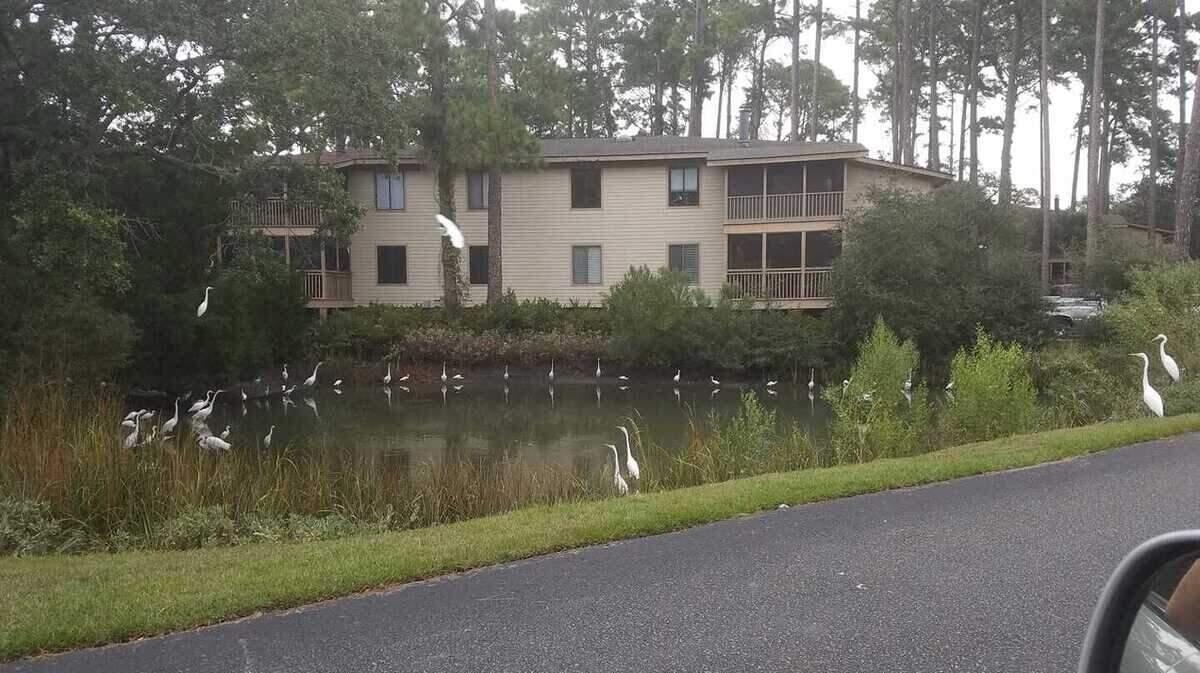
State environmental officials have ended their investigation of dead fish floating on the surface of a Shipwatch Point apartments lagoon after a resident reported it Monday.
Some residents of the community near Broad Creek Landing had posted on Facebook that the fish had drawn a large number of birds to the lagoon.
South Carolina Department of Natural Resources and South Carolina Department of Health and Environmental Control responded to those reports and and found that no dangerous chemicals or harmful algae blooms had caused the fish to die. They identified the fish as freshwater brackish fish, said Chad Holbrook, a freshwater fisheries coordinator with DNR. Brackish fish are common in lagoons because they thrive in a mix of saltwater and freshwater habitats.
DNR officials said the fish kill is a result of a change in oxygen levels in the water.
Ponds and lagoons go through four stages throughout the year in which they switch between stratification and turnover phases. Both of these stages occur due to changes in temperature.
Turnover is the gentle, natural mixing of pond and lake waters.
Stratification is when the bottom layer of water is colder than the top. It is caused by changing temperatures in surface waters brought on by the progression of the seasons, according to University of Arkansas’ agriculture division.
Small, shallow ponds and lagoons are more apt to turn over in the summer months and have greater fish kills than larger, deep ones, the report stated.
The turnover phase is the one most likely to produce dead fish, DNR says.
The oxygen levels also can change due to a consecutive number of cloudy days followed by rain or thunderstorms, Holbrook said.
Oxygen levels are also affected by the number of weeds in the body of water that have been sprayed with pesticide or weed killer. When those weeds decompose, it affects oxygen levels and can kill fish, Holbrook said.
The only time DNR and S.C. DHEC become concerned with freshwater fish kills is if other wildlife is also dying in the area. This includes birds and alligators that also call lagoons and ponds home, Holbrook said.
“It’s still important for folks to keep an eye out for events like this because you never know when it could be a harmful algae bloom or chemicals in the water,” Holbrook said.
If you see a large number of dead fish in your pond or lagoon, call S.C. DNR’s 24/7 dispatch center for freshwater fish kills: 800-922-5431.
This story was originally published September 18, 2018 at 2:22 PM.