
Professional Opinion: Signs of stroke -- Would you know what to do?
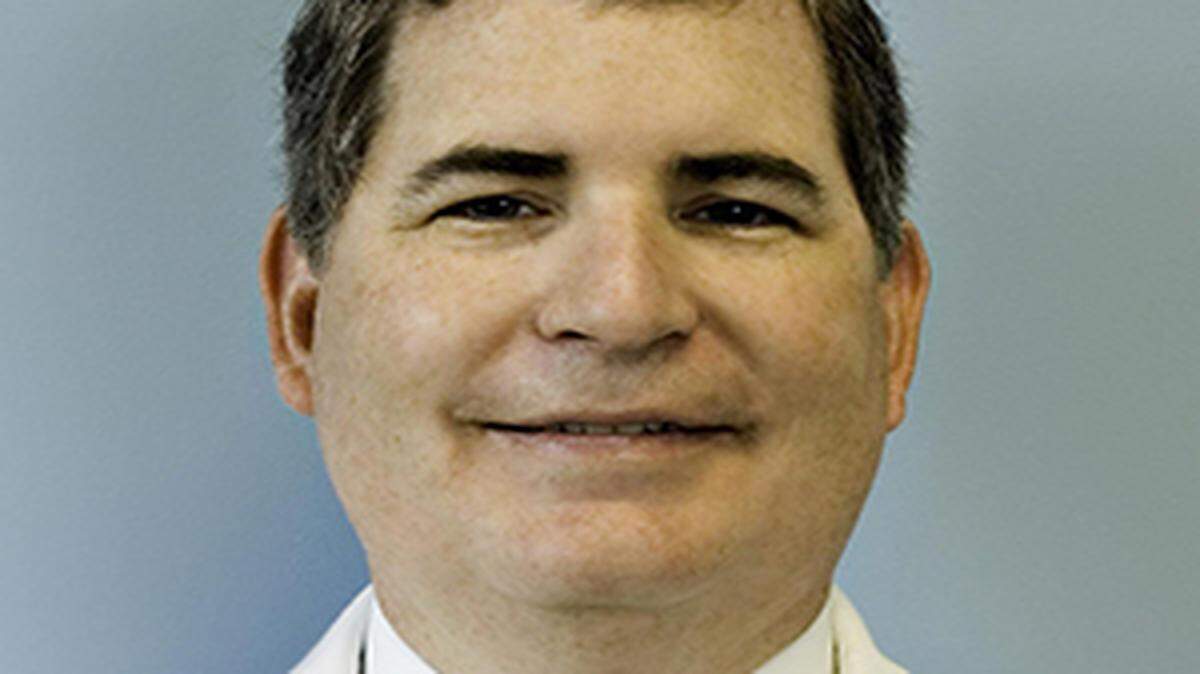
This week, Dr. Paul Mazzeo, a Beaufort Memorial board-certified neurologist with Coastal Neurology in Beaufort and Bluffton, discusses stroke and the symptoms of stroke.
Question: I hear a lot about the importance of learning to recognize the signs of stroke. What are the signs or symptoms and are they the same for both men and women? What should I do if I think I'm having a stroke?
Answer: Stroke remains a leading cause of long-term disability in the United States, but unfortunately, campaigns to encourage people to go to the emergency room when symptoms start have had limited success.
Recent studies show that supplementing clot busterswith retrieval devices where a doctor can literally go into a blocked vessel and remove a blood clot are effective in reducing or eliminating brain injury. This has made it more imperative than ever that people with stroke symptoms seek medical attention within the first few hours of their symptoms.
If you think someone might be having a stroke, think "FAST." FAST is the mnemonic device is easiest for people to remember. Look for these symptoms:
*Facial drooping on one side when smiling
*Arm drifts downward when held in front of you
*Speech is slurred or nonsensical
*Time to call 911 when these signs are present
Other symptoms of stroke may include a sudden loss of vision in one eye, sudden onset of severe headache (like someone flipping on a light switch) and a staggering gait due to the sudden imbalance or paralysis of a leg.
Women have more strokes than men, although the symptoms of stroke are the same. However, it is important to remember that these symptoms should be evaluated within the context of risk factors such as age and co-morbid diseases. For instance, the 25-year-old woman with chronic headaches who experiences a throbbing headache with numbness and tingling in an arm is less likely to be experiencing a stroke compared to a 65-year-old diabetic with high cholesterol and blood pressure having the same symptoms.
While some stroke risk factors are beyond our control -- age, gender -- preventing a stroke relies upon treating modifiable risk factors such as high blood pressure, elevated cholesterol, diabetes, abdominal obesity, smoking and atrial fibrillation.
People often ask which hospital they should go to if they experience stroke symptoms. The answer is, always go to the closest hospital as time is of the essence. While clot busters may be administered up to six hours after symptom onset, those who benefit the most are treated within three hours. We are fortunate in that Beaufort County has two stroke centers (Beaufort Memorial Hospital and Coastal Carolina Medical Center) that are tied into the MUSC REACH Telestroke program.
People in those emergency rooms have video access to a dedicated stroke neurologist at MUSC in Charleston who can assist the emergency room physician in determining whether a stroke is present and what the best treatment of course may be.
The most critical thing you can do if you think you or a loved one is having a stroke is to make that 911 call. Neurologists say "time is brain" for good reason. Every moment without treatment risks permanent injury to the brain.
Related content:
- Professional Opinion: Knee pain -- is it normal or something else? Aug. 31, 2015
- Professional Opinion: What can be done about varicose veins? Aug. 24, 2015
This story was originally published September 7, 2015 at 5:24 PM with the headline "Professional Opinion: Signs of stroke -- Would you know what to do?."