
Professional Opinion: What can be done about varicose veins?
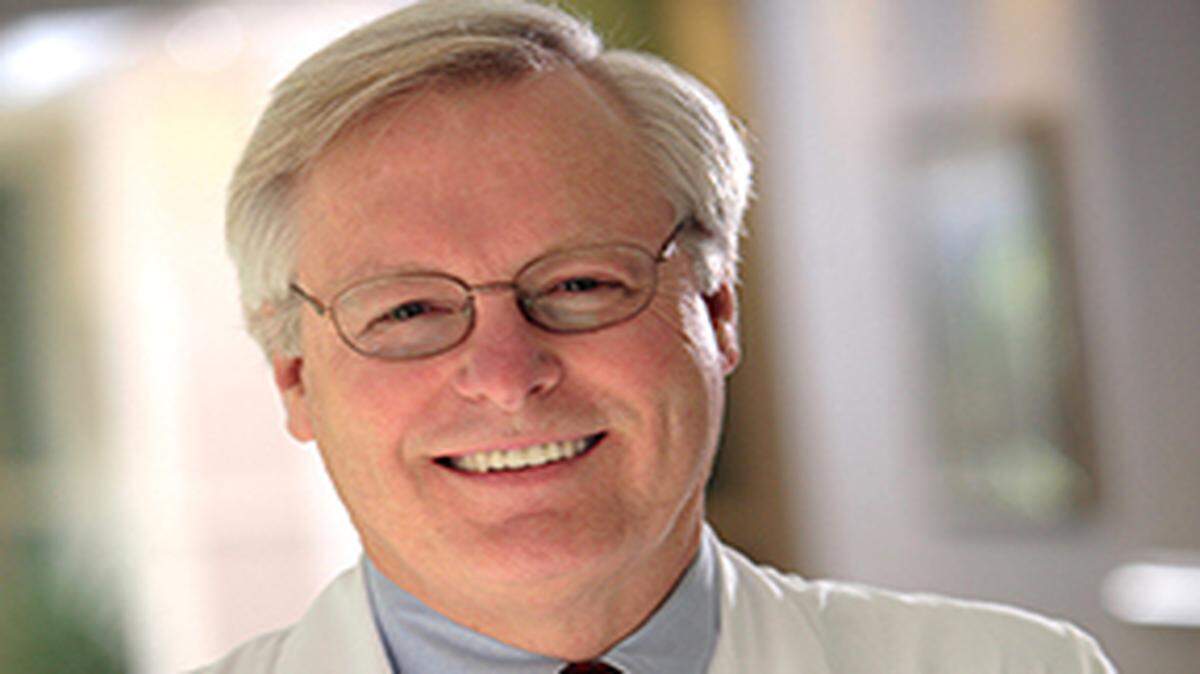
This week, David G. Kastl, a physician with the Hilton Head Vein Center who specializes in cardiac, thoracic and vascular surgery, discusses varicose veins and what can be done about them.
Question: Is there a way to prevent varicose veins? Once you get them, or start to get them, what can be done?
Answer: There is absolutely nothing good to say about varicose veins. Varicose veins are unsightly and in advanced stages become uncomfortable. Those with the condition often experience leg swelling, heaviness and pain -- not to mention leg ulcers and a risk to health. Nearly three-quarters of American women and more than 40% of men will encounter the condition by the time they reach retirement age.
Every time we stand up, all our blood should gravitate to the feet. Veins have one-way valves ensuring that blood flows upward returning to the heart.
These valves are delicate structures subject to increased venous pressure or situations that stretch and enlarge vein size. Increased pressure within the abdomen (from pregnancy, obesity, chronic cough or straining from chronic constipation) contributes to increased venous pressure in the legs.
Prolonged sitting or standing restricts venous flow and increases pressure in leg veins. Aging and the hormones of early pregnancy and menopause can also contribute to varicose veins by relaxing vein walls, allowing them to stretch and enlarge. Hormone replacement therapy and birth control pills act very similarly. There is often a family history of varicose veins predisposing leg veins to easily distend.
This increased pressure and distention creates incompetent valves allowing blood to flow downward. The reversed blood flow leads to further pressure and stretching -- a vicious cycle.
The unrelenting engorgement and pressure results in congestion and varicose veins. As the congestion increases, the symptoms of pain, swelling, leg heaviness, fatigue, itching, and night cramps or restless legs occur, not to mention, more varicose veins and their enlargement. Varicose veins also can erode through the skin causing bleeding. A patient's situation may become progressively worse and never, ever better.
Prevention is a matter of avoiding the risks. Avoid situations that increase abdominal pressure. Sedentary occupations such as a desk job, requires regular breaks. Get up and walk around. Avoid sitting with legs crossed or in one position for long periods. If not generally active, incorporate some form of physical activity into your daily routine.
On your feet all day occupations, especially with little movement, places extreme pressure demands on leg veins. Walking is important. If unable to, shift weight from one foot to the other or perform an exercise of standing on toes several times in a row. This exercise compresses calf muscles forcing venous blood up and out of the legs. If possible, take short breaks to sit, thereby, removing the constant gravitational pull, preferably with leg elevation. In addition, wear support stockings.
Many women enjoy wearing high heel shoes. Increasing heel height intensifies compression of leg muscles and veins escalating the risk and promotion of varicose veins -- the higher the heel, the worse the situation. Avoid high heels for extended periods of time. Alternate with a pair of low-heel shoes resting the legs whenever possible.
The good news is having varicose veins is not the end of the world. Many people live with the problem because symptoms can be non-existent despite their unsightly appearance.
Once varicose veins become symptomatic, don't ignore the problem. Consultation with an experienced vein center is advised.
Follow reporter Mindy Lucas at twitter.com/MindyatIPBG.
This story was originally published August 24, 2015 at 2:58 PM with the headline "Professional Opinion: What can be done about varicose veins?."