
Professional Opinion: Should I exercise even on days when getting an hour more of sleep feels more needed?
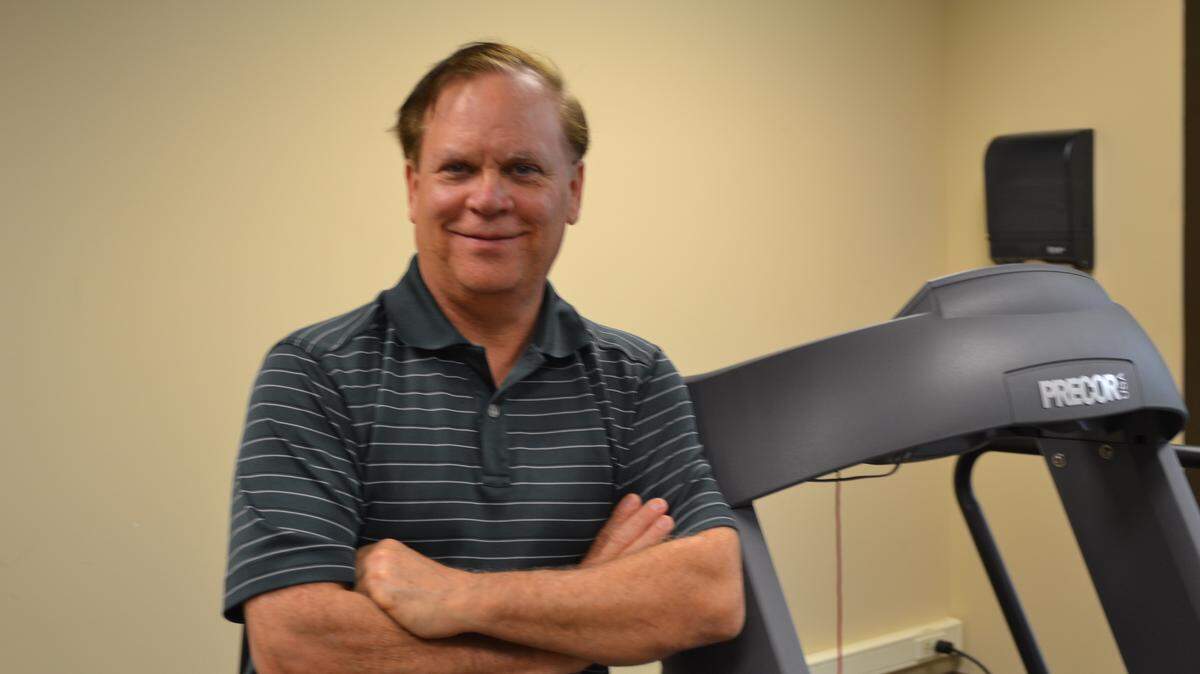
This week, Dr. Larry Isaacs of Hilton Head Hospital's cardiac and pulmonary rehabilitation department, discusses strategies to make morning workouts happen when you'd rather hit the snooze button.
Question. It's best for my schedule to work out in the morning, but some days I'm so tired that catching another hour or so of sleep is a higher priority than the gym. Should I rethink that? Is it more important that I wake up and exercise than get more sleep?
Answer. Congratulations on exercising bright and early most of the time. There are many advantages of early morning exercise. There will, however, be occasions on which you would rather just stay in bed to get a little extra sleep. This is only natural and something we all experience from time to time. However, if this desire to stay in bed becomes more frequent then the more important question becomes, "Why are you having such difficulty getting out of bed?"
There are several possibilities. Perhaps you are experiencing exercise "burnout." Individuals frequently encounter exercise burnout when they become bored with that same old workout, day after day. To overcome this boredom, simply add variety to your workout or occasionally participate in an early morning group exercise class. This can serve as a motivator as it gives you something new to look forward to and experience.
Or it may be as simple as a bad night's sleep or perhaps you went to bed a little too late. If that's the case, getting up to perform a light workout will probably make you feel better. In this case the old saying, "starting is half-done" is so true.
Here the key is making that first move to get out of bed: try placing the alarm clock on the other side of your bedroom. Now you will have to walk across the room to turn off the alarm and since you are up, you might as well stay up and exercise.
If you can rule out boredom or the occasional late night out as being your problem but find it increasingly more difficult to get up, then you may be experiencing a more serious problem known as overtraining syndrome. Common symptoms include: an unexplained decrease in performance, increased generalized fatigue, mood changes, persistent muscle soreness and/or muscle and joint stiffness, gastrointestinal disturbances, an elevated resting heart rate, increased susceptibility to upper respiratory infections, increase in overuse injuries, loss of appetite and insomnia.
Overtraining syndrome can occur when exercise is performed at a high intensity and duration over an extended period of time. In other words, exercising at maximal or near maximal levels day after day can bring on the symptoms mentioned above. The syndrome has often been described as being caused by "too much of a good thing." That's because overtraining syndrome is caused when the body does not receive enough rest (sleep/recovery) following strenuous and prolonged exercise. It is important to realize that the attainment of physical fitness is achieved not only through physical exercise, but must also incorporate appropriate nutrition and rest. Let's examine why appropriate rest and nutrition are so important in avoiding overtraining syndrome.
Training adaptations come about whenever the body is placed under a progressive overload (exercise). When you exercise, this overload causes a breakdown in many physiological systems, such as the muscular and cardio-respiratory systems. With appropriate nutrition and rest, the body not only repairs these physiological breakdowns, but repairs them to a degree that is better and stronger than before. Thus a mismatch between exercise and rest (sleep) is the primary reason individuals experience symptoms of overtraining symptom. Therefore to overcome the staleness associated with overtraining syndrome, more recovery time may be needed.
If symptoms are minor, just going to bed earlier and temporarily reducing your training intensity for a few days should correct the problem. However, if symptoms are severe, not only is more rest in order, but you should also notify your physician. Fortunately, the most severe forms of overtraining syndrome are generally seen only in the highly competitive athlete and not the recreational athlete.
Recreational athletes should keep in mind that "no pain, no gain" is not an accurate statement. According to the American College of Sports Medicine, the health benefits of exercise can be accomplished with as little as 30 to 60 minutes of moderate intensity aerobic activity just five days per week.
Follow reporter Rachel Damgen at twitter.com/IPBG_Rachel.
RELATED CONTENT
- Professional Opinion: Which is better: A walk outside or a workout on an elliptical or treadmill?
- Professional Opinion: Are dogs' mouths really cleaner than humans'?
- Professional Opinion: Is out-of-season produce as good for you as in-season?
- All Professional Opinion columns
This story was originally published September 22, 2014 at 6:20 PM with the headline "Professional Opinion: Should I exercise even on days when getting an hour more of sleep feels more needed?."