A ‘king tide’ to heighten water levels on Hilton Head
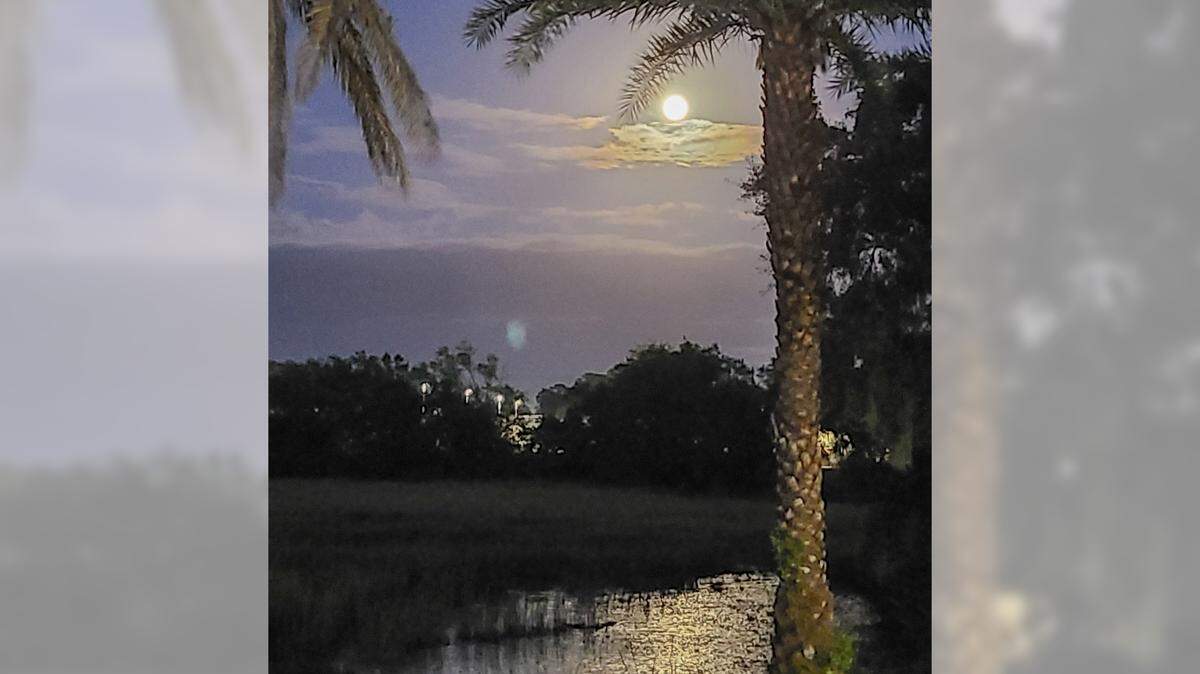
Communities up and down the South Carolina coast can expect coastal flooding through at least Wednesday this week as a “king tide” brings higher than-usual-tides to the Lowcountry. In Beaufort County, there is a minor to moderate risk of coastal flooding in the coming days.
“King tide” is a colloquial term used to describe very high tides that occur when the moon reaches the closest point to earth that it can. The gravitational pull that drives the rise and flow of tides is stronger in that closer position, according to the National Oceanic and Atmospheric Administration (NOAA).
Over time, the frequency of king tide events may increase as a result of sea level rise, according to the South Carolina Department of Environmental Services (SCDES).
The Fort Pulaski tide station predicts the high tide at 9 p.m. Tuesday will be 8.3 feet; the average mean high water height at the station is 7.13 feet.
Shore Beach Services, which provides lifeguarding services on Hilton Head Beaches, said they are flying red flags on the beaches because of the unusually high tide and rough surf. Beachgoers are instructed to not enter the water if they’re not confident swimmers.
Heather Woolwine, a spokesperson for the town of Hilton Head, said that there are some spots on the island where king tides interfere with roadways. To date, the king tide has not notably impacted public infrastructure.
The following roads do often get wet during king tides, according to Woolwine:
- Mathews Drive near Central Oak Grove Missionary Church
- Singleton Beach Road between Castnet and Collier Beach Road
- Point Comfort Circle at the end of Point Comfort Road
The National Weather Service Office in Charleston said that coastal flooding is expected in Charleston and coastal Colleton counties, with effects spreading southward down the coast throughout the week. Some road closures are also expected, the office said.
SCDES runs the South Carolina King Tides Initiative, where citizens can submit photos of king tide events to document their impact. The agency can then use those photographs to better analyze the effects of sea level rise in coastal communities. Citizens can submit photos on the MyCoast: South Carolina app.