Want to photograph fireflies at Congaree? Good luck — tripods are no longer allowed
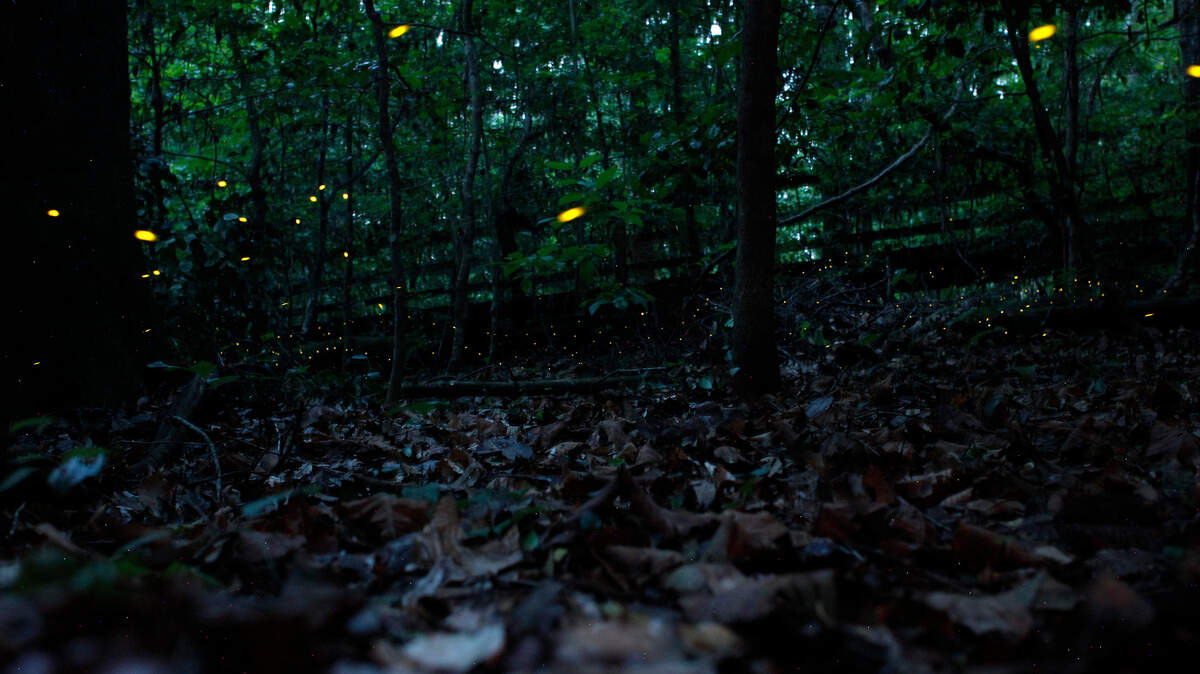
Picture this: you’ve waited years to get into Congaree National Park’s annual firefly event. On the night you finally get to go, as you’re ooh-ing and ahh-ing at the beautiful twinkling fireflies, you think to yourself, “I want to capture this memory.” You pull out your phone to snap a photo, only to get a black screen. What gives?
You’re not alone in the experience. Fireflies are notoriously difficult to photograph. While their flickers may seem bright to our human eyes, they’re actually quite dim to a camera lens.
In past years, the solution has always been this: take lots of long-exposure shots, and use a tripod.
Unfortunately, tripods are no longer allowed on Congaree’s firefly trails, rendering it nearly impossible to capture the twinkling beauties — if you’re even lucky enough to get a ticket to the park in the first place.
Still up for the challenge? You’ll need a good camera, a long-range lens, some basic Photoshop skills, and a lot of patience.
How to photograph fireflies (or not)
The only place where tripods are allowed at Congaree is underneath the picnic shelter near the parking lot. Unfortunately, there tends to be much less firefly activity here. Your best bet is to venture onto the boardwalks and set your camera on the wooden railing.
The park is pitch black at night to protect the fireflies, so arrive early to get a feel for the area to help you navigate in the dark.
Firefly activity varies night-to-night and year-to-year. If you’re lucky, the synchronous fireflies will decided to light up near a boardwalk railing on the same night you get a ticket.
Unless you have the world’s steadiest hands, don’t bother trying to get a photo from the trails. Without a stable surface to set down your camera, you’ll only get a black screen.
Once the fireflies begin to appear, take many long-exposure, low-aperture shots from the same spot without moving your camera. There’s two camera settings you should make yourself familiar with:
- Shutter speed: How long the shutter stays open. You want this to be a long as possible.
Aperture: Controls how much light get let in. You want this to be a small as possible.
The longer the shutter stays open, the better — some remote shutter controls may be able to let you take longer exposure shots than the settings on your camera will allow.
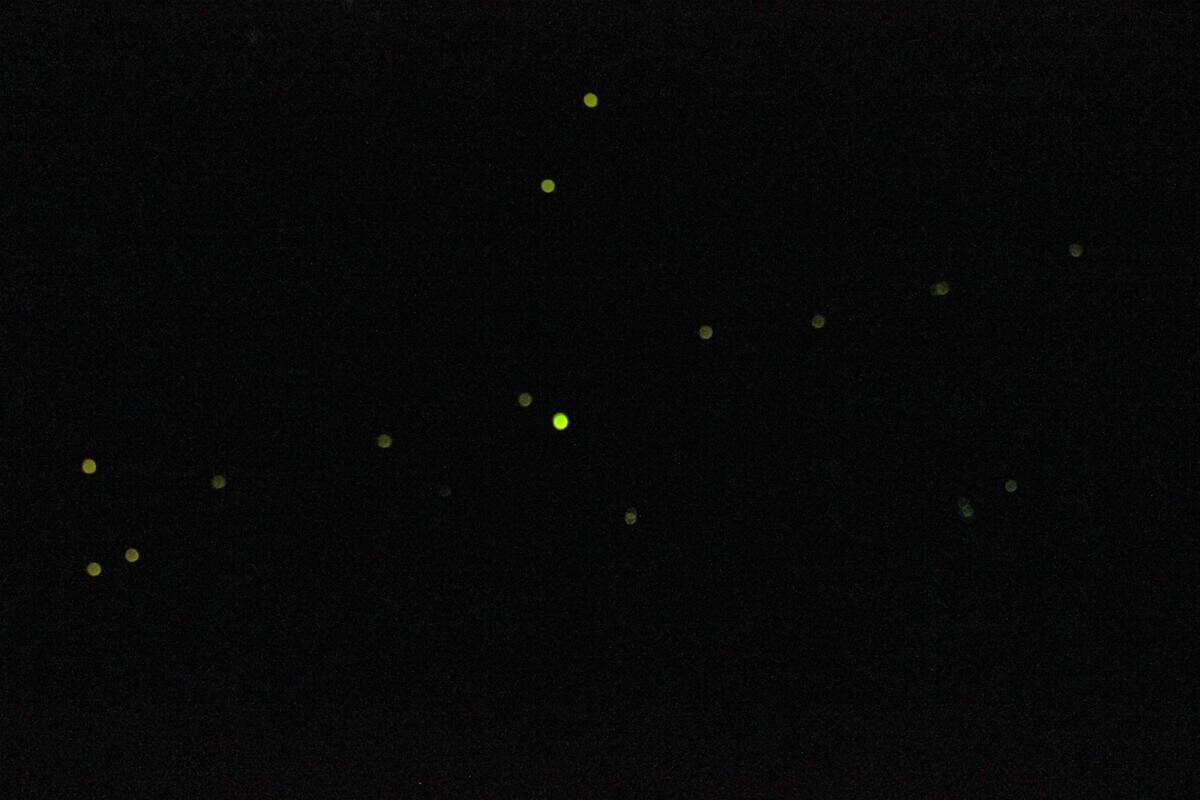
After two hours of stumbling around in the dark and pressing the shutter button over and over, you might get something like this:
Perhaps its best to live in the moment and take mental photographs instead.
This story was originally published May 20, 2025 at 5:00 AM.