Hilton Head beachgoers get lucky, rotten egg-smelling algae washed back to sea early
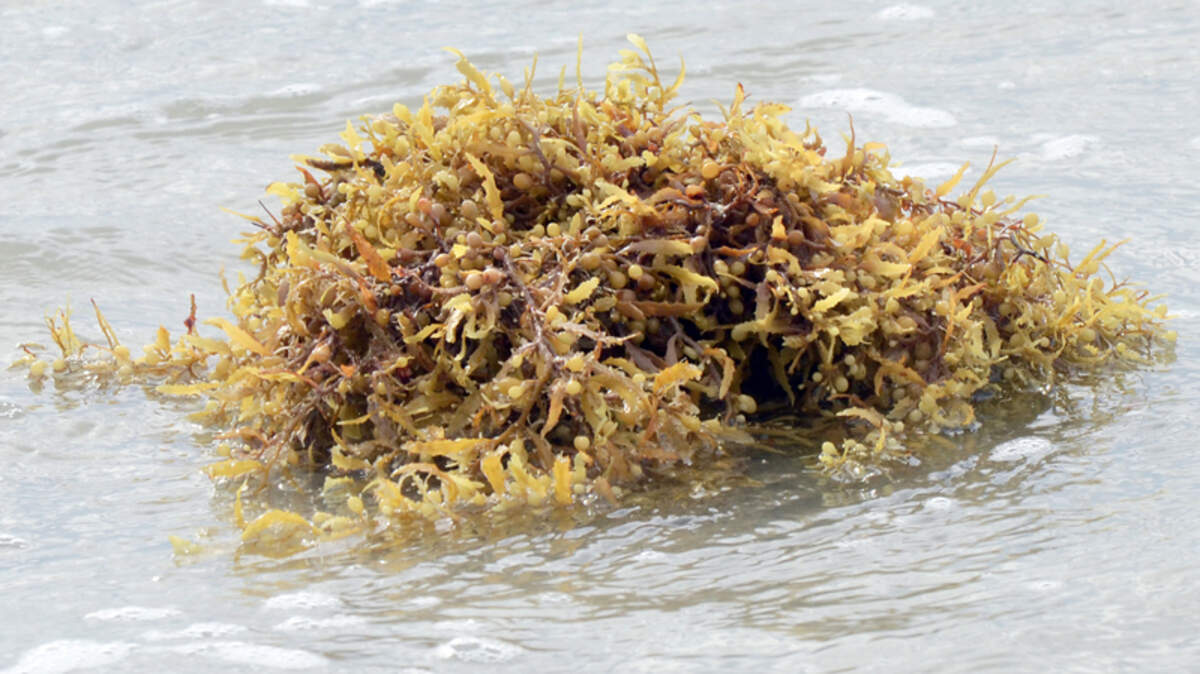
Clumps of umber-colored algae that washed ashore on Hilton Head Island were pulled back to sea before the blooms became a unpleasantly odoriferous problem.
Sargassum, a floating brown algae vital to the health and biodiversity of open ocean ecosystems, looks like a cluster of branches adorned with little berries. The gas-filled spheres that are known as pneumatocysts give the structure its buoyancy, according to the National Oceanic and Atmospheric Administration.
In the water, the algae are found in clumps, patches or large rafts that can trail for miles and serve as food, habitat and breeding grounds for several marine species, the administration said. On the shore, the scratchy lumps aren’t welcome.
It can clog up intake pipes, smother flora and fauna if it washes up in massive amounts. The algae contains high levels of arsenic and other metals, NOAA said. But, really, it’s the smell that’s most unpleasant for a beachgoer. When it decomposes on shore, sargassum produces hydrogen sulfide.
How does it smell? Like rotten eggs. Who can it affect? People with asthma and other respiratory issues.
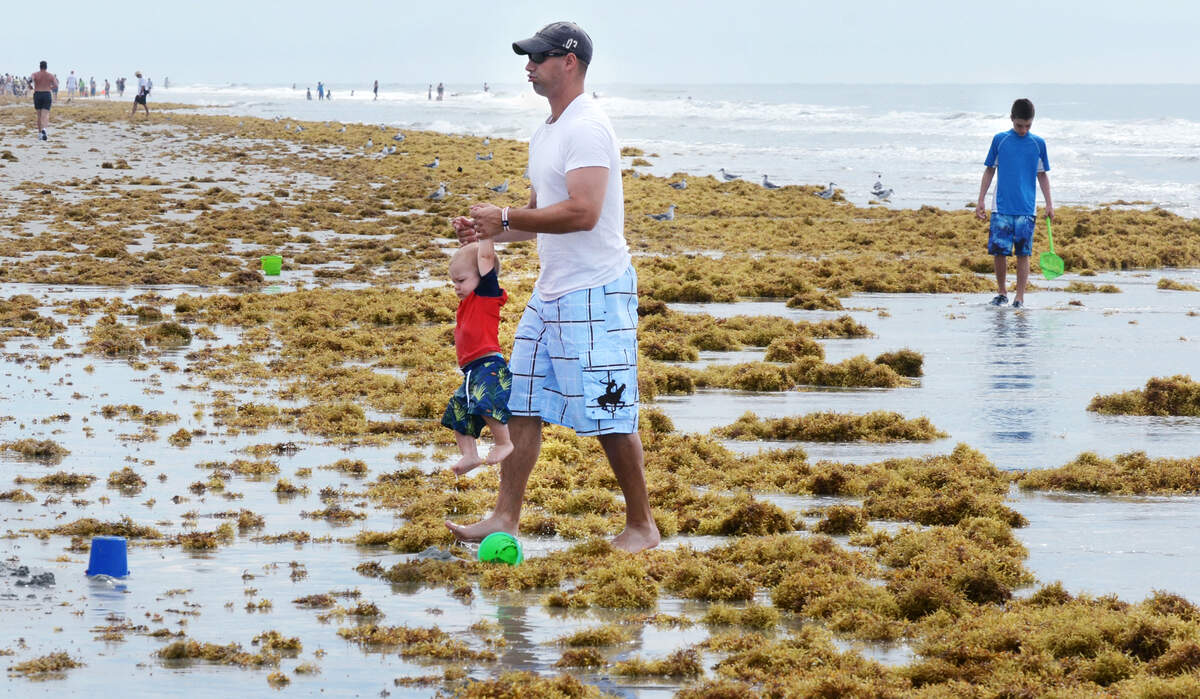
Recently on Hilton Head, the brown spiny bunches that dotted its shoreline weren’t around long enough or in large enough quantities to stink up the beach.
According to National Public Radio reporting, decomposition begins at about 48 hours after it washes up on land.
Mike Wagner, Shore Beach Service’s operations manager, said Tuesday the sargassum had been washed back into the ocean and noted that the event was isolated. He cited that weekend storms, which brought strong currents and high winds, were the cause for the blooms to be deposited on parts of the beach.
It’s not a typical phenomena on Hilton Head, Wagner said. In 2011, the service saw the greatest inundation of sargassum. And it’s not a coincidence.
Sargassum was mostly found in the western North Atlantic in the Sargasso Sea up until 2011, when shifting winds stretched the growing aglae’s geographic range, the administration said. The great Atlantic sargassum belt is thousands of miles long and weighs millions of pounds, according to NPR.
In 2023, the belt circled around the Gulf of Mexico and the mid-Atlantic causing massive amounts of sargassum to overrun beaches.