Have you seen this shorebird at Beaufort County’s beaches? What you do next could save its life
Allyssa Zebrowski is hoping for rain on South Carolina beaches this Fourth of July weekend.
While many visitors and residents have their hopes set on fireworks, Zebrowski is concerned about something a little less colorful in the sky: a state-threatened, medium-sized, brown-and-white shorebird called the Wilson’s Plover.
“I know I’m in the minority here, but I am keeping my fingers crossed for rain this weekend,” said Zebrowski, Audubon South Carolina’s coastal stewardship coordinator, in a press release. “Human disturbance is always a challenge for birds, but the risk increases exponentially over Fourth of July and other busy holiday weekends, so our staff and volunteers are on high alert.”
The National Audubon Society is a non-profit dedicated to protecting birds and their homes.
South Carolina currently has approximately 375 pairs of the shorebirds, according to the Department of Natural Resources. According to the society, human disturbance poses a significant threat to coastal bird populations, which have declined 70% in the last 50-70 years, with some species showing even steeper declines. It said the birds also face habitat loss due to development and sea-level rise, as well as predation, flooding and other climate-related impacts.
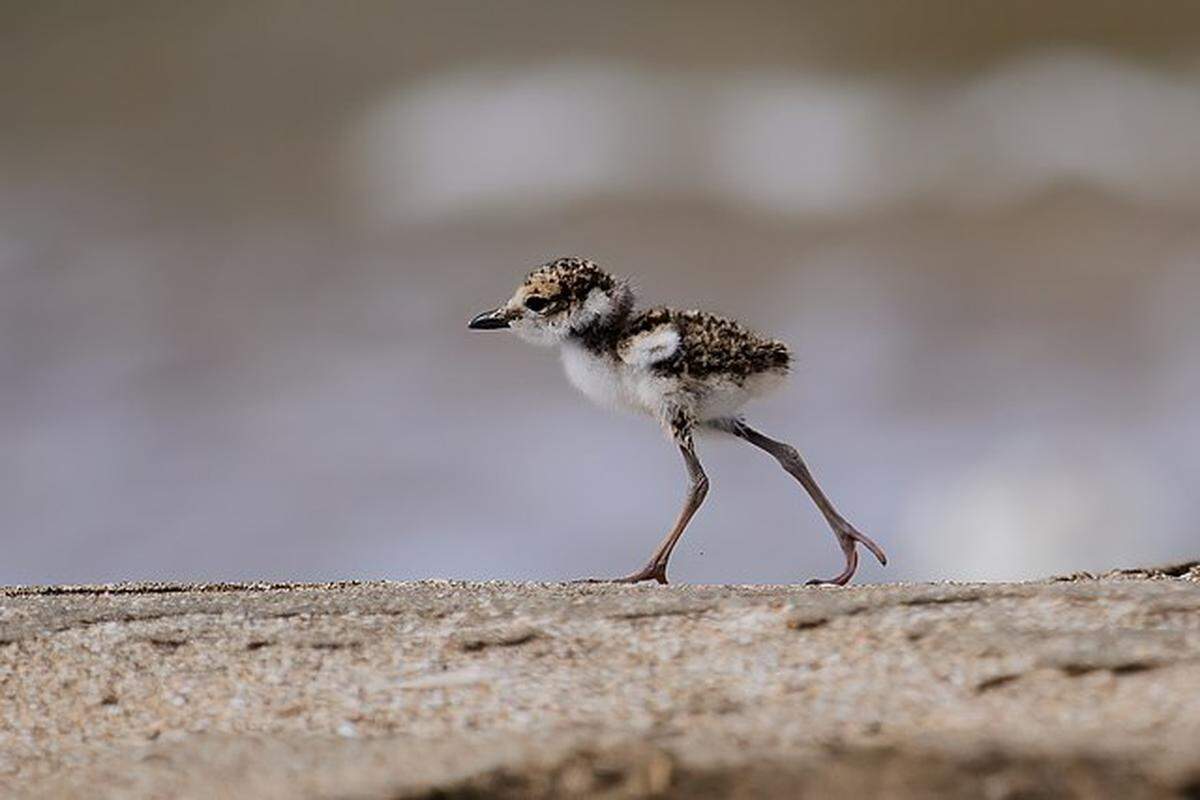
Every spring and summer, the shorebirds breed and raise their young on South Carolina beaches. They lay their eggs in flat areas of beach between the dunes and the waterline.
“Wilson’s plovers start to walk almost immediately after hatching, when they’re about the same size and appearance as a fuzzy cotton ball on toothpick legs,” according to Zebrowski. “They’re so tiny and well camouflaged that, unless you’re paying attention, you could be standing dangerously close to one and have no idea.”
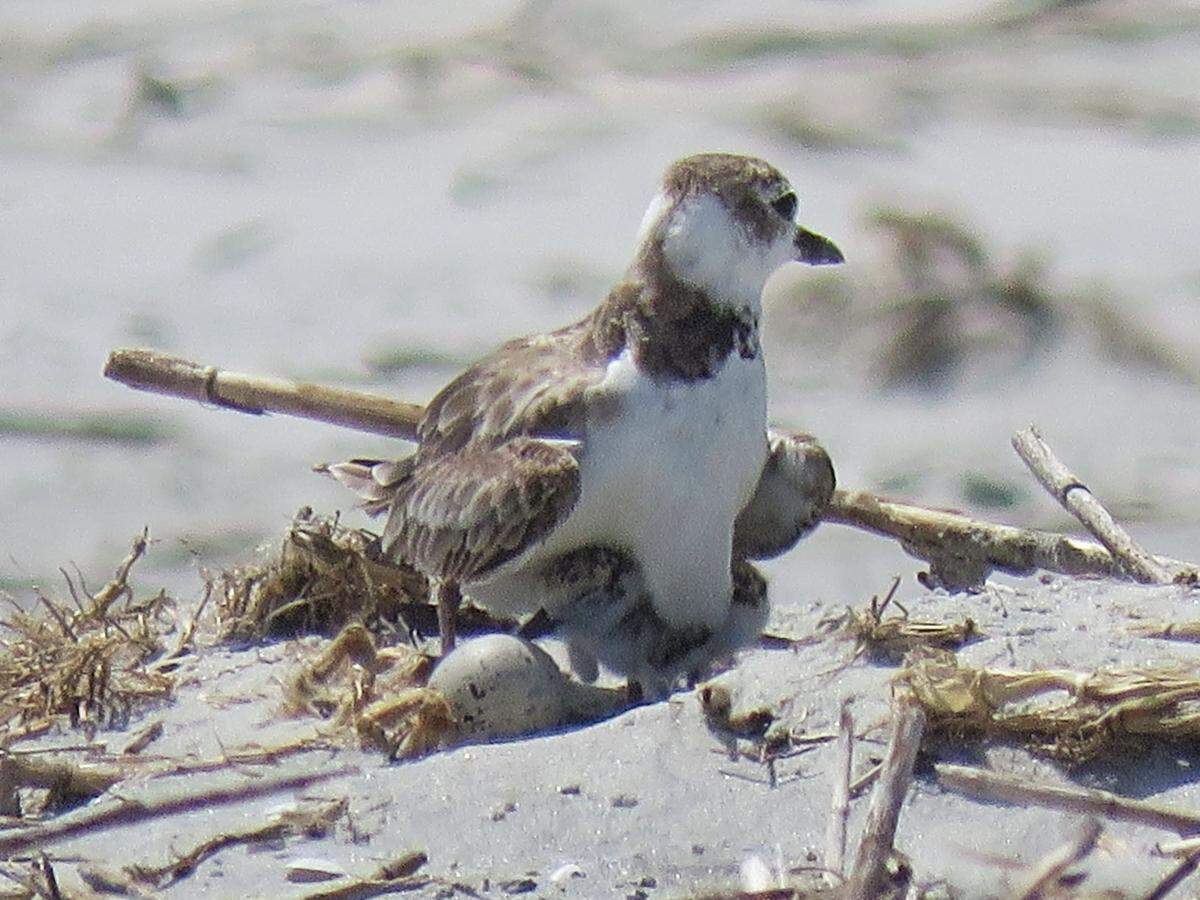
If a human or dog gets too close, adult Wilson’s plovers will fly off their nest and pretend to be injured in hopes of luring the perceived danger away from their chick or eggs, according to the release. It said that while the adult distracts, the still-to-young-to-fly chicks will try to hide by scurrying into nearby marsh grass or even ducking into a footprint in the sand.
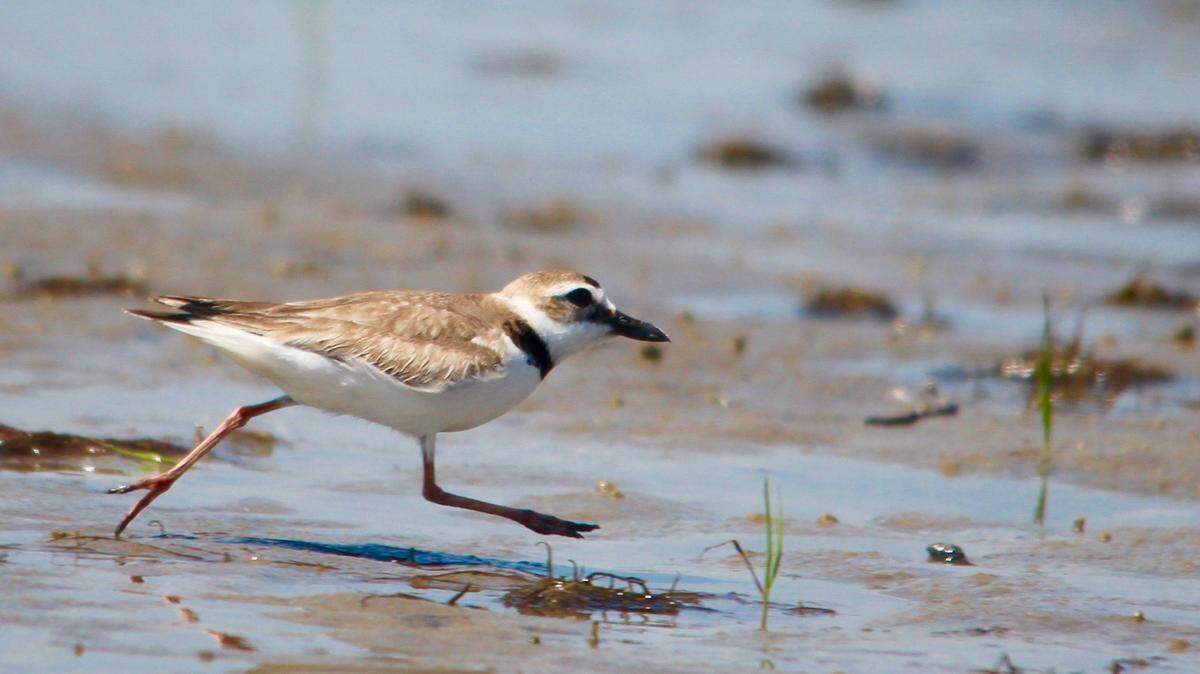
When the chicks try to hide, they become a greater risk of being trampled by people or dogs, and the time away from their parents can cause chicks or eggs to die from overheating, according to the press release.
To protect Wilson’s plovers and other threatened coastal bird species, the Audubon Society suggests beach-goers follow these steps when they head to the beach:
1. Look for signs and stay away from posted nesting sites
The South Carolina Department of Natural Resources, U.S. Fish and Wildlife Service, Audubon South Carolina staff and volunteers, and many other conservation partners go to great lengths each season to mark sensitive nesting areas with signs or simple fencing in an effort to limit disturbance to breeding birds and protect their vulnerable chicks and eggs. Ignoring signage and otherwise causing harm to these birds is in violation of the Migratory Bird Treaty Act, which provides federal protections for these birds, and other laws depending on the area and species involved.
2. Keep your distance
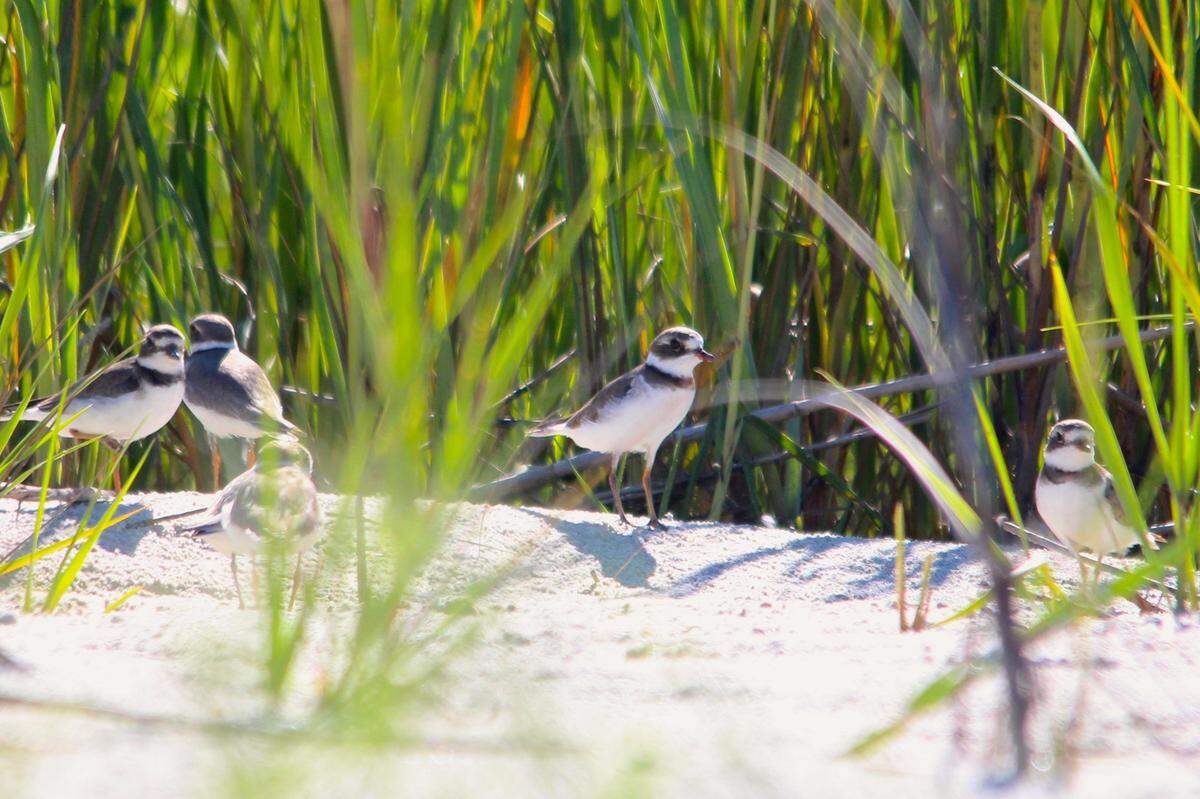
Getting too close to coastal birds causes them distress, disrupts their natural behaviors, and threatens their odds of survival. Be mindful of where you walk and do your best to stay at least 100 feet or about a football field’s distance away from any birds you encounter. To enjoy a closer look at these amazing animals, try using the zoom lens on your phone or camera, explore a field guide, or try to get your hands on a pair of binoculars.
3. Control your pets
Accidents can happen in an instant. To keep the birds safe, make sure your furry companions are leashed, under control, and a safe distance away from coastal birds and their nesting sites.
4. Pick up and carry out all litter—even food scraps
It may seem harmless, but food scraps can attract harmful predators, while plastic, glass and other trash can injure coastal birds and wildlife.
5. Educate others
Share these guidelines with fellow beachgoers, friends, and family members to raise awareness about the importance of respecting and protecting coastal bird species.