Invasive hornets spotted across Beaufort County. Here’s how to help.
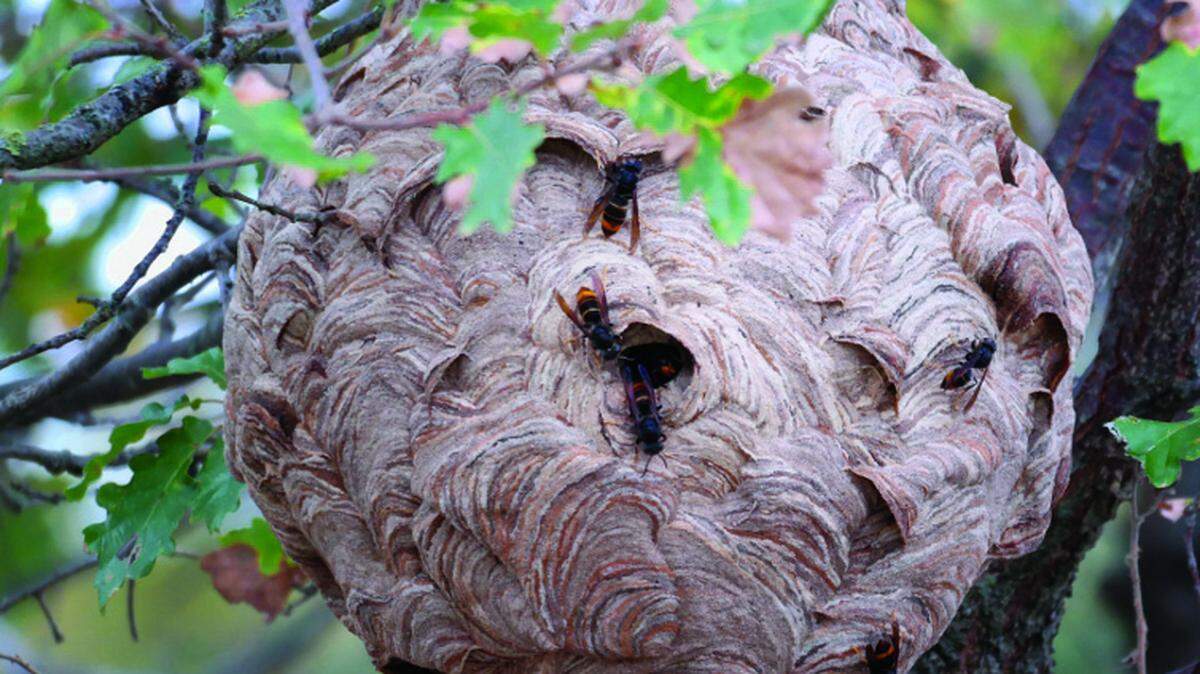
A species of invasive hornet has been spotted on Bluffton. The town encourages residents to keep an eye out for the bug, which is known to attack and destroy honey bee colonies.
In 2023, the first nest of Yellow-Legged Hornets found in North America was detected in Savannah. Since the beginning of the year, Clemson Extension has documented 66 nests in South Carolina, the majority of which have been spotted in Beaufort County.
The hornet species originated in Southeast Asia, and it started spreading through Western Europe in 2004, according to Clemson Extension. Because these hornets prey on native pollinators, they pose a serious risk to agriculture and the broader environment.
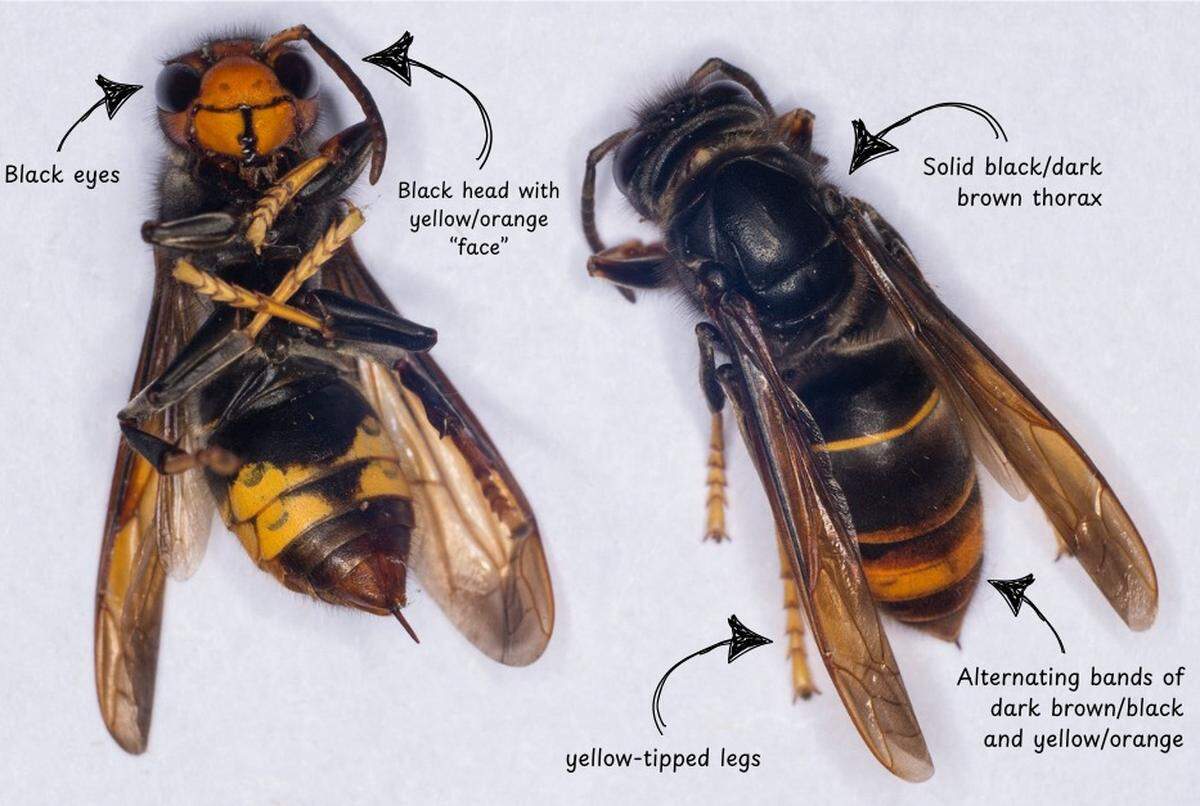
Employees with the Town of Bluffton who were pruning palm trees came across the nest. By chance, a local beekeeper was walking by and identified the nest as that of Yellow-Legged Hornets, Larry Beckler, the town’s public service director, said.
The town contacted Clemson, who sent staff out to remove the nest. In April 2025, Clemson started a new Yellow-Legged Hornet reporting program to better monitor the species as it spreads.
Residents who come across one of these nests, which are pear shaped and made of a tan, papery substance, are encouraged to take a photo and report the sighting. However, only trained specialists should remove nests, and the species can become aggressive if it feels that it’s threatened.
Residents who spot a nest should report it to Clemson.