Ohio-based academy launches 1st daytime Bible classes in SC for young Hilton Head students
An Ohio-based academy specializing in Bible-based instruction plans to expand into Hilton Head this spring with a program that would enable students as young as 6 to leave school grounds during lunch and recess for classes at a local church.
An eight-week pilot program for first- and second-grade students at Hilton Head Island Elementary School will begin in March and be administered by LifeWise Academy, a rapidly expanding organization that says it has enrolled students from nearly 600 schools across 31 states.
This is the first time a released-time religious instruction program through LifeWise Academy has been implemented in the state.
The program will allow students, with parental consent, to leave campus for one hour a week during non-instructional times to attend classes at Hilton Head Presbyterian Church, which is across the street from the school. LifeWise officials would be responsible for walking the students to and from school.
LifeWise’s arrival into communities has not gone without controversy. While supporters argue the program strengthens students’ character and mental health, some others have spoken out about blurring the lines between church and state, as well as how it can divide a student population and lead to issues such as bullying. Others have questioned why the courses can’t be held at a less disruptive time, such as before or after school.
A U.S. Supreme Court ruling has affirmed that school districts may allow what is known as “religious released time education” if it meets three criteria: courses must be off school grounds, be privately funded and students must receive their parents’ permission.
Beaufort County School District spokesperson Candace Bruder said the district did not “endorse” the program but would not try to stop it. The district has maintained a neutral stance, offering vague responses to questions about whether it could discontinue the program.
LifeWise’s entry into Beaufort County comes at a time when discussion around religious schooling and the role of public schools in South Carolina is being hotly debated. Two months ago, nondenominational church Tidal Creek Fellowship organized a foot washing event at Mossy Oaks Elementary to spread the message of hope in exchange for shoes. The event was canceled after public backlash and scrutiny from the district; it is unclear if the district forced the school to cancel the event.
And more broadly, one of the most contested debates of the current legislative session is the Republican-led legislature’s push to pass Bill 62, which would allow parents to use public money, or vouchers, for private or religious schooling.
What is LifeWise Academy?
LifeWise has been offering religious instruction in public schools since 2019 under the legal framework of a 1952 U.S. Supreme Court ruling.
More than 50 school districts in South Carolina have signed their community’s interest list to have a Bible education program in their community, according to LifeWise Communications Director Alyssa Jones. However, released-time religious instruction is not new to the state.
In a 2012 court case, Moss v. Spartanburg County School District, a policy permitting students to leave school for off-campus religious instruction was upheld. It came after two parents argued that the policy violated the Establishment Clause, a part of the First Amendment that prevents the government from establishing a religion.
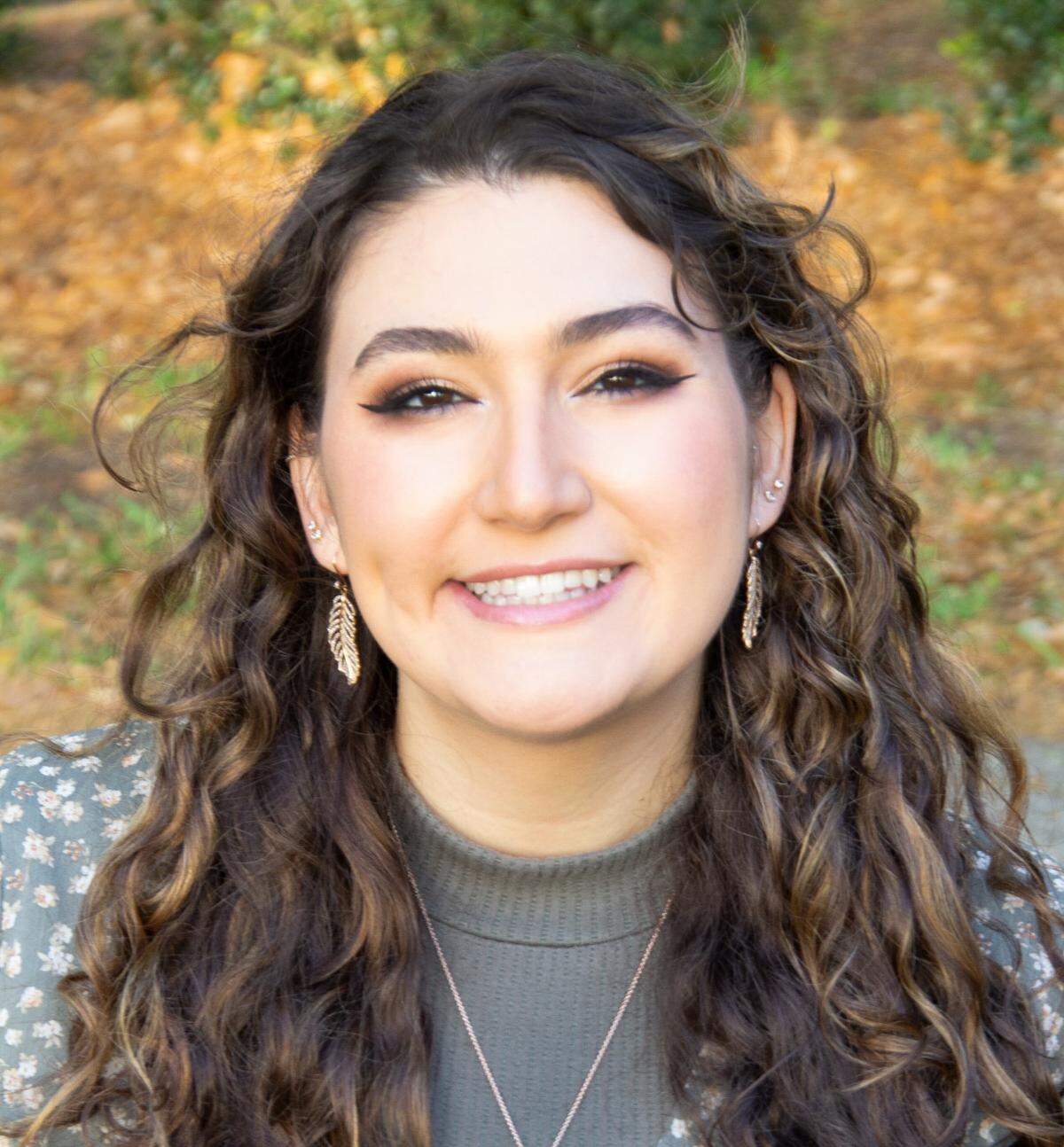
Lydia Mediavilla, who will oversee the program in Hilton Head, said Hilton Head Island Elementary was chosen due to its proximity to a supportive church. Students who opt in to the program will walk to Hilton Head Presbyterian Church during their 30-minute lunch and 20-minute recess block. LifeWise Academy teachers or volunteers will pick up and drop off the enrolled students from the Bus Drive exit, located between the first- and second-grade classrooms. An elementary school teacher will bring the students to that location to be dropped off and picked up.
The program will be staffed by a lead teacher and two or three volunteers, all of whom have undergone background checks and training provided by the academy, Mediavilla said. She added that the eight-week pilot program is free and designed to gauge community interest. Other schools in the county could be added depending on interest.
The program is accepting applicants through its website.
LifeWise Academy is privately funded through local fundraising efforts and donations, according to its website. The organization raised over $35 million in revenue last fiscal year, more than doubling its revenue and tripling its profits compared to the previous year, according to a Columbus-Dispatch article.
What does the school district say?
District Superintendent Frank Rodriguez was informed of the initiative in May 2024, according to Mediavilla.
The district has maintained that it cannot formally support or oppose the program. It is unclear if the district already has a policy regarding released time instruction, hasn’t researched state law or is intentionally trying to stake a neutral position in a potentially controversial area.
When directly asked by text message if Beaufort County had the discretion to approve or authorize LifeWise’s program, and whether the district could order the program discontinued if it felt the need to do so, spokesperson Bruder did not answer, instead repeating that it was a “legal opt-in” program that does not use any district resources. “The decision belongs to the parent,” she wrote.
But each South Carolina school district does have the authority to deny authorization for released-time religious instruction, according to state Department of Education spokesperson Jason Raven.
“State law allows a local school board to set policies to authorize these programs,” Raven said. Those policies also would address circumstances around discontinuing the program if originally approved.
Since 2002, South Carolina law has allowed local school district boards to authorize released-time programs for all grade levels, according to an April 9, 2024, state Department of Education memo. That is in line with the 1952 Supreme Court ruling. Both make clear districts can approve released-time programs but neither says they must.
That was affirmed again in the 2021 Spartanburg case. There, it was the parents who opposed the program but the judicial session upheld the district’s right to authorize a religious instruction program.
Earlier this month, in LifeWise’s home state of Ohio, Gov. Mike DeWine signed changes into a state law that altered the wording in the Ohio Revised Code from “may” to “shall,” effectively mandating that all Ohio school districts must allow released-time religious instruction.
All districts in South Carolina, whether they allow released time or not, must provide annual training on religious constitutional protections for educators and students. This includes training on released time for religious instruction and other religious free exercise categories. New training resources will be released soon to help districts comply.
Critics raise concerns
Despite its legality, the program has sparked pushback from some parents and community members across several states. Critics argue that allowing students to leave school for religious instruction could create the appearance of school endorsement of religious teachings, which is against the law. Others worry about the exclusion and bullying of students who both choose to and not to participate.
Logistical challenges are another point of contention, with critics questioning whether students can realistically walk to and from the church, eat lunch and complete the program’s lessons within the limited lunch and recess period. Some parents also argue that public education should remain secular to ensure inclusivity for students of all religious and non-religious backgrounds.
Sherry East, president of the South Carolina Education Association, expressed concern specifically about the loss of instructional time and what students would be missing if they are pulled out of school for religious classes, especially at the elementary school level.
“The instructional day for an elementary is already so packed,” East said. “We’re so worried about math and reading, I’m not sure what adding that to the day is appropriate for that age level.”
East suggested that if the program were offered as an after-school activity, rather than during the school day, that could be a different scenario.
This story was originally published January 24, 2025 at 9:38 AM.