‘Banned Together’ documentary follows Beaufort Co. students battling book bans. Where to watch?
Sitting in the crowd of a Beaufort County school board meeting in December 2022, Isabella Troy Brazoban didn’t know the one-off meeting would spark passion and change the course of her life for the next two years.
She’d gone to watch her cousin sing, but during the meeting, the Battery Creek High School student became unexpectedly entranced by a heated discussion from the public about banning books in schools. The then 17-year-old listened intently, her curiosity piquing when one parent claimed the books encouraged drug use among students.
The comment hit hard. Brazoban’s younger brother had recently overdosed on laced drugs at school. And, it wasn’t from reading books, she said. Brazoban couldn’t stay quiet.
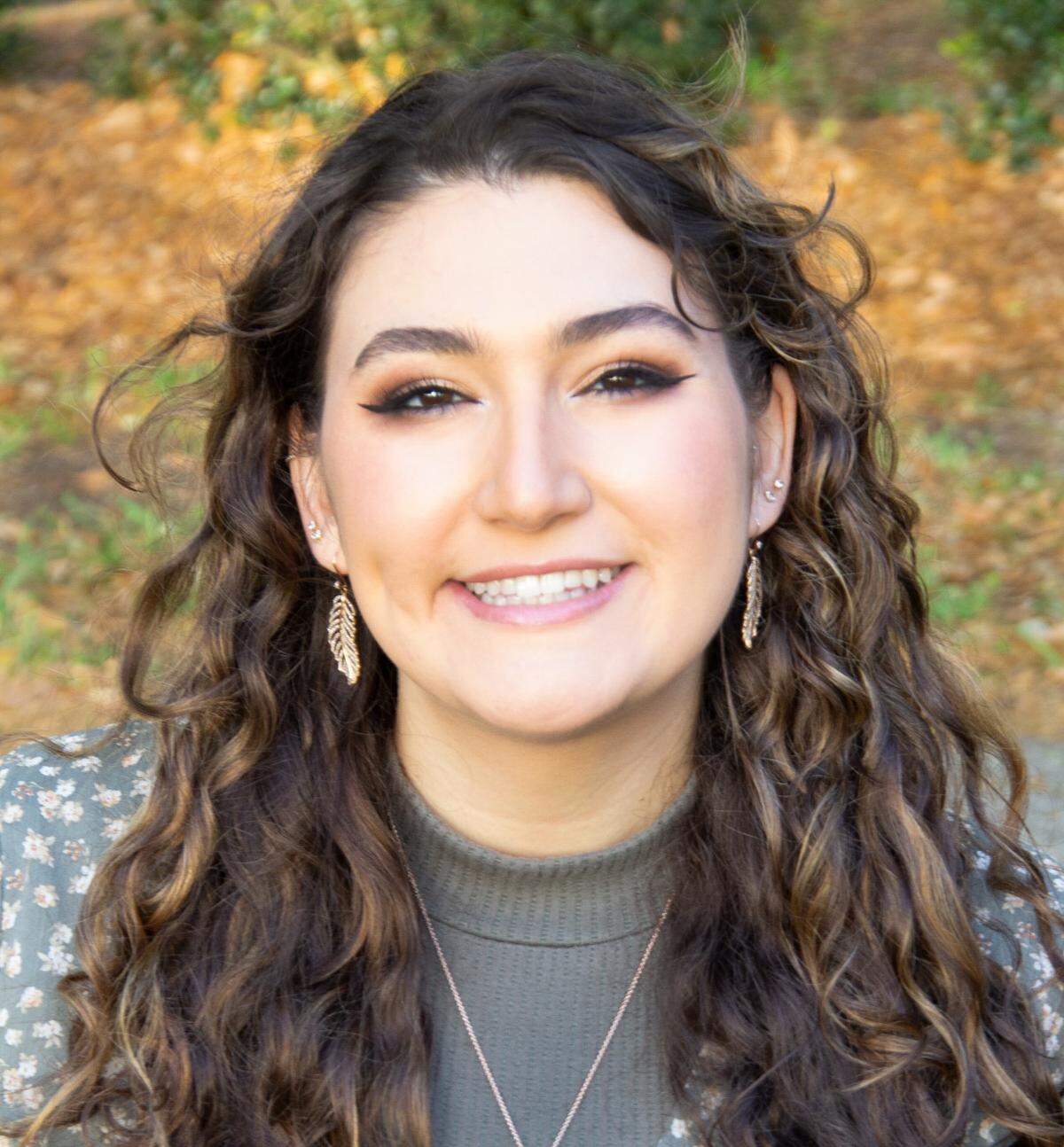
Addressing the school board during the December 2022 public comment marked the beginning of her journey from student to activist, a transformation now documented in the film “Banned Together.” The feature documentary follows Troy Brazoban and two other then-high school students, Elizabeth Foster and Millie Bennett, as they fought against the removal of 97 books from their school libraries.
Produced by Jennifer Wiggin of Atomic Focus Entertainment and directed by Kate Way, “Banned Together” explores the students’ activism against the growing national debate over book bans and censorship. A prerelease screening of the documentary will be shown in Beaufort County on Sunday.
In Beaufort County, 97 books were pulled from schools in October 2022 by Superintendent Frank Rodriguez after a small group of parents read explicit scenes aloud at a school board meeting and threatened legal action. Ultimately, five books were banned, but the movement garnered national media attention including from CBS News’ 60 Minutes.
The issue of censorship in Beaufort County didn’t stop with book bans. Recently, Hilton Head Island Middle School teacher Mardy Burleson filed a defamation lawsuit against five community members after being labeled a “groomer” on social media and podcasts, following her distribution of a class survey that included a question about preferred pronouns. The harassment Burleson and another teacher faced was part of the same culture of fear and misinformation surrounding intellectual freedom in the county, one that the documentary captures, Wiggin said.
Wiggin, inspired by an article she read over breakfast about the students’ activism, reached out to their parents and quickly realized that filmmaker Kate Way was already documenting their efforts. The two decided to collaborate.
“It was eye-opening to us how many people have been hurt, harassed and affected by this movement of censorship,” Wiggin said. “In the end, this isn’t really about books — this is a bigger argument about your rights as an American and about understanding the First Amendment.”
Student perspectives
It wasn’t long until Troy’s remarks caught the attention of Beaufort Academy Librarian Claire Bennett and Johnathan Hupt, the executive director of the Pat Conroy Literary Center. They encouraged her to continue speaking out, and soon she found herself part of a larger movement. Claire introduced her to the Diversity Awareness Youth Literacy Organization (DAYLO), where Troy Brazoban met Claire’s daughter, Millie.
Millie Bennett, a 19-year-old studio art major at the College of Charleston, was also a key figure in the fight against book bans. Bennett served as president of the Beaufort High School’s DAYLO chapter during her time there. Like Troy Brazoban, Bennett’s activism was personal — many of the books targeted for removal dealt with LGBTQ+ themes and, as a member of the queer community, she said she felt a strong obligation to defend them.
Bennett and a group of fellow students began attending school board meetings regularly, speaking out against the bans. During the documentary’s filming, she said one of the most impactful moments for her was walking in Chicago’s Pride parade with Illinois Secretary of State Alexi Giannoulias.
“A lot of the books taken off of the list and banned in our county were for their LGBTQ content disguised as sexual content in quotation marks,” she said. “So definitely there was a personal need to get in there and defend my community and myself.”
Three miles away from Beaufort High School, then-Beaufort Academy student Elizabeth Foster was also following book banning closely. The now 19-year-old student said she knew immediately that she wanted to get involved.
As president of her DAYLO chapter, she reached out to students from other high schools and began hosting meetings at her house to strategize and discuss how to mobilize youth voices in the fight against censorship. Her activism in Beaufort, like Bennett’s, gained national attention through the documentary.
The student trio specifically also began to network with authors, legislators and academics, which was set up by the film staff, to deepen their understanding of the First Amendment and intellectual freedom.
In reference to the documentary, Foster said she hopes people “come away hopeful and understanding that this is a fight that can be fought and won, but that we do have to fight it and actively be aware that it’s happening.”
Although, most of the books were placed back inside Beaufort County public schools, the county will need to be aware of South Carolina’s new book ban regulation 43-170 that mandates books with sexual conduct must be removed from the state’s public schools.
“You can’t let the fear of failure stop you from creating change in the world around you,” Troy Brazoban said.
Where to watch
Families Against Book Bans is hosting the prescreening of “Banned Together,” which shows at 3 p.m. Sept. 22 at St. John’s Lutheran Church on 157 Lady’s Island Drive. Following the screening, there will be a discussion with the students and others involved in the documentary’s making.
Admission is free, but a registration sign-up is required.
This story was originally published September 17, 2024 at 5:00 AM.