Man tricked into sending $285K to a Bluffton real estate scammer, police say
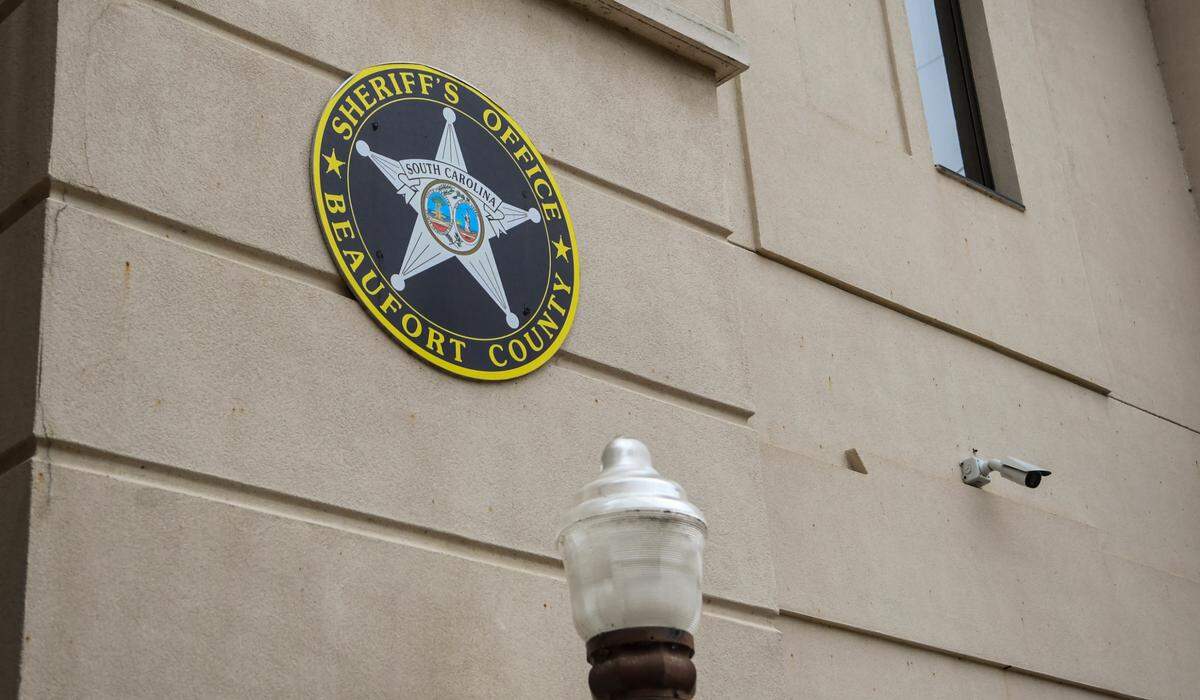
A man trying to purchase property in Beaufort County told police he wired over $250,000 to a scammer impersonating his real estate lawyers.
The victim had begun the “legitimate process” of purchasing a property on Lady’s Island with the help of Smith Law, LLC, a Bluffton-based firm that offers residential and commercial real estate services, he was documented telling police earlier this month in a Beaufort County Sheriff’s Office incident report.
During the purchase process, the man received an email that he believed to be from Smith Law asking him to wire the full purchase amount of $285,000, the report says.
He wired the money in mid-May but was contacted two days later by fraud investigators, who told him he had sent the funds to a scammer who had “diverted the funds” by posing as Smith Law, according to the incident report. Police noted in the report the scammer had utilized a website that mimicked the real law firm’s page and “appeared legitimate.”
The man’s bank advised him in late May that it was investigating the transaction, the report says, but he had not received an update as of June 11. He expressed his concerns to police about his funds being “in limbo.”
Victim’s funds are ‘accounted for,’ attorney says
Brandon Smith, the managing attorney at Smith Law, told The Island Packet and Beaufort Gazette on June 16 the victim’s funds were “accounted for” and neither he nor the law firm lost any money. Smith added that the scam was not a result of the firm’s computers, email accounts or trust systems being compromised.
“Fraud is a very large concern with any type of real estate transaction these days … so we always take a lot of security measures to make sure that we have secure systems,” Smith said in a phone interview. “But unfortunately, realtors or anybody having a less secure email system is always a potential for a hacker to get information.” Smith said many cases of real estate fraud begin with scammers getting access to a target’s email, often through a data breach. Once they’re inside the account, they can scan through an inbox for signals of an impending transaction — invoices or exchanges with real estate agents — that can later be used to deceive the victim.
“They send something that looks like the same company and provide their account information instead,” Smith said, which he says is why residents should be wary of any sudden changes to a payment system. “Any change should be verified through an independent call.” C
Sheriff’s office spokesperson Master Sgt. Robert Herlong confirmed Thursday the lost funds were returned to the scam victim and said the case had been referred to the FBI’s Internet Crime Complaint Center.
Real estate scammers get creative
Beaufort County real estate agents and prospective home buyers have repeatedly been targeted by another form of real estate fraud: scammers attempting to sell land that isn’t theirs. They use public property records to find vacant lots they claim to own, according to local real estate agent Mark Devers, who in late 2022 was targeted by one of those fraudsters.
“They said, ‘I’m having some financial difficulty. I would like to sell (a lot) as soon as possible,’” Devers previously told The Island Packet. “It’s not unusual to want to do a quick close before the end of the year.”
Scammers also attempt to fraudulently insert themselves into local business dealings or company communications, routinely using email addresses that are one character off from the real thing. Once they’ve convinced someone they’re a legitimate employee or government official, they often send phony invoices and accept payment for a service they didn’t provide.
Late last month, the Town of Bluffton warned residents about scammers impersonating town employees and sending fraudulent invoices related to development applications. Residents were advised to call town hall directly to verify any unexpected invoice, be cautious of wire transfer requests and to confirm that a sender’s email address matches the official domain name.