For this victim’s family, Bluffton killer’s plea for reduced sentence is traumatizing
A Bluffton man convicted of fatally shooting his ex-girlfriend as she drove her 6-year-old son to school is now asking for a reduced prison sentence — a development the victim’s family said has shattered their sense of closure.
John Patrick Shea, 30, was sentenced to life in prison without the possibility of parole last June for the 2023 shooting that targeted the car of 25-year-old Jillian Angner in her Okatie neighborhood.
From a pickup truck parked in a private driveway near Angner’s home, Shea sprayed his ex-girlfriend’s car with gunfire as she drove past the morning of March 2, 2023, with her son in the backseat. The 6-year-old was uninjured — but gunshot wounds to Angner’s neck left her fighting for her life in a hospital. She never regained consciousness and was taken off life support about five months after the shooting.
Shea shocked the courtroom by pleading guilty to all charges in the middle of his trial, saying the killing was spurred by a “psychotic break” as he turned to Angner’s family and apologized.
“I was so sick from what had happened between Jillian and I,” Shea said. “I can’t bear this pain anymore. And I know that the family needs closure ... that’s why I’m doing this today. I don’t want to hurt people anymore.”
But in his application for post-conviction relief (PCR) filed last week, Shea claimed he was denied a psychiatric evaluation and was coerced by his attorney into accepting a plea deal while “suffering from a psychotic episode” during the trial. He asked for a reduced 30-year sentence or the possibility of parole after 25 years in prison.
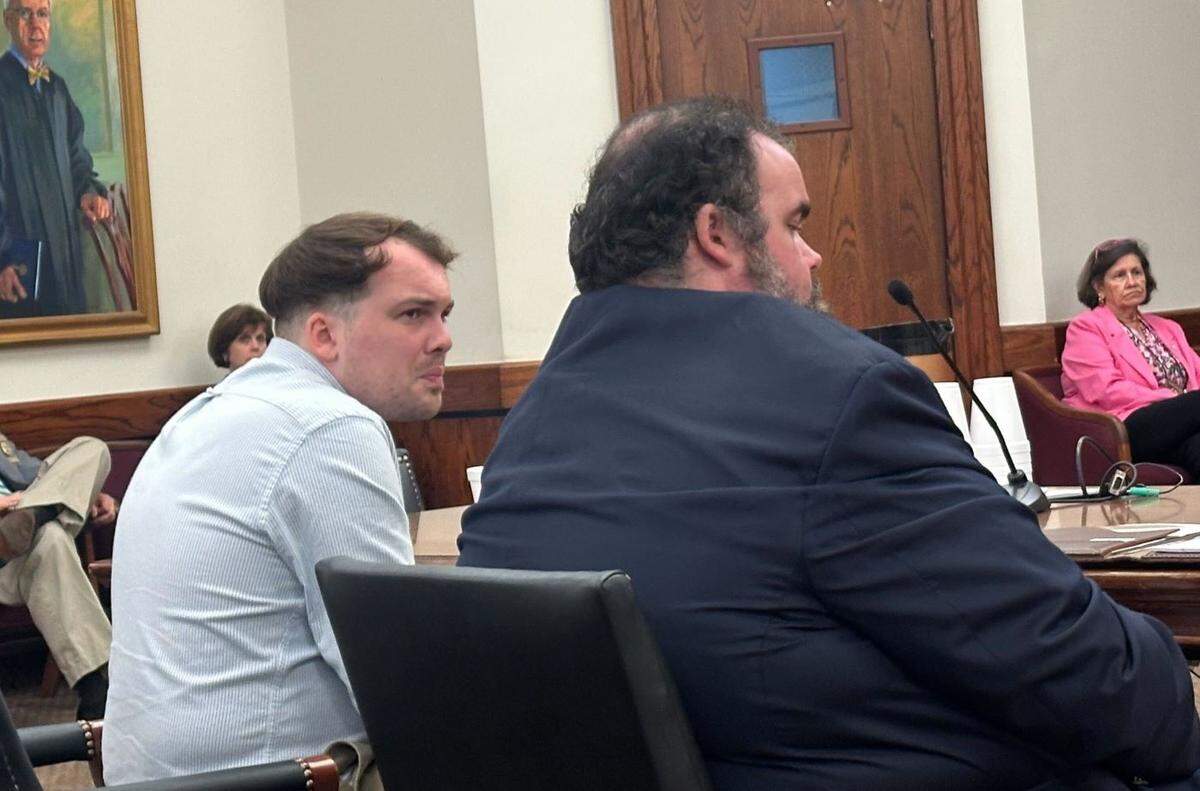
Unlike a direct appeal — which contests the accuracy of a conviction itself — PCR aims to challenge the legal process surrounding a conviction, like the actions of attorneys or prosecutors, according to the South Carolina Attorney General’s Office. The process is usually seen as a “last resort” made after a convict’s direct appeal has been denied.
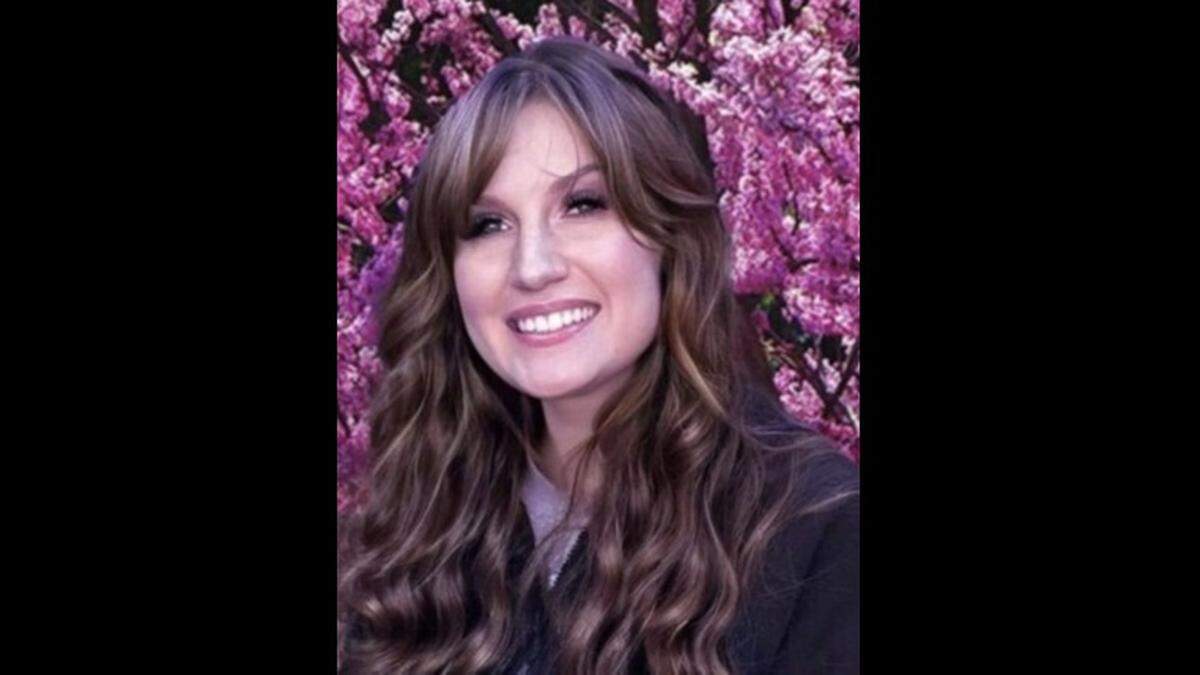
Loved ones remember Angner, a New Jersey native and licensed pharmacy technician, for her bubbly personality and effortless ability to make others feel seen. She worked at Bluffton’s Ulmer Family Pharmacy, whose owners commended her thoughtful, kindhearted demeanor that stuck with customers long after their visits.
After the trial, Angner’s family created Jillian’s Love Lives On, a foundation that raises money for Hopeful Horizons and other local organizations helping victims of violence. The charity is managed by the Community Foundation of the Lowcountry nonprofit, according to Jillian’s father Ron Angner, and has surpassed $70,000 in donations in less than a year.
‘We thought we were past this’
Angner’s parents said the news of Shea’s PCR filing came as a shock. They had been told Shea’s guilty plea barred him from appealing, but they were unaware their daughter’s killer had another way to challenge his conviction.
“This is devastating,” Ron Angner said of Shea’s application. “We thought we were past this last June. ... Now all that fear and anxiety is building up again because we don’t know what we don’t know.”
His wife, Beth Angner, called the development “traumatizing.” They both had to leave work after learning of the sudden update in the case, she said.
For the entire Angner family, the news meant confronting the possibility — even if slim — that Shea’s life sentence could be reversed.
“We’re still on the same property that we were the day that he shot my sister and shot at my nephew,” Jillian’s younger sister, Monika Angner, said. “If he ever gets out, I don’t know what we’re going to do. It’s really scary to think about the fact that he could come right back and do the same thing that he did to my sister.”
Convict alleges he was ‘coerced’ into plea deal
In a two-page letter submitted alongside his PCR application, Shea argued his mental health conditions should have resulted in a verdict of “guilty but mentally ill,” which in S.C. typically results in a prison sentence with built-in psychiatric treatment. He claimed his lawyer, Beaufort-based criminal attorney Jonathan Lewis, offered “ineffective assistance,” one of the most common arguments used by PCR applicants to challenge convictions.
The letter claims Lewis failed to approach the case with Shea’s mental health diagnoses in mind, including by delaying and eventually canceling an expert psychiatric evaluation two days before the trial. Shea argued he was “coerced” into pleading guilty and was not informed he could face a life sentence for Angner’s murder.
Shea wrote his application from the Lieber Correctional Institution in Dorchester County. He has been in custody at the maximum-security men’s prison since November, inmate records show.
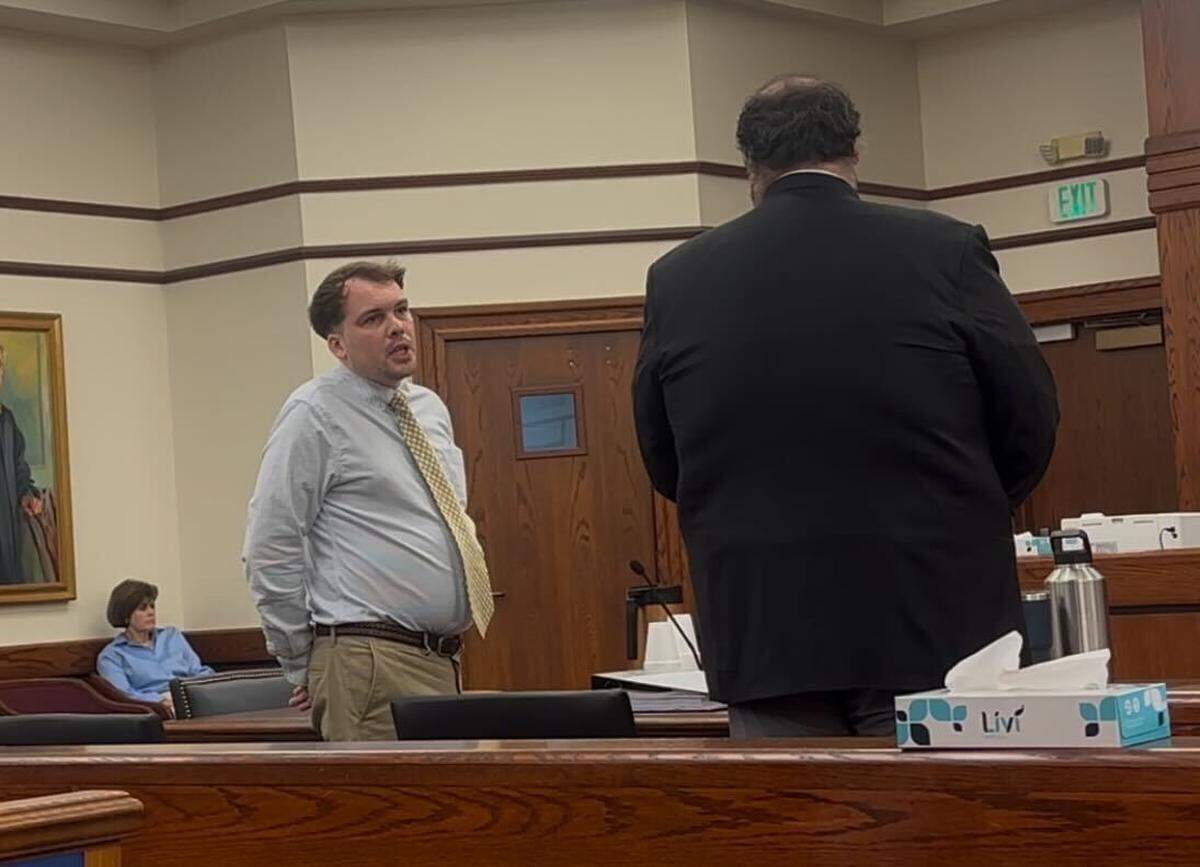
Lewis declined to comment on his former client’s claims in the application, saying he did not want to unfairly influence the case.
“The PCR process is a right in South Carolina. (Shea is) exercising his rights, which we encourage all citizens to do,” Lewis told The Island Packet and Beaufort Gazette.
Most applications for PCR end in dismissals, mirroring the low success rates of criminal appeals nationwide.
Out of Beaufort County’s 15 PCR cases that were adjudicated last year, 12 were dismissed and two were voluntarily withdrawn, judicial records show. In the year’s single successful case, a Ridgeland man had six out of 12 drug-related convictions vacated when a judge ruled the defendant was “rushed” into a plea deal after court officials gave him incorrect information about sentencing guidelines.
An early-morning ambush
In his written plea for a lighter sentence, Shea called the 2023 murder a “crime of passion.”
But at his trial, prosecutors argued it was a premeditated execution, fueled by Shea’s spite after Angner ended their short-lived relationship the previous fall.
“They dated from about July to late October of 2022, and when things went south, (Shea) didn’t want to accept it. He vowed not to give up on her,” Assistant Solicitor Hunter Swanson told the jury in her opening statement. “And in those months before the shooting, his obsession grew, and his obsession turned deadly.”
Angner was driving her 6-year-old son to school along Harrison Island Road around 7:45 a.m. on March 2, 2023, when Shea, sitting in the passenger seat of a parked pickup truck, sprayed her car with gunfire.
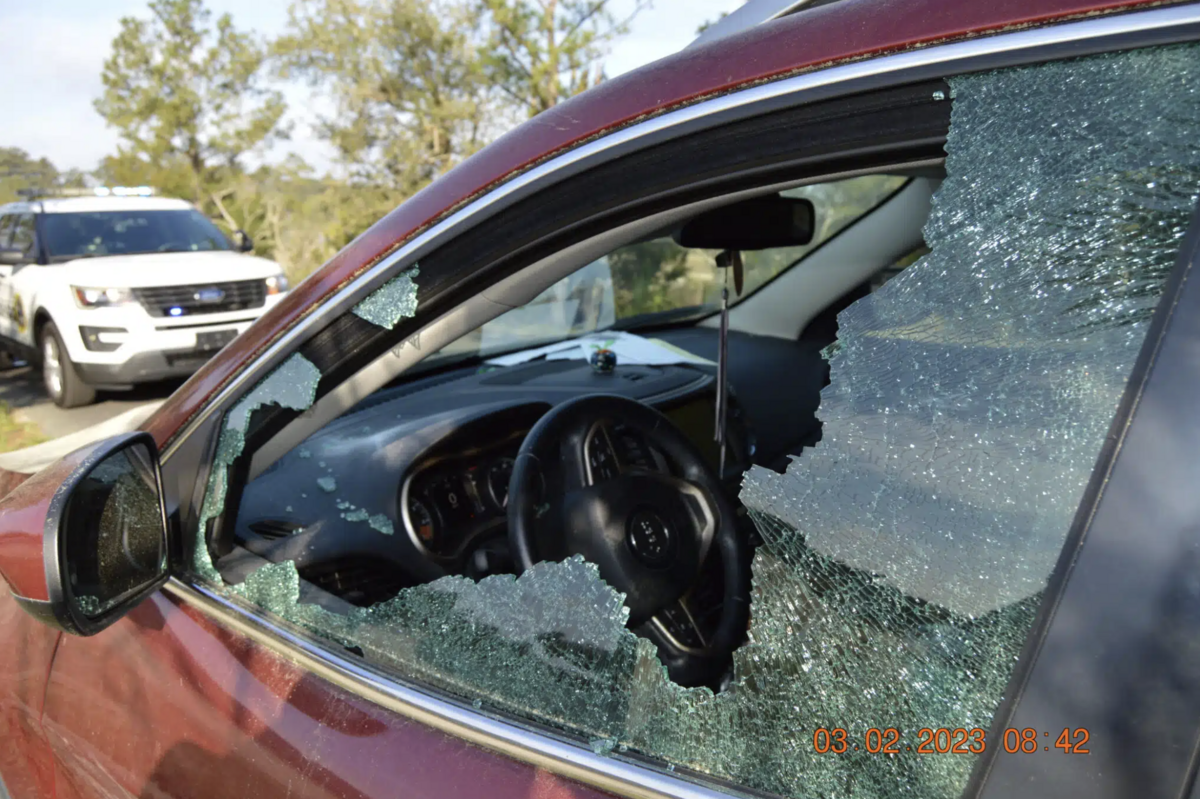
A bullet pierced Angner’s neck and knocked her unconscious. Her car drifted into a roadside palm tree, prosecutors said, leaving her “terrified” son alone to crawl through a shattered car window and flee into the marsh bordering the Okatie neighborhood.
Shea had stalked Angner for months prior to the shooting, prosecutors said, and his “obsessive” behavior pushed her to request a restraining order. Searching Shea’s apartment after his arrest, police found defaced photos of Angner and a drawing of a truck and a gun next to the words, “If only I could be free.”
The truck that Shea fired the shots from belonged to Wyatt Norton, who knew Shea from the local food and beverage industry. He drove Shea to and from the site of the shooting but was not charged as an accomplice.
Norton testified in June that he thought he was on a “drug run” with Shea, who had offered him $1,500 to drive him out to the remote neighborhood. After Shea suddenly opened fire on Angner’s car, he held Norton at gunpoint and forced him to speed away, threatening to hurt his family if he went to the police, Norton testified.
But as he answered questions from his attorney shortly after pleading guilty, Shea alleged Norton had been aware of the murder plot and helped hide the evidence. Shea told the judge he hoped Norton would be prosecuted for his involvement.
He echoed that claim in his PCR application, calling Norton his “codefendant” and accusing him of lying under oath about “the role he played in this crime.”
Still waiting for closure
The Angner family waited more than two years for Shea’s day in court. Now, they’re anxiously awaiting the day his PCR application goes before a judge.
“Is the risk high that a judge is even going to even consider this plausible? I don’t think so,” Ron Angner said. “But crazy things happen, and we just have no idea where it’s going to end.”
In the wake of the shooting, Ron and Beth Angner began raising their grandson, who’s now 9. The boy attends therapy regularly, the family said, but the trauma of that morning has stuck with him: He still has regular nightmares and is “terrified” of trucks and the marsh near their home.
“We have to pass by the spot every day,” Beth said, referring to their daily commute past the site of the shooting. “He mentions it from time to time ... even though he knows the bad guy’s in jail. We told him he’ll never get out — now we don’t know.”

This story was originally published April 27, 2026 at 3:23 PM.