Ban e-bikes? Hilton Head communities grapple with regulating speedy new devices
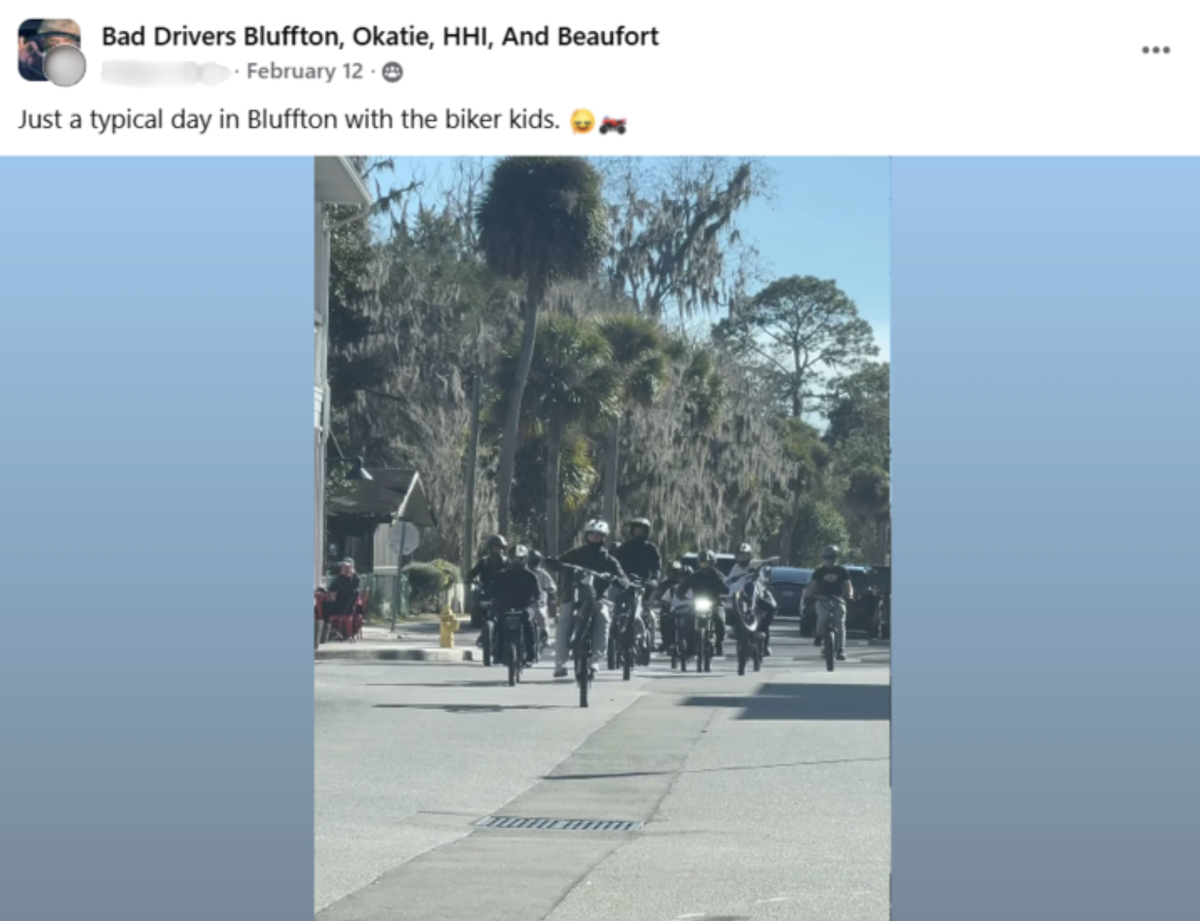
All eyes were on the posse of about a dozen e-bikers as they cruised down Promenade Street in Old Town Bluffton.
Some of the boys popped confident wheelies as they passed through the downtown drag. Most weren’t pedaling, instead relying on the bikes’ motors to propel them forward. All were wearing helmets — much to the gratitude of commenters who saw the “biker kids” in a social media video.
It’s becoming increasingly common to see groups of teens traversing Bluffton and Hilton Head Island roadways on electric bicycles. Many adults on Hilton Head have also turned to e-bikes for the increased mobility they offer riders.
But the devices are polarizing. Many worry about children’s safety and lack of traffic law knowledge, as well as complications that could arise from sharing roads and tight pathways with the speedy, street-legal vehicles. Earlier this month, a mother in Bluffton’s Heritage Lakes community said she believed her son’s e-bike tire was flattened on purpose by a neighbor, according to a police report from the Beaufort County Sheriff’s Office.
Some communities in the Hilton Head area have banned e-bikes outright. Other efforts aim to reduce their top speed or throttle capability, like guidelines for Beaufort’s Spanish Moss Trail or the Town of Hilton Head Island’s e-bike ordinance. Bluffton officials are researching whether “local guidance” on the vehicles is appropriate, Mayor Larry Toomer wrote last month.
Despite the baggage that comes with them, e-bikes are still a very popular way of getting around the Lowcountry, said Ken Fagut, founder of Avocado Bikes rental company on Hilton Head.
“We’re getting requests all the time for electric bikes,” Fagut said, adding that there was interest in e-bikes “almost immediately” when he opened the business in 2020.
A ‘fragmented system’ of e-bike rules
The challenge of regulating e-bikes has arisen nationwide, in response to patterns like rising collision numbers, rider deaths and a steady string of fires sparked by faulty lithium-ion batteries in the vehicles.
But local advocates say the dangers can be mitigated, arguing e-bikes offer countless benefits in a cycling-centric community like Hilton Head.
“I just don’t want people to blindly ban (e-bikes), because they open the world to so many people,” Fagut said. “And I’m not just talking about those that are older; I love that when kids ride the bikes, they’re outdoors, they’re not on electronics. It’s good for them.”
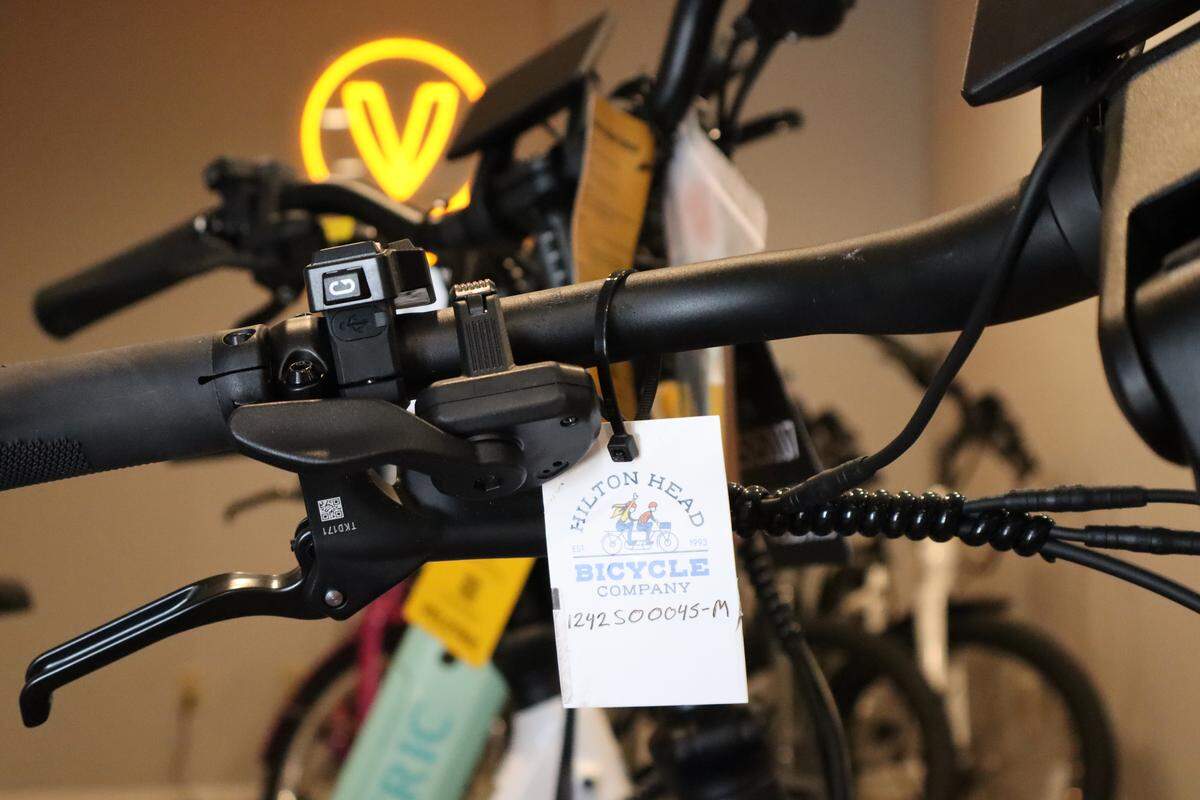
Most local restrictions are shaped by the three-class e-bike system. Motors in Class 1 and 2 e-bikes stop at 20 miles per hour, and Class 2 bikes have throttles that make pedaling optional. Class 3 e-bikes can reach up to 28 miles per hour with pedaling assistance; riders of Class 3 e-bikes must be at least 16 years old.
Several gated communities like Shipyard and the sprawling south-end Sea Pines Resort have banned e-bikes entirely. Liability is a common factor in those decisions, Fagut said.
Some neighborhoods, like the island’s Palmetto Dunes resort, allow e-bikes on their roads and pathways but draw the line at Class 3 models. Violations of that rule, as well as “reckless behavior” on regular bicycles or other permitted electric vehicles, are grounds for a $100 fine in the oceanfront community.
Bill Dix, Palmetto Dunes’ general manager, said residents’ complaints about e-bikes stopped coming in after the community implemented its bicycle and e-bike rules in early 2025.
“Not wanting to ban e-bikes, we decided to adopt rules focusing on the behavior of riders on all bikes,” Dix wrote in an email. “We have a sizable demographic of 60-plus year-old residents, and e-bikes are a great way for this demographic to be able to get out into the community and get some exercise in as well.”
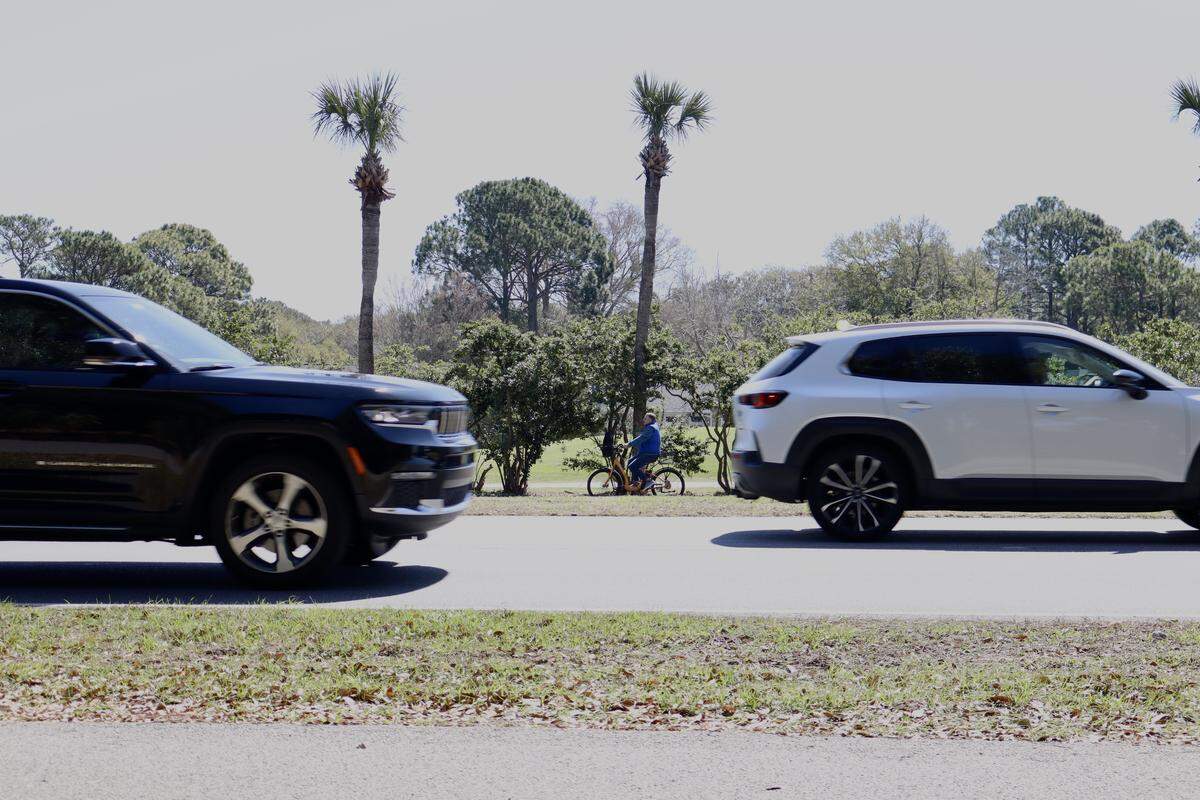
In a 2022 ordinance, Hilton Head officials banned Class 3 e-bikes from the island’s 60-plus miles of public paths. Those bikes are allowed on roadways, but riders must follow existing traffic laws.
Hilton Head Plantation, one of the island’s largest private communities, also prohibited Class 3 e-bikes on its leisure paths in regulations rolled out last month. For all other bicycles, the speed limit on the pathways is 10 miles per hour.
“Class 3 e-bikes essentially start to move into the category of being a scooter in terms of the speeds they can reach, and so they do start to create much more of a safety risk (on our paths), where we’ve got runners and walkers and people walking their dogs,” Pippi Itkor, a spokesperson for Hilton Head Plantation, told The Island Packet. “It removes a bit too much reaction time when an e-bike is traveling at such a high speed.”
E-bike users in Hilton Head Plantation tend to be retirement-age residents who might use the vehicles to circumvent mobility issues, Itkor said. A community survey showed how much the bikes were valued, so the property owners association opted to “walk that tightrope” and allow e-bikes with some regulations, she said.
All e-bikes used in Hilton Head Plantation must go through a registration process, where riders sign forms outlining biking rules, waive the POA’s liability and receive a color-coded sticker with the bike’s class designation. Those stickers allow the neighborhood’s security team to easily identify different types of e-bikes from afar, Itkor said.
The community intends to host a “bike day” in the coming months, where residents can register their e-bikes and take safety clinics, Itkor said. Jim Hall, owner of two local bike stores and president of the Bike Walk Hilton Head Island advocacy group, has offered to bring mechanics and licensed cycling instructors to the event.
“We’ll do bike rodeos for kids and one-tool repairs: pump your tires up, tighten the chain,” Hall said. “We’ll do some education for kids. I’ve got thousands of reflectors; we can put them on bikes.”
Even under Hilton Head’s current “fragmented system” with different e-bike rules in different areas, Hall said, promoting general education and safety for riders is vital to preserving the island’s lively cycling culture.
“If the culture got to the point where everybody respects the right rules, is riding appropriately, and you see somebody out of line, that person feels like they’re the exception,” he said. “That’s the best way to get everything where it needs to be on the pathway system. It’s almost an impossible thing to expect the town to regulate and enforce.”
Fagut also emphasized the importance of education. After a healthy dose of safety training, all prospective e-bike renters at his shop are told where they can and can’t ride.
“We tell them where they’re not allowed, and then it’s up to them whether they want to slip in or not,” he said with a laugh.
This story was originally published March 20, 2026 at 11:01 AM.