Money or justice? Beaufort Co. sheriff, top prosecutor at odds over clearing case backlog
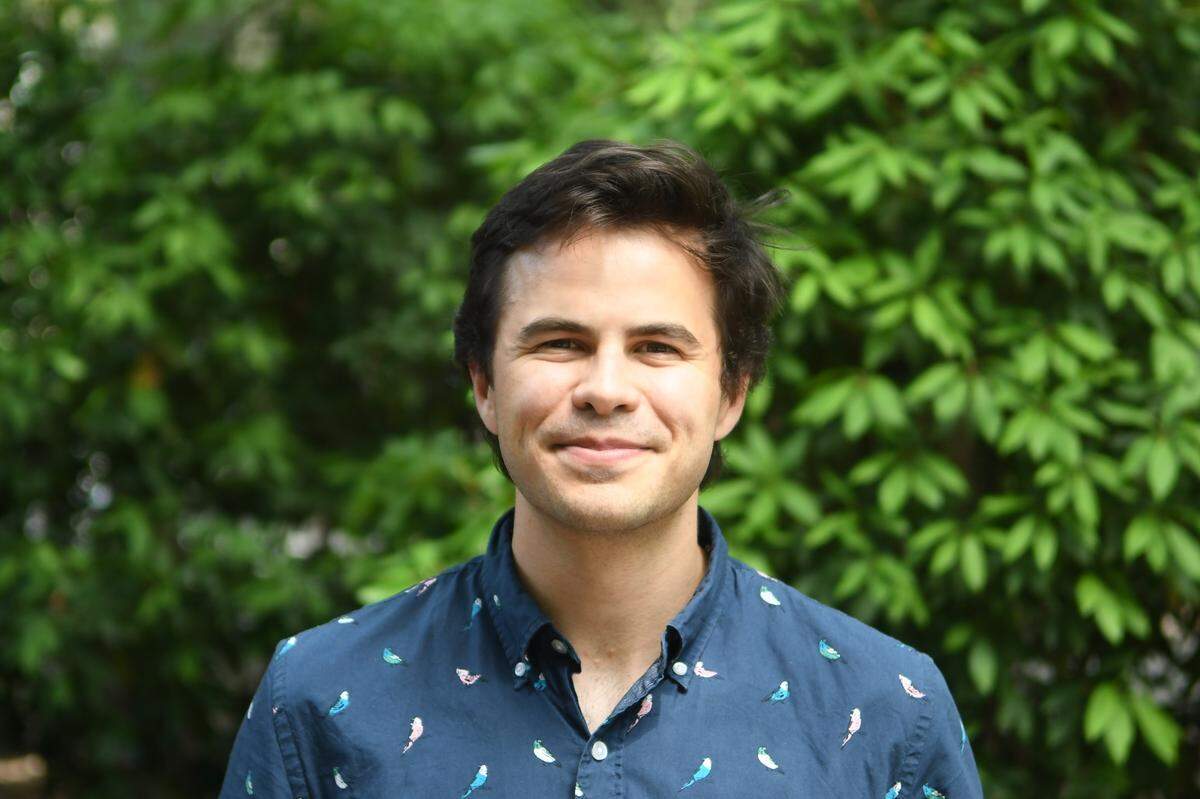
Beaufort County’s top prosecutor said his office is pledging to clean up the massive backlog of criminal cases with procedural and staff changes.
The county’s law enforcement leaders, however, said the changes proposed by 14th Circuit Solicitor Duffie Stone will add more to their already full plates and are an excuse to get more money for his agency. And, as defense lawyers point out, some of the changes will reduce, not improve, efficiency.
The backlog significantly worsened because the courts closed for over a year during the pandemic, while police continued to arrest and charge people with crimes. The cases already in the system — charges ranging from armed robbery to driving under the influence to murder — must be shepherded through plea agreements or trials or dismissals by the Solicitor’s Office as new cases are filed.
In January 2020, the office had 3,823 pending cases. As of Thursday, the backlog was 5,658, Stone said.
Two months ago, Stone told the Beaufort County Council that the backlog would take 4 1/2 years to just get back to where his office was before COVID.
He had requested $225,000 in the upcoming budget to hire three more lawyers.
At a news conference on Thursday afternoon, Stone told reporters it would now take six years to get through the new COVID backlog. Because of that, he said he went ahead and hired five lawyers, without the approval or money from the council.
“We’re going to have to figure it out because we have to have those prosecutors,” Stone said.
Three of them, he cautioned, can’t work until they take and pass the bar exam in July, the month the county approves its budget.
‘To get more money’
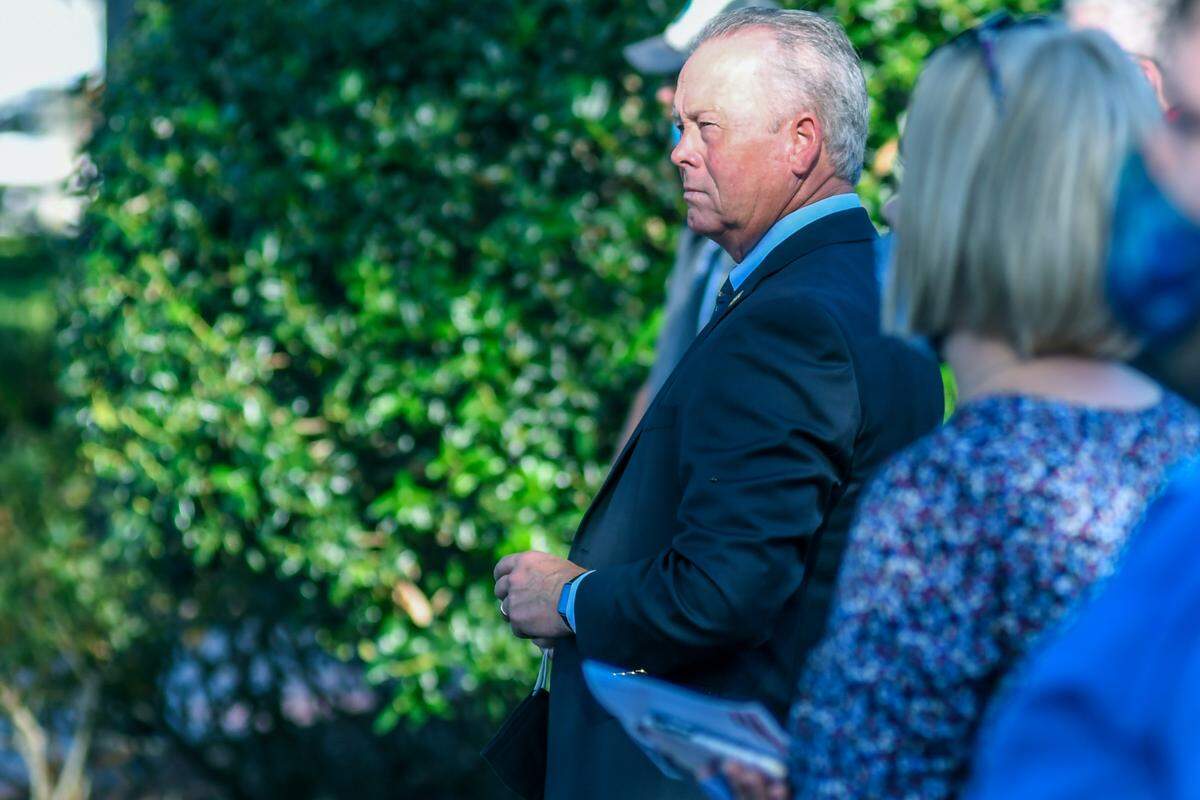
Beaufort County Sheriff P.J. Tanner said in an interview with the Island Packet and Beaufort Gazette last week that he puts some of the blame for the backlog at Stone’s feet.
Police continue to arrest and charge people they believe committed crimes, but the cases don’t move on until prosecutors bring them before a grand jury for indictments.
There were no grand juries during 11 months of the pandemic, although they resumed in March and in April, according to Tanner. Grand juries in Beaufort County gather once a month.
Tanner said the Sheriff’s Office added 485 criminal cases in 2021 for the Solicitor’s Office to bring to a grand jury.
He said Stone’s office brought only 32 of their cases to the grand jury in the past two months, despite the already large backlog and continuing influx of crime.
“He’ll use those numbers to show there’s a backlog to get more money out of the council,” Tanner said.
Asked about this on Thursday, Stone said they have been limited because of the COVID shutdowns.
“As soon as they are ready, we send them in to the grand jury,” Stone said.
He said more cases could go in front of the grand jury in the coming months.
Plea deals?
Stone has four other initiatives he says will reduce the delay in cases, in addition to hiring new lawyers.
Among them: ending plea deals.
That means no longer allowing people to receive a lower sentence as an incentive for pleading guilty to a crime. It’s an alternative to going to trial.
Plea deals are a procedural necessity for an overburdened criminal justice system. A 2018 report from the National Association of Criminal Defense Lawyers found that 97% of criminal cases in state and federal courts were resolved by plea deals.
Beaufort County has only about 12 criminal trials per year, because of limited court time and circuit judge visits.
“There will be no plea negotiation in order to eliminate the pressure that was built up by the COVID backlog,” Stone said.
Jim Brown, a criminal defense attorney based in Beaufort, said the policy might have the opposite effect.
“The very reason plea bargains have been condoned by the courts is efficiency, and the pandemic backlog would seem to require even greater efficiency,” Brown said.
“A policy of no plea bargains would aggravate the backlog instead of address it,” he said.
‘Jeopardizes a successful outcome’
The other initiatives announced by Stone can be summarized as streamlining what his prosecutors are doing.
One is a “triage system” where prosecutors, rotated monthly, will contact police officers within 24 hours of an arrest to gather evidence ahead of time.
Another plan asks police to come to the Solicitor’s Office before making an arrest in a complex case. That way, prosecutors can go over the evidence and directly indict someone, skipping over the arrest warrant process.
A part of that has rankled law enforcement leaders, including Beaufort Police Chief Dale McDorman.
The Solicitor’s Office said it would no longer send its lawyers to preliminary hearings. At those hearings, officers testify in front of a judge and a defense attorney about whether they had probable cause to make an arrest.
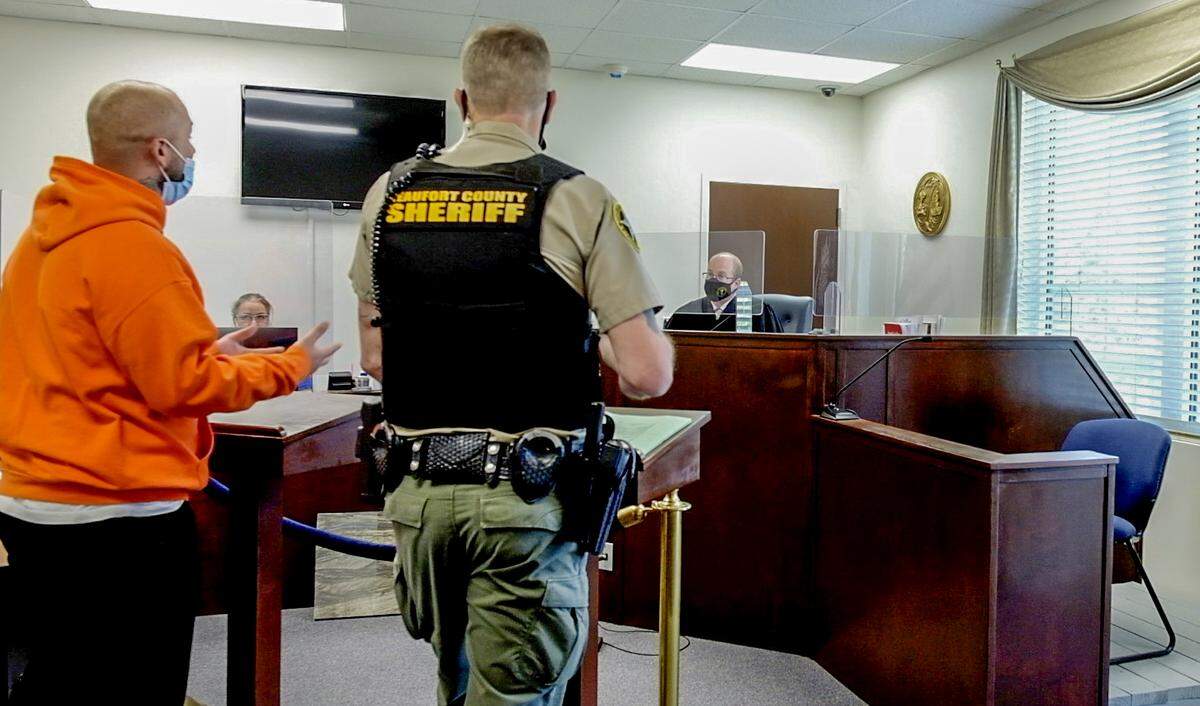
Usually, prosecutors would ensure the defense attorney doesn’t persuade the judge to throw out charges.
Stone said the hearings have no bearing on what prosecutors will do later on and wastes time that could be spent on the backlog.
In a letter obtained by the Packet and Gazette, Chief McDorman wrote to the Solicitor’s Office urging Stone to reconsider.
“Your decision forces a police officer with limited education and experience in prosecution to face a certified attorney in an official testimonial hearing,” McDorman wrote on Wednesday. “This jeopardizes a successful outcome in obtaining justice for those victims.”
Stone on Thursday said it didn’t matter because the Solicitor’s Office can directly indict people instead of needing a prior arrest warrant by police.
“We need our lawyers prosecuting murderers, rapists, and robbers,” Stone said, “Not working in areas that there is no bearing on prosecution.”